

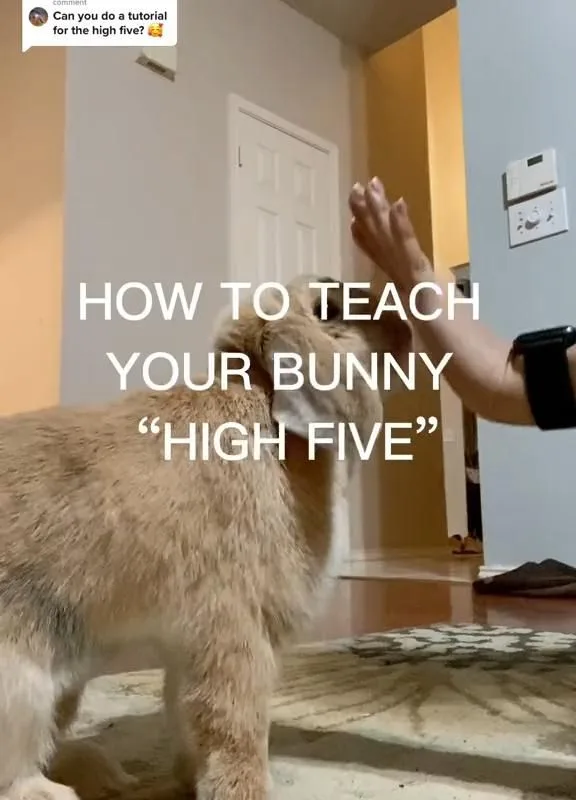
Yes, rabbits are absolutely trainable — and once you see a bunny hop into a litter box on cue or spin for a piece of parsley, you'll wonder why nobody told you sooner. This guide gives you the exact timing, treat sizes, and 5-minute session structure that actually work for prey animals with a 3-second attention span.
Advertisements1
- Rabbits learn on a 3-second window — the treat must land the instant the behavior happens, not seconds later.
- Cut rewards to rice-grain size so you can do 20 reps without overfeeding; pellets and fresh herbs beat sugary commercial treats.
- Train at dawn or dusk for double the focus, and cap sessions at five minutes.
- Litter training is positive reinforcement applied to a corner — put the box where the rabbit already eliminates and add hay.
- Train multiple rabbits separately or the confident one will steal every reward.
Why Rabbit Training Works (and Why It Fails)
Rabbits learn through positive reinforcement the same way dogs do, but the mechanics are different. A rabbit's working memory for a behavior is roughly three seconds, so the treat has to land the instant the behavior happens — not when you get around to reaching into the bag. If your rabbit spins and you reward five seconds later, you've just taught it that standing still earns parsley.
Prey-animal instinct is the other half of the story. Rabbits freeze or bolt when startled, so any training that involves looming over them, loud clapping, or picking them up mid-session will shut learning down fast. Get on the floor. Sit or lie down so your head is at or below bunny eye level, and let the rabbit approach you.
One more thing that trips people up: rabbits are crepuscular, meaning they're most active at dawn and dusk. A 7 a.m. session or a 7 p.m. session will get you twice the focus of a 2 p.m. one. My own Dutch rabbit, Pepper, learned 'spin' in four sessions at 7 p.m. and zero sessions at midday — she just flopped over and napped.
The Treat Economy: What to Use and How Much
Treat size is the single biggest mistake I see. A rabbit's stomach is small, and a whole carrot is a meal, not a reward. Cut rewards into pieces the size of a grain of rice — a single parsley leaf can become eight rewards. That keeps training calories negligible and keeps the rabbit hungry for the next repetition.
Best training treats, in order of usefulness: fresh herbs (parsley, cilantro, basil), a single small piece of freeze-dried banana, one pellet from their regular food, or a tiny sliver of apple. Pellets are underrated — they're nutritionally balanced, so you can do 20 reps without worrying about sugar. Reserve the high-value stuff like banana for new behaviors only.
Avoid yogurt drops and seed sticks sold as 'treats.' They're high in sugar and starch, and a rabbit that fills up on them will lose interest in training entirely. Keep a small dish of rice-sized herb pieces next to you and refill as needed — you'll go through maybe a tablespoon of chopped parsley per session.
Session Structure: Five Minutes, Three Reps, One Win
Cap sessions at five minutes, three to five times a day if you can. Rabbits learn fast in short bursts and get bored or frustrated in long ones. End every session on a successful repetition — even if that means lowering the bar. If your rabbit nailed 'come' twice and then wandered off, stop there and call it a win.
The clicker (or a marker word like 'yes') is what makes this work. A click is faster and more consistent than your voice, and it marks the exact instant of the behavior. Charge the clicker first: click, then treat, ten times in a row, for two or three sessions. You'll know it's charged when your rabbit's ears snap toward you at the sound.
Keep a training log — literally three lines in a notes app. 'Mon 7pm: came 4/5, spin 1/5.' You'll spot plateaus faster and avoid the classic trap of repeating a behavior your rabbit already knows instead of raising the criteria.
The Three Starter Behaviors: Come, Spin, and Target
Come is the foundation skill and the easiest to teach. Sit on the floor, say your rabbit's name plus 'come' in a bright, consistent tone, and hold a treat at your knee. Reward any movement toward you, even one hop. Within a week, most rabbits will cross a room for the cue — which is also a genuine safety skill if your bunny gets loose.
Spin is a crowd-pleaser and teaches the rabbit that following a hand movement pays. Hold a treat right at nose level and lure it in a slow circle around your rabbit's body, saying 'spin' once. Reward the instant the circle completes. Fade the lure within a week by making smaller and smaller hand circles until a small wrist flick gets the full turn.
Targeting — touching a nose to a stick or your palm — is the secret weapon. Once a rabbit targets, you can use it to guide them into a carrier, onto a scale, or off the couch. Present a chopstick or your flat palm, click when the nose touches, treat. Then move the target an inch away, then a foot, then onto a scale. This is how you get a rabbit to hop onto a vet scale voluntarily instead of being wrestled into a carrier.
Litter Training Is Training, Too
Litter training isn't a separate skill — it's the same positive-reinforcement loop applied to a corner. Rabbits naturally pick one or two corners of their space to eliminate in, so your job is to put the box where they already go, not where you'd prefer it. Watch for the first two days and place a low-sided box (one-inch lip, big enough for a full body turn) in that corner.
Put a handful of hay in the box — rabbits like to eat while they go, and hay in the box is the strongest single cue you can give. Drop a few stray poops into the box so it smells right. When you see your rabbit back into the box, don't say anything; just quietly place a pellet in the box after they finish. Never punish an accident. Rabbits don't connect punishment to the act, and scolding makes them hide their elimination, which is far harder to fix.
Expect two to four weeks for solid litter habits, longer for unneutered rabbits, who mark territory. If your rabbit is over four months old and still spraying, talk to your vet about neutering — it fixes the majority of marking behavior within a month.
Troubleshooting: When Your Rabbit Won't Play Along
If your rabbit ignores the treat entirely, the treat isn't valuable enough or the rabbit is too full. Try a training session right before a meal, and use a pellet or a fresh herb. If your rabbit takes the treat but won't perform, you've probably raised the criteria too fast — go back to the last step they could do reliably.
If your rabbit thumps or turns away, that's a clear 'I'm done' signal. Respect it and try again later. Forcing a session teaches the rabbit that training time is unpleasant, and you'll spend a week rebuilding trust.
And if you have multiple rabbits, train them separately. One rabbit will absolutely steal the other's rewards and the more confident one will do all the performing while the shy one learns nothing. Separate sessions, separate corners, five minutes each.
How to Do It, Step by Step
- 1Charge the clicker
Click, then immediately give a rice-sized treat. Repeat 10 times per session for 2–3 sessions until your rabbit's ears turn toward the click. This is the foundation for every behavior that follows. - 2Set up a 5-minute floor session
Sit on the floor at rabbit eye level at dawn or dusk with a small dish of chopped parsley. Short, low, and frequent beats long and looming every time. - 3Teach 'come' first
Say your rabbit's name plus 'come' in a bright tone and hold a treat at your knee. Reward any movement toward you, even a single hop. This doubles as a real safety cue. - 4Lure a spin
Move a treat in a slow circle right at nose level, say 'spin' once, and click the instant the circle completes. Fade the hand motion over about a week until a wrist flick is enough. - 5Build a nose target
Present a chopstick or flat palm, click when the nose touches, and treat. Then move the target an inch, then a foot, then onto a vet scale — this is how you get voluntary cooperation. - 6Place the litter box where the rabbit already goes
Watch for two days, then put a low-sided box in the chosen corner with a handful of hay inside and a few stray poops for scent. Never punish accidents; just quietly reward successes. - 7Log and adjust
Write three lines per session: date, behavior, success rate. Raise criteria only when your rabbit hits 4 out of 5 reps, and end every session on a win.
A rabbit isn't stubborn — it's a prey animal with a three-second memory for behavior, so your timing matters more than your patience.
Frequently Asked Questions
Can rabbits actually learn tricks like dogs?
Yes — rabbits learn come, spin, target, and even hoop jumps through clicker training. They learn fastest in 5-minute sessions at dawn or dusk with rice-sized treats.
How long does it take to litter train a rabbit?
Most rabbits develop solid litter habits in two to four weeks. Unneutered rabbits may keep marking, so neutering is the fix for persistent spraying.
What treats should I use for rabbit training?
Use rice-sized pieces of fresh parsley, cilantro, or single pellets from their regular food. Reserve banana or apple slivers for brand-new behaviors only.
Why does my rabbit ignore the treat during training?
The treat probably isn't valuable enough or your rabbit is too full. Train right before a meal and switch to a fresh herb or pellet.
Do rabbits need a clicker to learn?
No — a consistent marker word like 'yes' works too. A clicker is just faster and more consistent, which helps with a three-second learning window.

Elena focuses on healthy cooking and meal prep for people with limited time and budget. She shares flexible recipes and shortcuts that don’t sacrifice flavor.


