

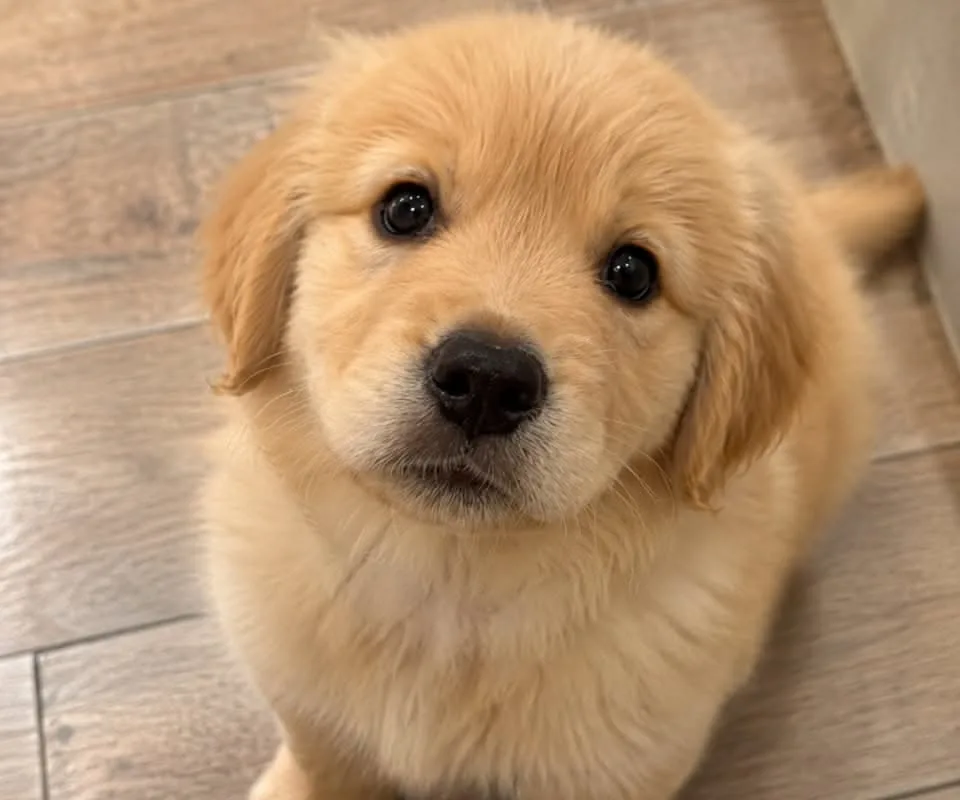
You've seen the look: ears perked, eyes wide, head tilted—as if your dog just knows there's a treat behind your phone. It's cute, but if your dog is anxious or overweight, that photo op isn't worth it. Here's how to get the shot while keeping your pet happy and healthy.
Advertisements1
- Keep photo sessions to 3 seconds per shot and 5 repetitions max to avoid stressing your dog.
- Use high-value treats but break them into pea-sized pieces to manage calorie intake—a single hot dog slice is 15 calories.
- Shoot in burst mode with natural light and focus on the eyes to capture that perfect head tilt.
- Never tease with a treat—always reward after the shot to maintain trust and engagement.
- Watch for stress signals like lip licking or turning away, and end the session if you see them.
Why dogs give that 'you're hiding snacks' look
That expression isn't just about food—it's your dog reading your body language and the environment. When you hold a treat near your phone, your dog's attention locks on because they've learned that your phone often precedes treats (if you've trained with it) or because they smell the snack. The head tilt? That's them trying to locate the source of a sound or scent more precisely.
But here's the thing: if you're just waving a treat around without a plan, you're likely to get a blurry, overexcited subject—or a dog that jumps at your phone. I've seen plenty of cracked screens from overeager pups. The key is to control the variables: lighting, timing, and your dog's training level.
The 3-second rule: keep sessions short and sweet
Dogs have a limited attention span for posing—usually about 3 seconds before they lose interest or get frustrated. So, don't expect a 10-minute photoshoot. Instead, work in micro-sessions: set up your shot, ask for a sit-stay, and snap the photo within 3 seconds. Then reward and release.
Why? Because repeating a cue without reward quickly becomes nagging. I learned this the hard way with my border collie, Max: after five rapid-fire 'sits' without treats, he started offering other behaviors (like spinning) to get the reward. Short sessions keep your dog engaged and make the 'snack-hiding' look more natural—they're genuinely anticipating the treat, not just tolerating you.
Use high-value treats sparingly (and account for calories)
That drool-worthy look comes from using something your dog really wants—freeze-dried liver, string cheese, or hot dog bits. But here's the math: a single hot dog slice is about 15 calories. For a 20-pound dog, that's 10% of their daily calorie needs. Do five takes, and you've just fed them half their daily calories in treats.
Solution: break treats into pea-sized pieces (about 1 calorie each) and use a portion of their regular kibble if they're food-motivated. Also, adjust their next meal accordingly. I keep a kitchen scale handy to weigh out treats so I don't overdo it. Your dog's waistline will thank you—and so will your vet.
Set up the shot: lighting, angles, and the 'hidden' treat
The illusion of 'hiding snacks behind the camera' works best when the treat is just out of frame but your dog's focus is on it. Position yourself near a window for natural light (avoid direct sun—it washes out fur details). Hold the treat at nose level, just above your phone, so your dog's eyes track upward. Then, use a squeaker or a kissy sound to get that head tilt.
Pro tip: use burst mode or a continuous shooting mode. The perfect expression lasts a fraction of a second. I shoot at 1/500th of a second to freeze motion, and I always tap to focus on the eyes. If your dog is dark-colored, increase exposure slightly—otherwise, they'll be a silhouette.
Avoid these common mistakes (they stress your dog)
Mistake #1: Teasing. Waving a treat and never giving it is a quick way to create frustration and erode trust. Always reward after the shot—even if it's just a piece of kibble. Mistake #2: Forcing a pose. If your dog looks away or yawns, they're stressed. End the session. Mistake #3: Using a flash. It can startle dogs and cause red-eye (or green-eye in pets). Stick to natural light or a continuous LED panel.
Also, watch for signs of stress: lip licking, whale eye (showing the whites), or turning away. If you see any, stop. The goal is a happy, engaged dog—not a anxious one. Remember, you're building a memory, not just a photo.
Edit for impact (without overdoing it)
Once you've got the shot, a little editing can make that expression pop. Use a photo editor like Lightroom Mobile or Snapseed to: 1) increase clarity slightly to sharpen fur details, 2) lift shadows if your dog has dark fur, and 3) add a subtle vignette to draw the eye to your dog's face. But don't go overboard—over-editing looks fake and can distort your dog's natural features.
I usually keep edits minimal: exposure, contrast, and a touch of warmth. And always shoot in RAW if your phone supports it—you'll have more flexibility to recover details. If you're posting to Pinterest, crop to a 2:3 aspect ratio for maximum real estate in feeds.
How to Do It, Step by Step
- 1Choose high-value, low-calorie treats
Use pea-sized pieces of freeze-dried liver or kibble to keep calorie intake under 10% of daily needs. Weigh them to be precise. - 2Set up near natural light
Position yourself facing a window, but avoid direct sunlight. Use a reflector (even a white poster board) to fill in shadows. - 3Use burst mode and focus on the eyes
Tap on your dog's eye to lock focus, then hold the shutter button to capture a burst. This ensures you catch the head tilt. - 4Keep sessions under 3 seconds per shot
Ask for a sit-stay, take the photo, and immediately reward. Repeat no more than 5 times per session to prevent frustration. - 5Watch for stress signals
If your dog licks their lips, turns away, or yawns, stop immediately. Stress signals mean it's time for a break. - 6Edit subtly to enhance fur and eyes
Increase clarity and lift shadows slightly. Avoid over-sharpening or heavy filters that look unnatural.
The best pet photos come from a happy, engaged dog—not from teasing or forcing a pose.
Frequently Asked Questions
How do I get my dog to tilt their head for photos?
Make a novel sound like a squeak or kissy noise, or hold a treat just above your phone. The head tilt is a natural response to trying to locate a sound or object.
Is it okay to use treats for photoshoots?
Yes, but use them wisely. Break treats into small pieces and account for the calories in your dog's daily intake. Always reward after the shot to avoid frustration.
Why does my dog look away when I try to take a photo?
Looking away can be a sign of stress or disinterest. If your dog avoids the camera, they might be uncomfortable. Try shorter sessions, higher-value treats, or a different time of day.
What's the best lighting for pet photography?
Natural light from a window is ideal—it's soft and flattering. Avoid direct sunlight and flash, which can startle your dog and create harsh shadows.

Liam covers technology and digital privacy, with a focus on helping everyday people protect their data online. He breaks down complex tech concepts into easy-to-understand advice and reviews privacy tools from a user’s perspective.


