

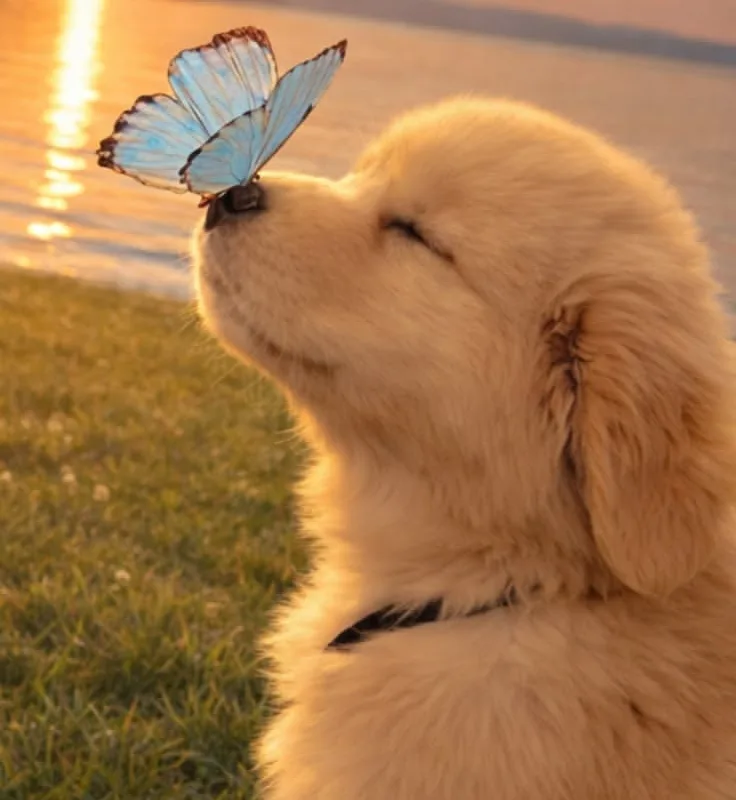
You've seen the adorable photos on Pinterest, but a perrito cute is more than a fluffy face. I've fostered over 40 small dogs, and I'll show you how to keep your tiny companion thriving—not just looking cute.
Advertisements1
- Small dogs have unique needs—don't treat them like mini big dogs.
- Portion control is crucial: weigh food to prevent obesity.
- Daily tooth brushing prevents expensive dental procedures.
- Ramps and stairs protect fragile joints.
- Socialization prevents fear-based aggression.
- Consistent training and exercise lead to a happy, well-behaved perrito.
Why Small Dogs Aren't Just Big Dogs in a Small Package
Treating a Chihuahua like a scaled-down Lab is a mistake. Small dogs have faster metabolisms, fragile bones, and different dental needs. I learned this the hard way when my 4-pound foster jumped off the couch and broke her leg. Their joints and bones are delicate, so you must adapt your home and habits.
Think of it like a sports car versus a truck: both get you places, but they require different handling. Small dogs need smaller portions, gentler play, and more frequent vet visits. Ignoring this leads to injuries and health issues that are entirely preventable.
Feeding Your Perrito Cute: Small Dog Nutrition Myths
Many owners overfeed because those puppy eyes are hard to resist. But a 5-pound dog needs only about 200-300 calories a day. I weigh my dogs' food with a kitchen scale to avoid guesswork. Look for high-quality food with meat as the first ingredient and avoid fillers like corn or soy.
Also, don't skip dental care. Small breeds are prone to dental disease, which can affect their heart. I brush my dogs' teeth daily with a pet-safe toothpaste. If you can't brush, use dental chews or water additives. Trust me, your wallet and your dog's health will thank you later.
Training a Small Dog: It's Not Optional
Small dogs get away with bad behavior because they're cute. But that cuteness fades when they're yapping at every passerby or snapping at kids. I train my fosters using positive reinforcement—treats and praise—and I start early. Crate training is a lifesaver; it gives them a safe space and helps with potty training.
Consistency is key. If you don't want your dog on the couch, don't let them up sometimes and scold them other times. It confuses them. Use the same commands and rules every day. You'll see results faster than you think.
Socialization: The Real Secret to a Happy Small Dog
Small dogs often become aggressive because they're scared. I take my dogs to puppy classes and expose them to different people, dogs, and sounds. Start early—between 3 and 14 weeks is critical. But even adult dogs can learn with patience.
I also teach them to be handled: touching their paws, ears, and mouth. This makes vet visits and grooming less stressful. A well-socialized perrito cute is a joy, not a terror.
Exercise and Play: Small Dog Energy Needs
Don't assume small dogs need less exercise. Many are energetic and need at least 30 minutes of activity daily. I take my dogs on three walks a day—morning, afternoon, and evening. In between, we play fetch or tug-of-war indoors.
But be careful with high-impact activities like jumping from heights. Use ramps or steps to protect their joints. I have a set of pet stairs for my bed and couch. It's a small investment that prevents big injuries.
Grooming and Hygiene: Keeping That Cute Look
Long-haired breeds need daily brushing to prevent mats. I use a slicker brush and a metal comb, and I brush gently to avoid pulling. Bathing should be every 3-4 weeks with a gentle dog shampoo. Over-bathing strips their natural oils.
Don't forget nail trims—long nails can cause pain and posture problems. I trim my dogs' nails every 2-3 weeks using a grinder, which is safer than clippers. And clean their ears weekly to prevent infections.
Health Care for Small Dogs: What to Watch For
Small dogs are prone to luxating patella, dental issues, and hypoglycemia. I keep an eye on my dogs' energy levels and appetite. If they seem off, I call the vet immediately. Regular checkups are non-negotiable—at least once a year, twice for seniors.
Also, be aware of choking hazards. Small dogs can choke on toys or treats that are too big. I choose toys that are appropriately sized and supervise playtime. And never give them cooked bones—they can splinter.
How to Do It, Step by Step
- 1Weigh their food
Use a kitchen scale to measure every meal. This prevents obesity and ensures proper nutrition. - 2Brush their teeth daily
Use a pet-safe toothpaste and a soft brush. This prevents dental disease and bad breath. - 3Use ramps for furniture
Install pet steps or ramps to protect their joints from jumping injuries. - 4Start training early
Enroll in a puppy class or start basic obedience at home. Consistency is key. - 5Socialize with different people and dogs
Expose your dog to new experiences during the critical socialization window (3-14 weeks). - 6Exercise at least 30 minutes daily
Break it into short walks and play sessions to meet their energy needs without overdoing it. - 7Trim nails every 2-3 weeks
Use a grinder for safety and to avoid cutting the quick. - 8Schedule annual vet checkups
Regular exams catch issues early. For seniors, go twice a year.
A perrito cute is a responsibility, not just a pretty face—care for them right, and they'll be your best friend for life.
Frequently Asked Questions
How often should I bathe my perrito cute?
Every 3-4 weeks is ideal. Over-bathing dries out their skin, so use a gentle dog shampoo and not more often.
What's the best food for a small dog?
Look for high-quality food with meat as the first ingredient and no fillers. I recommend brands like Royal Canin or Hill's Science Diet for small breeds.
How can I stop my small dog from barking excessively?
Barking is often due to boredom or fear. Provide plenty of exercise and mental stimulation. Train a 'quiet' command using treats to reward silence.
Are small dogs good with children?
Yes, but supervision is key. Teach kids to handle them gently and never leave them alone together. Small dogs can be fragile and may snap if scared.
Do small dogs need sweaters in winter?
Yes, especially short-haired breeds. They lose body heat quickly, so a sweater or coat can keep them warm during walks.

Lucas covers technology and digital privacy, explaining complex topics in plain language for non-techies. He focuses on how everyday people can protect their data without being paranoid.


