

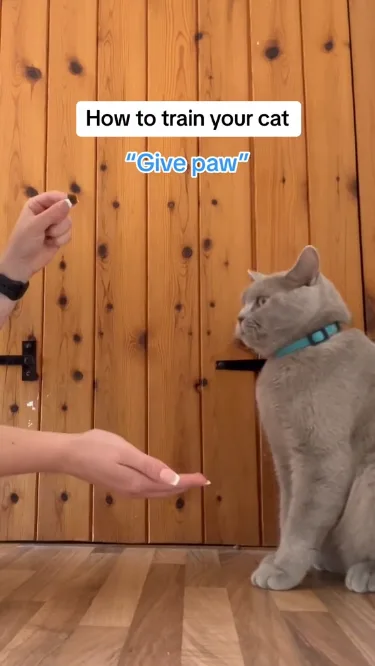
Yes, you can teach your cat to sit, come, and even high-five — you just need treats, timing, and a lot less barking. I've clicker-trained four cats with the same methods dog trainers use, and the trick is working with your cat's attention span instead of against it. Here's exactly how to start tonight.
Advertisements1
- Cats learn through the same reward-based conditioning as dogs — the difference is shorter attention spans and stronger food motivation.
- Charge your clicker for two days before asking for any behavior; this single step speeds up everything that follows.
- Keep sessions to 90 seconds and treats to pea-size, five times a day, for the fastest progress.
- Never punish a cat — it teaches fear, not behavior. Reward what you want and manage what you don't.
- Test recall weekly with a jackpot reward, and never call your cat for nail trims or medicine.
Why Cat Training Works (and Where It Breaks Down)
Cats learn through the same operant conditioning that dogs do: behavior that gets rewarded gets repeated. The difference is motivation. A Labrador will work for praise; most cats will look at you like you've lost your mind and walk away. Use high-value food — freeze-dried chicken, tiny slivers of tuna, or a lick of Churu — and your cat will suddenly become a very willing student.
The second difference is session length. Dogs tolerate 15-minute training blocks. Cats focus for about 2 to 3 minutes before their attention drifts to a dust mote. So instead of one long session, run five 90-second sessions a day. That's under 8 minutes total, and it's far more effective than a single marathon.
One concrete example: my tabby Miso learned "sit" in three days using 90-second sessions after her evening meal, when she was calm but still food-motivated. My neighbor tried one 20-minute session with her cat and gave up. Timing beats duration every time.
Start With a Clicker (or a Marker Word)
A clicker is a small plastic box that makes a sharp click sound. You click the instant your cat does the right thing, then immediately give a treat. The click marks the exact moment of success — much faster than your voice can say "good boy." If a clicker feels fussy, pick one word like "yes!" and use it every single time, in the same tone.
Before you ask for any behavior, spend two days "charging" the marker. Click, treat. Click, treat. Ten reps, twice a day. By day three, your cat will perk up at the click because it reliably predicts food. This is called loading the marker, and skipping it is the number-one reason cat training stalls.
A practical detail: keep treats pea-sized. A whole treat fills a cat up fast and kills motivation. I cut freeze-dried chicken into pieces smaller than a grain of rice — a single breast lasts a whole week of training.
Teach "Sit" First — It's the Gateway Behavior
Sit is the easiest behavior to capture because cats do it constantly. Hold a treat just above your cat's nose and slowly move it back over their head. Most cats will lower their rear to keep their eyes on the treat. The second the butt hits the floor, click and treat. Repeat five times, then stop for the day.
Don't push your cat's rear down. That's a common dog-training habit that cats hate — it feels like restraint and they'll squirm away. Luring is gentler and faster. Within a week, most cats will sit on a hand signal alone, no treat visible.
Once sit is solid, you can chain it. My cat Pixel now sits automatically when I stand by the treat jar, which is a happy accident but a great party trick. The rule: reward the behavior you want, and it will show up more often.
Build a Recall That Actually Works
A reliable "come" is the most useful thing you can teach a cat — especially if they slip out a door. Start in a small room with no distractions. Say your cat's name plus "come!" in a cheerful, high-pitched voice, then click and treat when they arrive. Do this five times, three times a day, for a week.
Then add distance: one step back, then two, then across the room. Always pay with food, even if your cat takes their time. Never call your cat to do something unpleasant — nail trims, medicine, a bath. If you do, they'll learn that "come" predicts bad news and stop responding. That's called poisoned recall, and it's hard to fix.
A real example: I test recall once a week by calling Pixel from another room while she's napping. If she shows up, she gets a jackpot of three treats. If she doesn't, I don't punish her — I just note that we need more practice.
Use Shaping for Trick Behaviors
Shaping means rewarding small steps toward a bigger behavior. Say you want a high-five. First, reward your cat for touching your hand with a paw. Then only reward when the paw lifts. Then only when it touches your palm at chest height. Each tiny win gets a click and treat.
This is where cats shine. They're naturally paw-focused and curious, so shaping a high-five usually takes 4 to 6 short sessions. The same approach teaches a spin, a target touch on a chopstick, or jumping onto a stool.
Keep sessions short and end on a win. If your cat walks away mid-session, that's not failure — it's feedback that the step was too hard or the treats weren't exciting enough. Break the behavior down smaller next time.
Fix the Three Mistakes That Stall Most Cat Training
Mistake one: training when your cat is full. A fed cat has no reason to work. Train before meals, not after. Mistake two: repeating a cue five times in a row. If your cat doesn't respond on the first ask, they either didn't hear it or don't understand it — repeating just teaches them to ignore you. Reset and make it easier.
Mistake three: punishment. Spray bottles, yelling, and tapping a nose don't teach a cat what to do — they teach fear and hiding. Cats don't connect punishment to past behavior the way dogs sometimes do. Reward-based training is the only method with solid results in cats.
You'll also want to manage the environment. If you're training "stay off the counter," don't just reward the floor — remove the temptation by putting food away. Training plus management is what actually changes behavior.
Make It a Daily Habit in Under 10 Minutes
The secret to training a cat like a dog isn't longer sessions — it's consistency. Pick two anchor times a day, like after your morning coffee and before dinner. Do three 90-second reps of one behavior. That's nine minutes a day, and it's enough to teach a new behavior every two weeks.
Track it. I keep a tiny notebook with the date, the behavior, and a check or an X. Seeing five checks in a row is weirdly motivating, and it tells you when to raise the difficulty. When your cat nails a behavior three sessions in a row, add distance, duration, or a distraction.
And celebrate the small stuff. A cat that sits on cue is not a lesser achievement than a dog that sits on cue — it's arguably harder-won. Every tiny win counts.
How to Do It, Step by Step
- 1Charge your clicker for two days
Click, then treat, ten times twice a day with no behavior asked. This teaches your cat that the click means food is coming, which makes everything after it faster. - 2Pick high-value treats and cut them tiny
Use freeze-dried chicken, tuna, or a lickable treat cut to pea-size or smaller. Small treats keep your cat hungry and engaged through a whole session. - 3Run 90-second sessions, five times a day
Cats lose focus after 2–3 minutes. Short, frequent sessions beat one long one every time. - 4Lure a sit with a treat over the nose
Move the treat slowly back over your cat's head so they lower their rear. Click and treat the instant the butt touches the floor. Never push them down. - 5Add a verbal cue only after the behavior is reliable
Say "sit" once, right before the behavior happens, then reward. Adding the word too early just teaches your cat to ignore it. - 6Practice recall in a small room, then build distance
Say your cat's name plus "come!" in a happy voice, click and treat on arrival. Always pay, and never call your cat for something unpleasant. - 7End every session on a win
Stop while your cat is still succeeding and still interested. That keeps them eager for the next round.
Cats aren't harder to train than dogs — they're just less polite about telling you when you've lost their attention.
Frequently Asked Questions
Can you really train a cat like a dog?
Yes. Cats respond to clicker training and reward-based methods just as dogs do, but sessions must be shorter and treats more exciting. Most cats can learn sit, come, and a simple trick within two to three weeks of daily practice.
What is the easiest trick to teach a cat first?
Sit is the easiest first behavior because cats do it naturally and you can lure it with a treat over the nose. Once sit is solid, high-five and spin are the next easiest tricks.
How long does it take to train a cat?
A single behavior usually takes 3 to 7 days of short daily sessions, and a reliable recall can take 3 to 4 weeks. Consistency matters more than session length.
Do cats respond to clicker training?
Yes, cats are excellent clicker-training subjects because the click marks the exact moment of success faster than your voice can. Charge the clicker for two days with click-treat pairs before asking for behavior.
Why does my cat ignore me during training?
Usually the treats aren't exciting enough, the session is too long, or the step is too hard. Train before meals with high-value food, keep sessions under 90 seconds, and break the behavior into smaller pieces.

Maya writes about sustainable living and zero-waste swaps for busy families. She focuses on small, actionable changes that fit into real life without judgment or guilt.


