

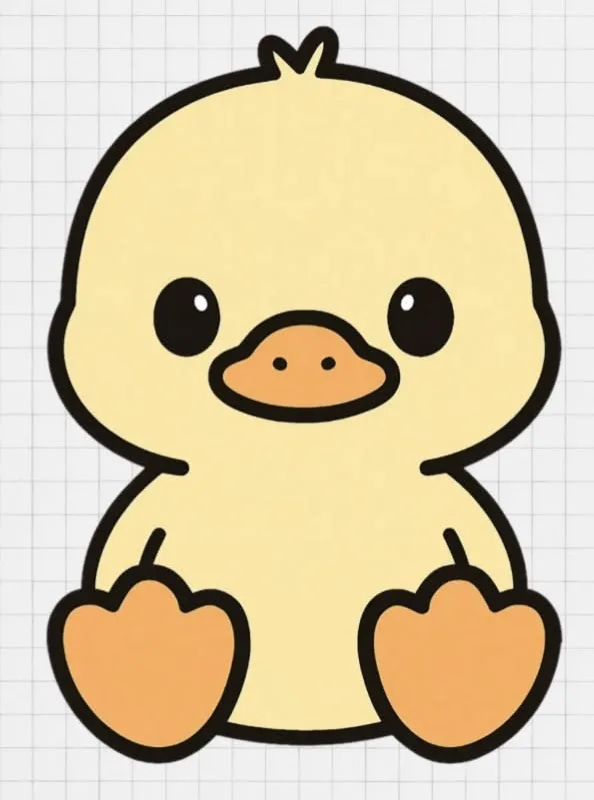
Have you ever watched a duckling paddle furiously after its mother, only to face-plant into a lily pad? That blend of determination and clumsiness is pure magic. In this guide, I'll share playful prompts, practical techniques, and expert tips to help you capture that charm in your art and photos—no prior experience needed.
Advertisements1
- Ducks are accessible muses—found in local ponds—making them perfect for daily creative practice.
- Use the three-circle method for cute proportions: head, body, and tail as overlapping circles.
- Photograph during golden hour with a telephoto lens and get low for intimate angles.
- Avoid common mistakes like long beaks, missing webbed feet, and pure black shadows.
- Playful prompts like 'Duck in a Teacup' spark imagination and keep the process fun.
- Ethical interaction: never feed bread, keep distance, and respect nesting seasons.
Why Ducks Are the Ultimate Muse for Creative Play
Ducks are everywhere—from city parks to rural ponds—yet they never fail to delight. Their round bodies, expressive eyes, and waddling gait offer endless inspiration. I've spent countless hours sketching mallards at my local lake, and each session teaches me something new about form and movement. The key is to observe without judgment, letting their natural antics guide your hand.
Unlike exotic animals, ducks are accessible. You don't need a safari; a simple walk to a nearby pond will do. This accessibility makes them perfect for daily creative practice. Whether you're a photographer, illustrator, or writer, ducks provide a low-pressure subject to hone your skills. Plus, their predictability (they'll always waddle, quack, and splash) lets you focus on capturing personality rather than chasing a fleeting moment.
Remember, the goal isn't perfection—it's connection. When you draw a duck, you're not just replicating feathers; you're translating joy onto paper. So grab a pencil, embrace the mess, and let the ducks lead.
Drawing Ducks: From Simple Shapes to Expressive Characters
Start with three overlapping circles: one for the head, one for the body, and one for the tail. This foundation keeps proportions cute—ducks are essentially feathered spheres with legs. Next, add a small triangle for the beak and two dots for eyes. Already, you have a charming duckling. The magic happens when you tweak the angles: tilt the head for curiosity, round the body for plumpness, and exaggerate the feet for comic effect.
For a more realistic approach, study the mallard's distinct features: the iridescent green head, the white neck ring, and the curled tail feathers. Use a 2B pencil for soft shading and a 6B for deep shadows under the wings. I recommend starting with a light sketch, then layering details. Don't rush—ducks reward patience. A single feather can take minutes, but the result is worth it.
Experiment with styles: a minimalist line drawing captures elegance, while a cartoon version with oversized eyes and a tiny beak screams cuteness. Try both and see which resonates. My students often find that their first attempt looks like a potato, but by the third, they're creating ducks with distinct personalities. That's the power of iterative practice.
Photographing Ducks: Settings, Angles, and Ethical Tips
To capture ducks in their best light, shoot during the golden hour—the first hour after sunrise or before sunset. The soft, warm light enhances feather details and creates a gentle bokeh. Use a telephoto lens (200mm or more) to maintain distance and avoid disturbing them. Set your aperture to f/5.6 for a shallow depth of field, isolating your subject from the busy background. A shutter speed of 1/500s freezes splashes, while 1/125s blurs motion for a dreamy effect.
Get low. Lying on your stomach puts you at eye level with ducklings, making the photo intimate and engaging. Focus on the eyes—they should be sharp. If you're using a smartphone, tap to focus and use burst mode to catch rapid movements. Avoid flash, which can startle ducks and create harsh shadows. Instead, rely on natural light and a steady hand (or a monopod).
Ethics matter. Never feed ducks bread—it's nutritionally empty and can cause health issues. Opt for oats, peas, or birdseed in small amounts. Keep a respectful distance, especially during nesting season. If a duck hisses or flaps, back off. The best photos come from patience, not pursuit. I've spent hours waiting for a single shot of a duckling stretching its tiny wings; the reward is a image that feels alive.
Playful Prompts to Spark Your Duck Creativity
1. **The Detective Duck**: Draw a duck in a tiny trench coat, holding a magnifying glass, investigating a mysterious puddle. What clues does it find?
2. **Duck in a Teacup**: Imagine a duckling nestled in a giant teacup, with steam curling around it. Use soft pastels to create a cozy, whimsical scene.
3. **The Fashionable Mallard**: Design a duck wearing a top hat and monocle, strutting down a runway. Exaggerate the waddle for comedic effect.
4. **Duck Family Portrait**: Sketch a mother duck and her ducklings in a row, each with a distinct expression—one sleepy, one mischievous, one daydreaming.
5. **Underwater Adventure**: Draw a duck diving underwater, with bubbles and fish around it. Use cool blues and greens to convey depth.
These prompts are just starting points. Let your imagination waddle wherever it wants. The goal is to play, not to produce a masterpiece. Messy first drafts are welcome—they're the soil where ideas grow.
Common Mistakes to Avoid When Drawing or Photographing Ducks
Mistake #1: Making the beak too long. Duck beaks are short and rounded—think of a spoon, not a sword. Mistake #2: Forgetting the webbed feet. Even in a cartoon, those triangular feet add authenticity. Mistake #3: Overlooking the tail. A duck's tail is a small, upturned curl, not a fluffy plume. Mistake #4: Using pure black for shadows. Ducks have warm undertones; use dark browns or purples instead. Mistake #5: Photographing from above. This angle makes ducks look flat and distant. Get low for a more engaging perspective.
Another pitfall is rushing. Ducks are quick, but your observation shouldn't be. Take a moment to notice how the light catches a feather or how a duckling's down ruffles in the breeze. These details elevate your work from generic to genuine.
Finally, don't compare your art to others. Your duck is unique because you made it. Embrace the quirks—they're what make it cute.
Beyond the Pond: Incorporating Ducks into Stories and Decor
Ducks aren't just for drawing; they're characters waiting to be written. In children's stories, a duck can be the brave hero who saves the pond from a grumpy turtle. In poetry, a duck's ripple can symbolize fleeting moments. I once wrote a micro-story about a duck who collected lost buttons—it became a favorite among my writing group. The key is to give your duck a personality: curious, clumsy, wise, or mischievous.
For home decor, consider duck-themed items: a ceramic duckling on a bookshelf, a framed print of a mallard in flight, or a cozy blanket with duck patterns. These touches bring a smile and remind you of nature's simplicity. If you're crafty, try making a felt duck ornament or a watercolor card. The process is meditative and the result is heartwarming.
Ducks connect us to childhood wonder. Whether you're creating for yourself or others, let that joy shine through.
How to Do It, Step by Step
- 1Start with a warm-up sketch
Spend 5 minutes drawing loose circles and curves without lifting your pencil. This loosens your hand and quiets your inner critic, making it easier to capture a duck's fluid shape later. - 2Observe real ducks for 10 minutes
Visit a local pond or watch a live duck cam. Note how they move, where they hold their head, and how light hits their feathers. This firsthand observation adds authenticity to your work. - 3Use the three-circle method
Draw three overlapping circles for head, body, and tail. This simple framework ensures cute proportions and gives you a solid base to add details like beak and feet. - 4Photograph at eye level
Lie on your stomach or use a low tripod to shoot ducks at their level. This perspective creates intimacy and makes the viewer feel part of the scene. - 5Incorporate playful prompts
Pick one of the five prompts (e.g., Detective Duck) and create a quick sketch or story. The constraint sparks creativity and prevents blank-page paralysis. - 6Embrace messy first drafts
Allow yourself to make mistakes. Your first duck may look like a blob, but that's part of the process. Iterate without judgment, and you'll improve faster. - 7Share your work for feedback
Post your duck art or photo in a supportive online community. Constructive comments help you see your work through fresh eyes and build confidence.
The secret to capturing a duck's charm isn't technical perfection—it's the willingness to waddle alongside them in playful curiosity.
Frequently Asked Questions
What are the easiest ducks to draw for beginners?
Mallards and Pekin ducks are easiest due to their simple, round shapes and familiar features. Start with a side profile to avoid complex angles, then add details like the beak and eye.
How can I attract ducks to my yard for photography?
Create a small pond or birdbath with fresh water and provide oats or birdseed in a shallow dish. Avoid bread and keep the area clean to prevent disease. Ducks will visit if they feel safe.
What camera settings should I use for duck photography?
Use a telephoto lens (200mm+), aperture f/5.6 for shallow depth of field, shutter speed 1/500s for action, and ISO 400-800 in shade. Shoot in aperture priority for ease.
Are ducks good subjects for children's art projects?
Yes! Ducks are simple to draw and instantly recognizable. Use prompts like 'duck in a hat' to engage kids. Provide crayons or watercolors and encourage storytelling alongside art.
How do I make my duck drawings look cuter?
Exaggerate features: larger eyes, rounder body, smaller beak, and oversized feet. Add a tiny blush or a playful expression. Keep lines soft and avoid harsh angles.

Priya explores creative writing prompts and storytelling techniques for aspiring authors. She shares exercises to spark imagination and build narrative confidence, drawn from her own writing practice.


