

Looking for a creative outlet that’s cheap, calming, and endlessly versatile? Paper crafting is it. In this guide, I’ll share my favorite paper craft ideas, from simple cards to intricate 3D sculptures, with step-by-step tips to help you succeed.
Advertisements1
- Start with simple projects like cards or flowers to build skills without frustration.
- Invest in a few quality tools: a bone folder, a craft knife, and a cutting mat.
- Practice scoring and folding for crisp, professional results.
- Paper crafts are budget-friendly—most supplies cost under $20 total.
- Imperfections are charming; don’t aim for perfection.
- Use paper crafts for gifts and decor to add a personal touch.
Why Paper Crafting Is the Perfect Hobby
Paper crafting is one of the most accessible hobbies. You probably have paper, scissors, and glue at home right now. It’s also forgiving—mistakes are easy to fix, and you can start with almost nothing. Over the years, I’ve made everything from birthday cards to decorative wall art, and each project taught me something new. The best part? You don’t need expensive tools to create something beautiful. A few basic supplies can take you far.
Essential Supplies You Actually Need
You don’t need a craft room full of gadgets. Start with: cardstock (60-110 lb), a good pair of scissors, a craft knife with a cutting mat, acid-free glue, and a bone folder for crisp folds. A paper trimmer is a game-changer for straight cuts, and a scoring board helps with precise folds—but you can use a ruler and a dull pen to score. I’ve made hundreds of projects with just these basics. Add a few decorative papers and washi tape, and you’re set.
Easy Paper Craft Ideas for Beginners
If you’re new, start with projects that build confidence. Try making simple greeting cards with layered paper shapes. Or create paper flowers—they look complex but are just circles and petals. Another favorite is a paper garland: cut strips, fold them, and string them together. These projects take under 30 minutes and look impressive. I remember my first paper flower bouquet—it was wonky, but my mom loved it. That’s the beauty of paper craft: imperfection still charms.
Intermediate Projects: Paper Quilling and Origami
Once you’re comfortable, try paper quilling. It involves rolling thin strips of paper and shaping them into coils. You can make intricate patterns for cards or framed art. A basic quilling tool costs under $10. Origami is another step up—pure folding, no cutting or glue. Start with a crane or a modular cube. The key is to use thin, square paper (like kami) and follow diagrams carefully. I’ve found that watching a video helps more than static images. Practice each fold slowly; patience pays off.
Advanced Techniques: Papercutting and 3D Sculptures
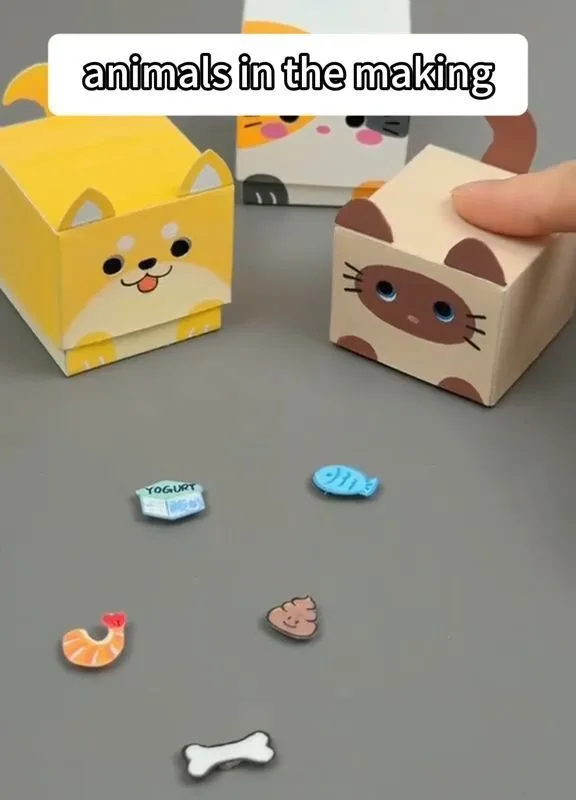
For a challenge, try papercutting. Use a craft knife to cut intricate designs from a single sheet. Lightweight paper (like 65 lb) works best. You can create stunning silhouettes or layered shadow boxes. Another advanced technique is 3D paper sculpture—think geometric shapes or animals. These require planning and precise folding, but the result is a showstopper. I spent a weekend on a paper fox sculpture; it was frustrating at times, but the pride I felt was worth it.
Paper Craft Ideas for Home Decor
Paper crafts can transform your space. Make a paper leaf garland for a party, or a geometric paper mobile for a nursery. You can also frame paper flowers or quilled monograms. For a seasonal touch, create paper pumpkins for fall or snowflakes for winter. One of my favorite projects is a paper globe lantern—it’s simple to make with a paper lantern kit and adds a warm glow to any room. These decor pieces are lightweight, easy to store, and customizable to any color scheme.
Paper Craft Ideas for Gifts and Cards
Handmade cards and gift boxes add a personal touch. For a card, use a pop-up technique: cut a small slit in the base, fold a shape, and attach it. Or try a shaker card with a clear plastic pocket and sequins. For gifts, make a simple origami box or a paper gift bag. I always include a handwritten note—it makes the gift feel extra special. These projects are quick, so you can make several in one sitting.
How to Do It, Step by Step
- 1Choose a simple project first
Pick something like a paper flower or a card. You’ll build skills and confidence without feeling overwhelmed. - 2Gather your supplies
Get cardstock, scissors, glue, and a bone folder. Having everything ready prevents mid-project frustration. - 3Prepare your workspace
Use a self-healing cutting mat to protect your table and your knife blade. Good lighting is a must. - 4Practice scoring and folding
Score along fold lines with a bone folder or a dull pen. This gives you crisp, clean folds—essential for professional-looking results. - 5Cut precisely
Use a craft knife and metal ruler for straight lines. For curves, scissors are easier. Always cut away from your body. - 6Assemble with care
Apply glue sparingly—a little goes a long way. Use a toothpick to spread it. Let each layer dry before adding the next. - 7Add personal touches
Decorate with washi tape, stamps, or a handwritten note. These details make your craft uniquely yours. - 8Learn from mistakes
If something goes wrong, don’t start over. See if you can adapt. Often, a 'mistake' becomes a creative feature.
Paper crafting is the art of turning a flat sheet into a world of possibility—one fold at a time.
Frequently Asked Questions
What kind of paper is best for paper crafting?
Cardstock (60-110 lb) is the most versatile for most projects. For origami, use thin kami paper; for quilling, use 80 lb strips.
How do I make my paper crafts look professional?
Use a bone folder to score folds, cut with a sharp blade on a mat, and apply glue sparingly. Practice makes a big difference.
Can I make money with paper crafts?
Yes, many people sell handmade cards, quilled art, and decor on Etsy. Start with items that are quick to make and price fairly.
What is the easiest paper craft for a child?
Paper chains or simple paper flowers are great. They require basic cutting and gluing, and kids can be creative with colors.
How do I store paper supplies without clutter?
Use clear bins and label them. Keep paper flat in a folder or magazine file, and store small tools in a pencil case.

Maya writes about sustainable living and zero-waste practices, focusing on small, actionable changes for everyday routines. She draws from her own experiments in urban gardening and DIY household swaps.


