

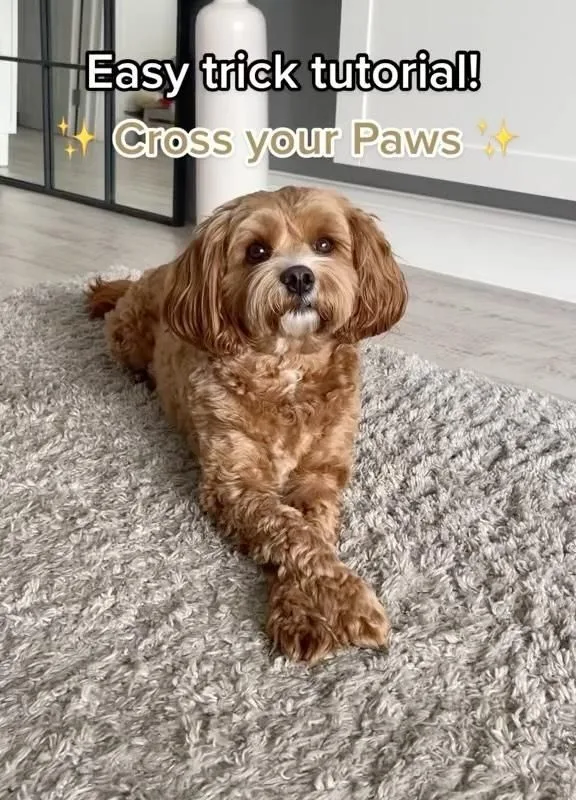
Teaching your dog tricks isn't just for show—it strengthens your bond, provides mental stimulation, and can even improve obedience. Whether you're starting with 'sit' or aiming for 'roll over,' these easy, science-backed steps will help you succeed quickly and without frustration.
Advertisements1
- Use positive reinforcement only—never punish mistakes.
- Keep sessions short: 5 minutes, three times a day.
- Mark behavior instantly with 'yes!' or a clicker.
- Break tricks into small, manageable steps.
- Fade treats gradually to make the behavior reliable without food.
- End every session on a success to keep your dog motivated.
Why Trick Training Matters More Than You Think
Most owners focus on basic obedience—sit, stay, come—but trick training offers unique benefits. It engages your dog's brain, which is mentally tiring and can reduce problem behaviors like chewing or barking. A 2019 study in the journal Animals found that dogs who participated in trick training showed improved problem-solving abilities and a stronger bond with their owners. Plus, tricks are just plain fun, and they build a positive association with learning.
The 3 Golden Rules of Trick Training
Before you start, internalize these rules: First, use positive reinforcement only—reward desired behaviors with treats, praise, or play. Never punish mistakes, as it can create fear and setbacks. Second, keep sessions short: 5 minutes, three times a day is more effective than a 30-minute marathon. Dogs learn best in brief, focused bursts. Third, end on a success. If your dog is struggling, go back to a known trick, have them succeed, and then stop. This leaves both of you feeling good and eager for the next session.
Essential Tools: Treats, Clickers, and Timing
You don't need fancy gadgets, but the right tools make training easier. Use small, soft treats that you can deliver quickly—think pea-sized pieces of chicken or cheese. A clicker can mark the exact moment your dog does the right thing, but you can also use a consistent word like 'yes!' The key is timing: reward within one second of the behavior. If you're late, the dog may associate the reward with something else. I recommend a treat pouch for quick access, but a pocket works too.
Common Mistakes That Slow Progress
One of the biggest mistakes is moving too fast. If you say 'sit' and your dog doesn't respond, you're asking before they've learned the cue. Instead, lure the behavior first, then add the word once they're doing it reliably. Another mistake is inconsistent rewards—if you sometimes give a treat and sometimes don't, the dog gets confused. Finally, don't train when you're tired or frustrated. Dogs sense your mood, and a stressed trainer equals a stressed dog.
How to Fade Treats and Solidify the Behavior
Once your dog performs the trick reliably with a treat every time, start fading the treats gradually. Instead of giving a treat every time, give one every other time, then every third time, and so on. Replace food rewards with life rewards like a game of tug or a walk. This keeps the behavior strong even without treats. Always use high-value treats for new tricks, and lower-value treats for known ones.
Troubleshooting: When Your Dog Just Doesn't Get It
If your dog isn't catching on, break the trick into smaller steps. For 'roll over,' first reward for lying down, then for rolling onto their side, then for a full roll. If they're losing interest, check your treat quality—maybe they're not hungry enough. Also, consider the environment: a quiet room with no distractions is best for learning. If you're still stuck, try a different method. Some dogs respond better to shaping (rewarding small approximations) than luring.
Taking It to the Next Level: Advanced Tricks
Once your dog masters the basics, you can teach more complex tricks like 'play dead,' 'spin,' or even 'fetch a specific toy.' These require more steps and more patience, but the same principles apply: break it down, reward small successes, and practice consistently. Advanced tricks are excellent for mental stimulation and can even be used in dog sports like rally or freestyle.
How to Do It, Step by Step
- 1Choose a quiet time and place
Pick a low-distraction area like your living room when your dog is calm. Have a handful of small, high-value treats ready. - 2Lure the behavior
Hold a treat close to your dog's nose and slowly move it to guide them into the position. For 'sit,' move the treat upward and back over their head. This naturally causes them to sit. - 3Mark and reward instantly
The moment your dog performs the behavior, say 'yes!' or click, and immediately give the treat. This timing is crucial for your dog to connect the action with the reward. - 4Add a verbal cue
Once your dog is consistently following the lure, introduce the word (e.g., 'sit') just before the movement. Repeat several times so they associate the word with the action. - 5Practice with the cue only
Start giving the verbal cue without the lure. If your dog responds, reward with a treat and praise. If not, go back to the lure for a few more repetitions. - 6Increase difficulty gradually
Practice the trick in different locations and with distractions. This helps your dog generalize the behavior. Always reward success, and keep sessions short. - 7Phase out treats
As your dog masters the trick, start rewarding only occasionally. Use praise and play as rewards. This ensures your dog listens even without a treat in hand.
Trick training is not about the trick—it's about building a language of trust between you and your dog.
Frequently Asked Questions
What is the easiest trick to teach a dog?
The easiest trick to teach is 'sit' because it's a natural behavior and easy to lure. Hold a treat above your dog's nose and move it back over their head; they will sit to follow it, and you reward immediately.
How long does it take to teach a dog a trick?
It depends on the trick and the dog, but with short, daily sessions (5 minutes, 3 times a day), most dogs learn a simple trick like 'sit' in 3-5 days. More complex tricks like 'roll over' may take 1-2 weeks.
Can I teach an old dog new tricks?
Absolutely. Older dogs can learn new tricks, but they may need more time and patience. Keep sessions short, use high-value treats, and be consistent. The key is to make it fun, not stressful.
What if my dog is not food motivated?
If your dog isn't food motivated, find what they love—a favorite toy, playtime, or praise. Use that as a reward. For example, you can use a game of tug as a reward for a successful 'sit'.
Should I use a clicker for trick training?
A clicker is a great tool because it marks the exact moment of success, but it's not necessary. You can use a consistent word like 'yes!' as long as you say it at the right time. The key is consistent timing.

Kenji covers tech productivity and digital minimalism for remote workers. He writes about streamlining workflows and cutting digital clutter with a focus on mental clarity, not just efficiency.


