

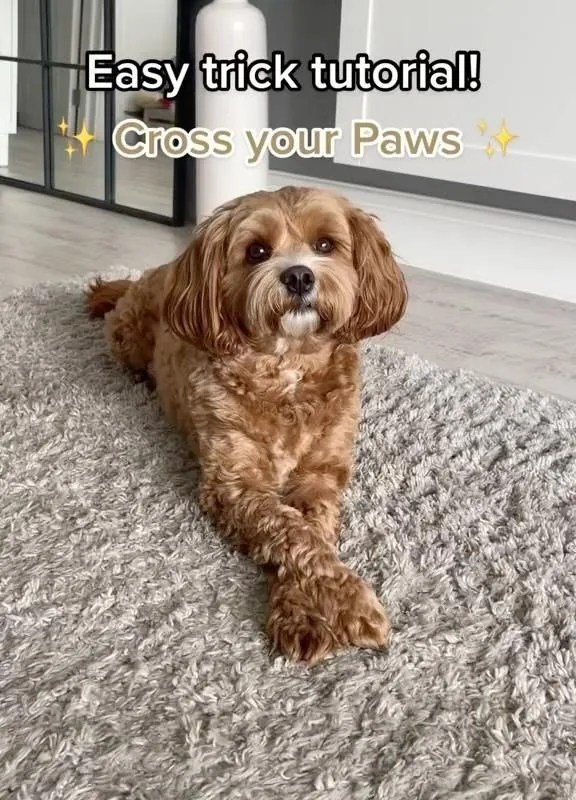
Ever watched a dog spin, bow, or roll over and thought, 'My dog could never do that'? Think again. With the right approach, any dog can learn tricks—and it's a fantastic way to bond and burn mental energy. I'm Kwame Osei, and I've helped hundreds of owners teach their pups, from clumsy Labradors to stubborn Shiba Inus. Let's dive into the steps that actually work.
Advertisements1
- Use high-value treats and mark the exact moment your dog succeeds—timing is critical.
- Break tricks into tiny steps (shaping) and reward each approximation.
- Keep sessions under 10 minutes and always end on a positive note.
- Fade the lure gradually and add a verbal cue once the behavior is reliable.
- Practice in different environments to proof the trick against distractions.
Why Trick Training Is More Than Just Party Tricks
Trick training isn't just about showing off—it's a workout for your dog's brain. A 15-minute session can tire them out as much as a 30-minute walk, because mental stimulation drains energy fast. It also builds communication: you learn to read their body language, and they learn to watch your cues. Plus, it's a confidence booster. Shy dogs blossom when they master a simple trick like 'touch.' And let's be honest, a dog who can fetch your slippers is just plain fun.
The 3 Pillars of Trick Training: Timing, Treats, and Patience
Timing is everything. You have about 1-2 seconds to mark a behavior with a clicker or a verbal 'yes' before your dog forgets what they did. Treats? They're not bribes—they're payment for a job well done. Use tiny, high-value treats like freeze-dried liver; you'll go through a lot, and you don't want a pudgy pup. Patience means keeping sessions short (5 minutes max for beginners) and ending on a high note. If you're frustrated, your dog knows. Take a break, grab a coffee, and try again later.
The Magic of Shaping: How to Build Behaviors Step by Step
Shaping is like teaching someone to dance by rewarding each small move: first a step, then a spin, then a dip. For dogs, you break a trick into tiny pieces and reward each approximation. Want to teach 'roll over'? Start by rewarding a head turn, then a lie-down, then a hip shift, and so on. It's slow, but it builds a rock-solid understanding. The opposite is luring—using a treat to guide your dog into position. Luring is faster for simple tricks, but shaping creates more thinking dogs. Mix both as needed.
The Top 5 Beginner Tricks and How to Teach Them
1. **Sit**: Lure from nose to forehead. 2. **Shake**: Hold a treat in your closed fist; when they paw at it, say 'shake' and reward. 3. **Spin**: Lure in a circle around your body. 4. **Bow**: Lure from standing to a stretch. 5. **Roll over**: Lure from a lie-down to one side, then the other. Each trick should take 5-10 repetitions per session, a few sessions a day. Keep it light and playful—if your dog loses interest, you're going too fast.
Common Mistakes Even Experienced Owners Make
Mistake #1: Repeating a cue. If you say 'sit, sit, sit,' your dog learns that the first two don't matter. Say it once, then wait. Mistake #2: Training when you're distracted. Your dog mirrors your energy; if you're half-watching TV, they'll half-learn. Mistake #3: Skipping the reward. Even after a trick is learned, reward occasionally to keep it strong. Mistake #4: Getting angry. Dogs don't disobey out of spite; they're confused. Stay calm and break it down further.
How to Troubleshoot When Your Dog Just Doesn't Get It
If your dog isn't picking up a trick, ask: Is the step too big? Break it down more. Are the treats exciting enough? Try boiled chicken. Is the environment too busy? Move to a quiet room. Are you training too long? Shorten sessions. Sometimes, a trick is physically uncomfortable—like 'sit pretty' for a dog with hip issues. Know when to pivot. And remember, every dog learns at their own pace. My terrier Mixie took three weeks to learn 'roll over,' while my foster greyhound got it in two days. Patience wins.
How to Do It, Step by Step
- 1Gather Your Gear
You'll need: high-value treats (tiny pieces), a clicker or a marker word like 'yes,' and a quiet space. Why? Because distractions kill learning, and the right treats keep motivation high. - 2Start with a Simple Trick
Pick one easy trick like 'sit' or 'shake.' Lure your dog into position with a treat, mark the moment they do it, and reward. Repeat 5 times, then take a break. Short sessions prevent burnout. - 3Use a Marker Word
Say 'yes' or click the instant your dog performs the behavior. This bridges the gap between action and reward, so they know exactly what earned the treat. - 4Add a Verbal Cue
Once your dog does the behavior reliably with a lure, say the cue word (e.g., 'spin') just before they do it. After 10-20 repetitions, they'll associate the word with the action. - 5Fade the Lure
Start using a smaller lure or just a hand signal. Eventually, you can phase out the treat lure entirely—but still reward randomly to maintain the behavior. - 6Practice in Different Places
Dogs don't generalize well. Practice in the living room, then the backyard, then the park. This proofing step makes the trick reliable anywhere. - 7Keep Sessions Short and Fun
Limit to 5-10 minutes, 2-3 times a day. End on a success, even if it's a simple trick they know well. This keeps training positive and your dog eager for more.
Trick training is a conversation, not a command—listen to your dog, and they'll teach you as much as you teach them.
Frequently Asked Questions
How long does it take to teach a dog a new trick?
Most dogs can learn a simple trick in 5-10 short sessions. Consistency matters more than length—two 5-minute sessions daily work better than one long one.
What if my dog is too old to learn tricks?
You can teach an old dog new tricks! Senior dogs can learn, but keep sessions shorter and choose low-impact tricks like 'touch' or 'find it' to protect their joints.
Do I need a clicker to train tricks?
No, a clicker isn't mandatory. A consistent marker word like 'yes' works just as well. The key is to mark the behavior immediately and follow with a reward.
My dog gets bored during training. What should I do?
Shorten your sessions and increase the value of the treats. Also, try shaping a new, more challenging trick—sometimes boredom means the task is too easy.
Can I teach multiple tricks at once?
It's best to focus on one trick at a time until it's solid, then move to the next. Mixing too many can confuse your dog and slow progress.

Kwame writes about technology and digital privacy for everyday users. He breaks down complex topics like data tracking and encryption into simple, relatable terms.


