

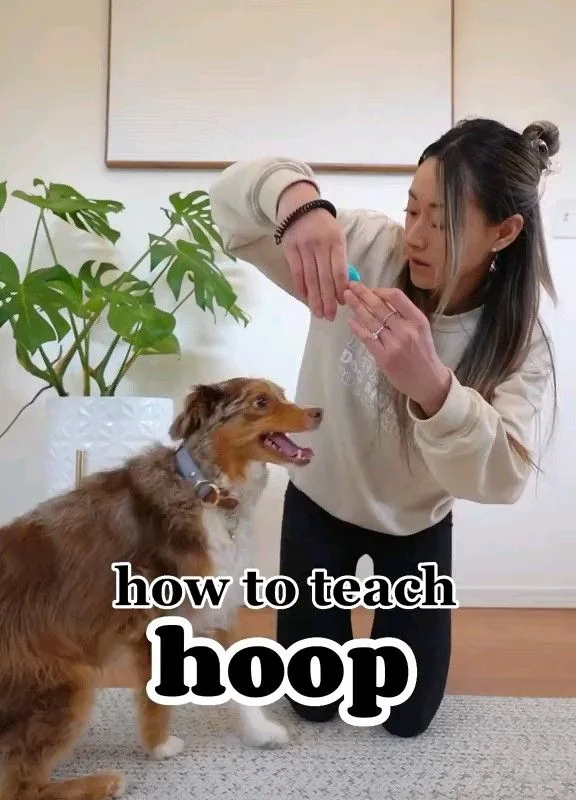
You've seen those viral videos of dogs leaping through hoops with pure joy, and you think, 'I want that!' But when you hold up a hula hoop, your pup just stares at you like you've lost your mind. Don't worry—teaching hoop isn't about magic; it's about breaking it down into tiny, tasty steps. Here's exactly how to get from 'what's that?' to a confident jump, using positive reinforcement and a whole lot of patience.
Advertisements1
- Break hoop training into tiny steps and reward every success—never force your dog through.
- Use a hoop that's the right size and secure it so it doesn't move, to build confidence.
- Start with the hoop on the ground and gradually raise it—never expect a jump on day one.
- Add a verbal cue only after your dog is reliably walking or jumping through.
- Keep sessions short (5-10 minutes) and end on a high note to maintain enthusiasm.
- If your dog shows fear, go back a step and rebuild positive associations with treats.
Why Hoop Training Works (and What to Avoid)
Hoop training is a fantastic way to build your dog's confidence, strengthen your bond, and give them mental and physical exercise. It's also a great party trick. But the biggest mistake I see is rushing—people hold up the hoop and expect the dog to jump through on day one. That's like expecting a toddler to ride a bike without training wheels. You need to break the skill into baby steps and reward every small success.
Another common mistake is using a hoop that's too small or flimsy. If the hoop wobbles or is hard to see, your dog will be unsure. Start with a sturdy, lightweight hoop (like a 24-inch diameter for small dogs, up to 30+ inches for larger breeds) and secure it so it doesn't move. Also, never force your dog through—that creates fear. Always use treats and praise to make it their idea.
The Right Setup: Hoop Size and Environment
Before you start, get the right equipment. A standard hula hoop works for medium and large dogs, but for small breeds, you might need a smaller embroidery hoop or a child's hoop. The hoop should be tall enough that your dog can jump through without scraping their back—about 10-15 cm above their shoulder height is a good rule. For a Chihuahua, that might be 20 cm off the ground; for a Lab, 30-40 cm.
Set up in a quiet, familiar space with minimal distractions. Indoors on a non-slip floor is best. Have high-value treats ready—small, soft, smelly bits like chicken or cheese, cut into pea-sized pieces. You'll also need a clicker if you use one; it helps mark the exact moment of success. Keep sessions short: 5-10 minutes, twice a day, to keep your dog's enthusiasm high.
Step-by-Step: From 'What's That?' to 'Wheee!'
I'll walk you through the exact progression I've used with dozens of dogs, from a shy rescue to a hyperactive terrier. The key is to go at your dog's pace and never move forward until they're comfortable at each stage. Remember, you're not just teaching a trick—you're building a thinking, confident companion.
Start by simply introducing the hoop. Place it on the floor and let your dog sniff it. Reward any curiosity with a treat and praise. Then, hold the hoop vertically (like a doorway) and lure your dog through with a treat in front of their nose. Once they're walking through regularly, you can start raising it slightly so they have to step over the bottom edge. Gradually raise it higher until they're jumping. Each step should be repeated until your dog is happily offering the behavior before you move on.
Troubleshooting Common Hoop Training Problems
What if your dog refuses to go near the hoop? That's usually fear. Go back to step one—let them sniff, and reward any interaction. If they're scared of the hoop moving, anchor it with a heavy base or have someone hold it steady. If your dog tries to go around the hoop instead of through, you're probably raising it too fast. Lower it back down and use a clear 'through' cue.
Another issue is your dog jumping from the side and knocking the hoop over. Use a hoop stand or have a helper hold it firmly. Also, make sure your treat lure isn't too high—keep it at nose level so they follow through the center. If your dog gets overexcited and starts jumping before you give the cue, that's actually great—it means they understand the game. Just ask for a 'sit' to calm them before each repetition.
Adding Cues and Making It a Routine
Once your dog is reliably jumping through the hoop with a clear path, start adding a verbal cue like 'hoop' or 'jump' right before they leap. Say it in a cheerful tone, then lure. Over time, they'll associate the word with the action, and you can phase out the treat lure (but still reward after they go through).
To make it a solid behavior, practice in different locations and with the hoop at different angles. Start with the hoop on the ground, then vertical, then try a low jump over a stick, then back to the hoop. This generalizes the skill. Also, always end on a high note—if your dog nails it three times in a row, stop for a play break. This keeps them eager for the next session.
Safety and Fun: Keeping It Positive
Safety first: never use a hoop that's too small or heavy, and always supervise. Check the floor for slippery surfaces. If your dog is a senior or has joint issues, consult your vet before starting jump training. Hoop training is supposed to be fun, not stressful. Watch for signs of frustration—yawning, lip licking, or turning away. If you see them, take a break and end on a success.
Also, remember that every dog learns at their own pace. Some pick it up in a week, others take a month. Celebrate the small wins, and don't compare your dog to the ones on YouTube. The goal is a happy, confident dog who loves learning with you. And if you do it right, you'll get that viral-worthy video too—minus the frustration.
How to Do It, Step by Step
- 1Introduce the hoop
Place the hoop on the floor and let your dog sniff it. Reward any interest with a treat and praise. This builds a positive association and reduces fear. - 2Lure through the hoop
Hold the hoop vertically with the bottom edge on the ground. Use a treat to guide your dog through the center, saying 'through' as they go. Reward immediately. - 3Raise the hoop gradually
Once your dog walks through consistently, lift the hoop a few inches so they have to step over the bottom. Increase height slowly, one inch at a time, always rewarding the jump. - 4Add the verbal cue
Just before your dog jumps, say your cue word like 'hoop' in a happy voice. Repeat this for several sessions until your dog starts jumping on the cue alone. - 5Phase out the treat lure
Start giving the cue without a treat in your hand, but keep treats handy. Reward after they jump through. This teaches them to respond to the word, not the lure. - 6Practice in different settings
Try the hoop in different rooms or outside. Vary the height and angle slightly. This helps your dog generalize the skill and not just associate it with one spot. - 7Make it a game
Incorporate hoop jumps into fetch or play sessions. For example, have your dog jump through the hoop to get a toy. This keeps it fun and reinforces the behavior.
Teaching your dog to jump through a hoop is really about teaching them to trust you—one small step at a time.
Frequently Asked Questions
How long does it take to teach a dog to jump through a hoop?
It typically takes 1-2 weeks with short daily sessions, but it depends on your dog's age, breed, and confidence. Puppies and eager learners might get it in a few days, while shy dogs may need a month.
What if my dog is scared of the hoop?
Go back to step one and let your dog approach the hoop at their own pace, rewarding any sniff or touch. You can also place treats near and inside the hoop to create a positive association before asking them to step through.
Can I teach an older dog to jump through a hoop?
Yes, but check with your vet first, especially if they have joint issues. Start with the hoop on the ground and only raise it slightly, focusing on low-impact stepping rather than high jumps.
What is the best treat to use for hoop training?
Use small, soft, high-value treats like boiled chicken, cheese, or hot dog slices, cut into pea-sized pieces. These are more motivating than dry kibble and won't fill your dog up too quickly.
How high should the hoop be for my dog?
The hoop's bottom edge should be around 10-15 cm above your dog's shoulder height for a comfortable jump. For a small dog, that might be low to the ground; for a large dog, you can raise it higher.

Liam covers technology and digital privacy, with a focus on helping everyday people protect their data online. He breaks down complex tech concepts into easy-to-understand advice and reviews privacy tools from a user’s perspective.


