

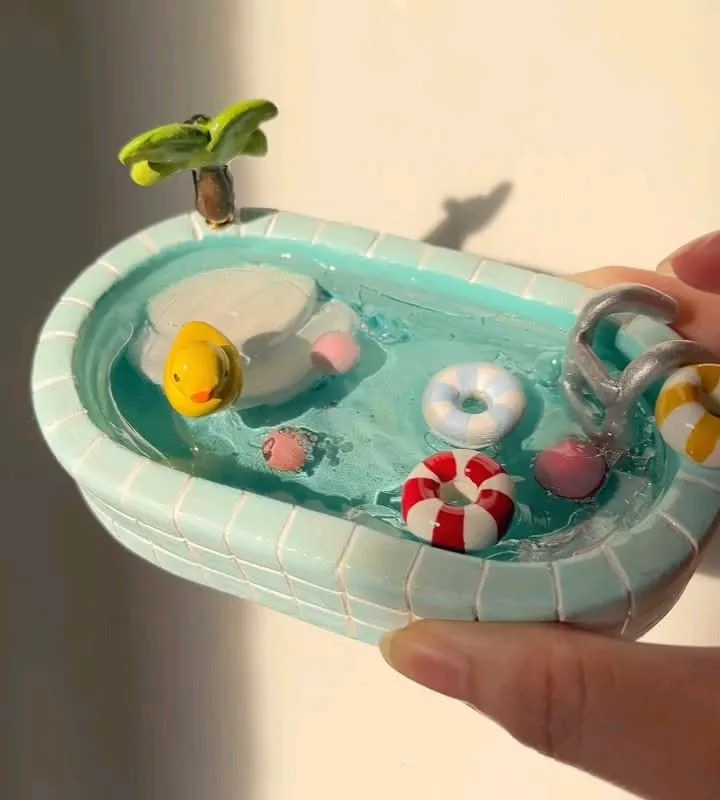
If you've just discovered the magic of a clay-lined pool—or you're thinking about adding one—you know it's not your average swimming hole. The earthy, mineral-rich water feels silky and soft, but it asks for a different kind of care. I've spent years tending my own clay pool, and I'm here to walk you through the simple, mindful routines that keep it clear, gentle, and inviting all summer long.
Advertisements1
- Clay pools need gentler chemical care than concrete or vinyl.
- Run your pump 10-12 hours daily in summer for clear water.
- Brush with a soft-bristle brush weekly to protect the clay surface.
- Keep pH between 7.2 and 7.6 and total alkalinity at 80-120 ppm.
- Use a non-chlorine shock weekly to avoid harsh chlorine spikes.
- Embrace the ritual of pool care as a mindful, calming practice.
Why Clay Pools Are Different: Embrace the Mineral Magic
Clay pools use a layer of bentonite or other natural clays to seal the basin, which gives the water a unique chemistry. Unlike concrete or vinyl, clay interacts with the water, buffering pH and adding beneficial minerals like silica and magnesium. That's why the water feels so soft on your skin—and why you can't treat it like a standard pool.
I remember my first summer with a clay pool: I shocked it with chlorine the way I'd always done, and within days the water turned cloudy and the clay started to erode. That's when I learned that clay pools thrive on gentler, more balanced care. The key is to work with the clay, not against it, using natural enzymes and minimal chemical intervention.
The Gentle Art of Filtration: Keep the Water Moving
Your filter is your best friend in a clay pool, but it needs a little extra attention. Because clay particles are fine and can cloud the water if they get stirred up, you want to run your pump longer—usually 10 to 12 hours a day in peak summer. I set mine on a timer to run during the hottest part of the day, which also helps distribute any heat evenly.
Check your filter pressure weekly. When it rises 8–10 psi above the clean reading, it's time to backwash or clean the cartridge. I also recommend using a pool clarifier once a week to help clump those tiny clay particles so your filter can catch them. It's a small step that makes a huge difference in keeping the water sparkly.
Balancing pH and Alkalinity: The Clay's Sweet Spot
Clay naturally buffers pH, but you still need to keep it in the ideal range: 7.2 to 7.6. If it drifts too high, the water can feel harsh and scale may form on the clay; too low, and it can irritate eyes and corrode equipment. I test my water every other day in summer, using a simple drop test kit. It takes two minutes and saves me from bigger headaches later.
Total alkalinity should sit between 80 and 120 ppm to stabilize pH. When I need to raise it, I use baking soda—it's cheap and gentle. To lower it, I add muriatic acid in small doses, always pouring it into a bucket of water first and dispersing it around the pool. Remember, slow and steady wins the race.
Chlorine and Alternatives: Choose the Right Sanitizer
Chlorine is effective, but in a clay pool it can be harsh if you overdo it. I keep free chlorine between 1 and 3 ppm, using stabilized chlorine tablets in a floater. But if you prefer a more natural approach, consider a mineral system that uses copper and silver ions—they work beautifully with clay and reduce chlorine needs by up to 50%.
I also use a non-chlorine shock (potassium monopersulfate) weekly to oxidize contaminants without spiking chlorine levels. This keeps the water fresh without stressing the clay. And always add any chemical in the evening, so the sun doesn't degrade it before it can work.
Brushing and Skimming: The Meditative Ritual
There's something calming about brushing a clay pool—it's like tending a garden. I brush the walls and floor once a week, using a soft-bristle brush to avoid scratching the clay surface. This prevents algae and biofilm from taking hold, and it keeps the clay from becoming slippery.
Skimming daily is a good habit, especially after a windy day. Leaves and bugs can introduce phosphates, which feed algae. I keep a leaf net by the pool and take two minutes each morning to skim. It's a tiny effort that pays off in clear water and a cleaner filter.
Seasonal Adjustments: Summer's Heat and Storms
Summer brings heat and sometimes heavy rain, both of which affect your clay pool. High temperatures can accelerate algae growth, so you may need to run the pump a bit longer and test more often. After a storm, I check pH and chlorine immediately—rain can dilute and alter the balance.
If you get a lot of rain, you might need to lower the water level to prevent overflow. I use a submersible pump to drain a few inches, then rebalance. Also, keep an eye on the clay liner: if you see any cracks or erosion, repair them early to avoid bigger leaks. A little proactive care goes a long way.
Embracing the Clay Pool Lifestyle: Mindfulness and Enjoyment
A clay pool isn't just a body of water—it's a living, breathing ecosystem. As you care for it, you'll notice the rhythm of the seasons, the feel of the water, the way the light dances on the surface. I've learned to slow down and appreciate these moments.
Before you dive in, take a deep breath and notice the temperature, the scent of the water, the quiet. Ask yourself: What does my pool need today? A little skimming, a pH tweak, or just some time to rest? This mindful approach not only keeps your pool healthy but also turns maintenance into a peaceful ritual. With kindness, Sofia
How to Do It, Step by Step
- 1Test your water daily
Use a drop test kit to check pH and chlorine every day in summer. It takes two minutes and catches problems early. - 2Run your pump 10-12 hours
Set a timer to run the pump during the hottest part of the day. This keeps water moving and prevents stagnation. - 3Brush weekly with a soft brush
Gently brush the clay walls and floor to prevent algae and biofilm. Avoid stiff brushes that can scratch the clay. - 4Skim daily
Remove leaves and debris every morning to prevent phosphates from feeding algae and to lighten the filter load. - 5Add clarifier weekly
A natural polymer clarifier helps tiny clay particles clump together so your filter can catch them, keeping water clear. - 6Shock with non-chlorine oxidizer
Once a week, use potassium monopersulfate to oxidize contaminants without spiking chlorine levels. - 7Check filter pressure weekly
When pressure rises 8-10 psi above clean, backwash or clean the cartridge to maintain efficiency. - 8Adjust for rain and heat
After a storm, test and rebalance. In heat waves, increase pump runtime and monitor chlorine more closely.
A clay pool is a living ecosystem—treat it with the same respect you'd give a garden, and it will reward you with silky, serene water all summer.
Frequently Asked Questions
Can I use regular chlorine in a clay pool?
Yes, you can use chlorine, but keep it at 1-3 ppm and avoid shocking with high doses. Regular chlorine tablets in a floater work well if you maintain balance.
Why does my clay pool get cloudy?
Cloudiness often comes from fine clay particles suspended in water or an imbalance in pH/alkalinity. Run the pump longer, use a clarifier, and test your water regularly.
How do I clean a clay pool without damaging the surface?
Use a soft-bristle brush for walls and floor, and avoid acidic cleaners that can erode the clay. Stick to gentle, pH-neutral pool cleaners.
Do I need to drain a clay pool in winter?
No, you should keep some water in the pool to protect the clay liner from cracking. Lower the water below the skimmer but never drain completely.
Can I use a saltwater chlorinator with a clay pool?
Yes, saltwater systems are compatible with clay pools, but monitor salt levels and ensure the cell is clean. The salt can be gentle on clay, but check with your builder for specific advice.

Sofia writes about mindful living and personal wellness, exploring habits that nurture mental and physical health. She shares gentle, realistic suggestions for creating calm in a busy world.


