

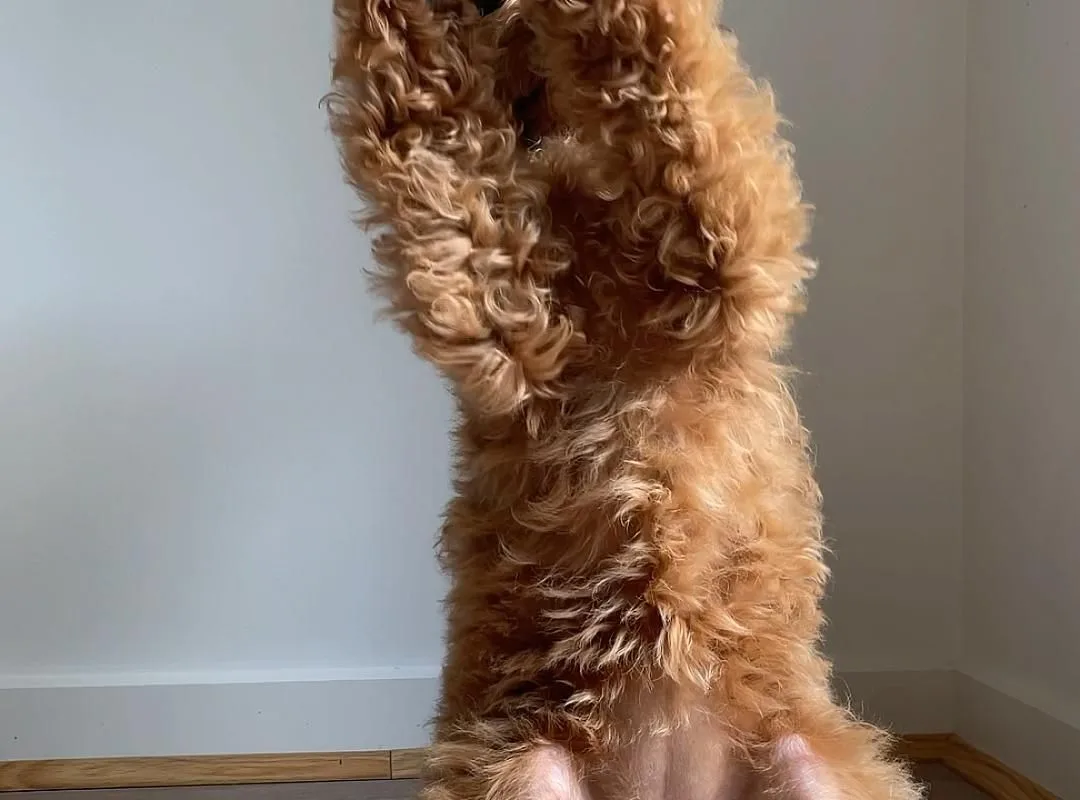
Most 'sit pretty' tutorials skip the biomechanics and rush to lure your dog into a position that can wreck their spine. This guide gives you a safe, step-by-step protocol with real numbers, so you can teach the behavior without causing injury.
Advertisements1
- Sit pretty is a strength exercise—not for dogs with back issues or long backs like Dachshunds.
- Progress in 1–2 second increments; never rush to long holds.
- Use a 70% success rate rule: if your dog fails more than 3 out of 10 reps, make it easier.
- Train on non-slip surfaces and limit sessions to 5–10 reps to prevent strain.
- Always end on a success and use a release cue to signal the end of the behavior.
Why 'Sit Pretty' Is More Than a Cute Trick
Sit pretty—also called sit up, beg, or sit handsome—is a core-strengthening exercise that engages the dog's abdominal muscles, hip flexors, and spinal stabilizers. When taught correctly, it improves overall body awareness and can be a foundation for advanced behaviors like balancing on hind legs. However, it's not for every dog. Breeds with long backs (Dachshunds, Corgis) or those with existing spinal issues (IVDD) should skip this behavior entirely. For healthy dogs, the key is progression: start with short holds (1–2 seconds) and gradually build to 10–15 seconds over several weeks. I've seen too many owners lure a dog straight into a 30-second hold on day one, only to cause muscle strain. Think of it as doggy Pilates: controlled, gradual, and always pain-free.
Prerequisites: What Your Dog Needs Before Starting
Before you attempt sit pretty, your dog must have a rock-solid 'sit' and 'stay' on cue, and be at least 12–18 months old (growth plates closed). They should also have no history of back or joint problems. If you're unsure, consult your vet—a $60 exam is cheaper than a $3,000 MRI. You'll also need a high-value treat (freeze-dried liver works well) and a clicker or marker word like 'yes'. Finally, assess your dog's build: a 70-pound Labrador will find this harder than a 15-pound terrier because they're lifting more mass. Adjust expectations accordingly. For large breeds, break the behavior into smaller increments and use a wall for support if needed.
The Step-by-Step Training Protocol
Start with your dog in a sit. Hold a treat at their nose, then slowly move it up and slightly back over their head—not too far back or they'll back up. The moment their front paws lift even an inch, mark with 'yes' and reward. Repeat 5 times, then take a 30-second break. Over 3–5 sessions, you'll shape a full lift. Once they're reliably lifting, add duration: hold the treat steady for 1 second before marking, then 2 seconds, and so on. Always end on a success. If your dog loses balance, they're not ready for that duration—reduce it. I use a 70% success rate as a rule: if they fail more than 3 out of 10 reps, make it easier. Never push through failure; that's how you build frustration and risk injury.
Common Mistakes and How to Avoid Them
The biggest mistake is luring too high too fast, which causes the dog to flip backward. Keep the treat just above the nose, not 2 feet overhead. Another error is training on slippery floors—use a yoga mat or carpet for traction. Also, don't repeat the behavior more than 5–10 times per session; it's physically demanding. I've seen dogs develop reluctance after just 20 reps in one go. Finally, avoid using a leash to pull the dog up; that's a quick route to injury. If your dog isn't offering the lift, go back to shaping smaller steps. Patience beats force every time.
Adding Duration, Distance, and Distraction
Once your dog holds sit pretty for 5 seconds with you right in front, add distance: step 1 foot back, then 2, then 3. Use a release cue like 'okay' to end the behavior. Then add distractions: bounce a ball, have someone walk by. Each new criterion lowers success rate temporarily—that's normal. I aim for 8 out of 10 reps before raising the bar. For advanced work, you can teach a hand signal (palm up) and phase out the treat. But remember: this is a physically demanding behavior, so limit sessions to 2–3 per week once learned, and always warm up with a few easy sits.
How to Do It, Step by Step
- 1Assess your dog's suitability
Check for back issues or long-backed breeds. If in doubt, get vet clearance. This prevents injury and wasted training time. - 2Warm up with basic sits
Do 5 quick sits to engage muscles. This primes your dog and reduces strain. - 3Lure the lift
Hold a treat at nose level, then move it up and slightly back. Mark and reward any front-paw lift. This builds the initial motion. - 4Shape for duration
Gradually increase hold time from 1 to 5 seconds over multiple sessions. Use a 70% success rate as your guide. - 5Add a verbal cue
Say 'sit pretty' just before the lift, then reward. Repeat until the cue predicts the behavior. - 6Proof with distance and distraction
Step back 1 foot, then 2, and add mild distractions. Only increase when your dog succeeds 8 out of 10 times.
The fastest way to ruin a dog's back is to lure them into a 30-second sit pretty on day one.
Frequently Asked Questions
Is sit pretty safe for all dogs?
No, it's not safe for dogs with spinal conditions or long backs. Always consult your vet first.
How long does it take to teach sit pretty?
Most dogs learn the basic lift in 3–5 short sessions, but building duration takes 2–4 weeks.
What if my dog can't balance?
Start with a wall behind them for support and reduce the height of the lure. Balance improves with practice.
Can I use a leash to help?
No, never pull with a leash. It can cause injury. Use shaping and treats instead.

Diego covers personal finance and investing for freelancers and gig workers. His angle is practical money management for irregular income, from budgeting to tax basics.


