

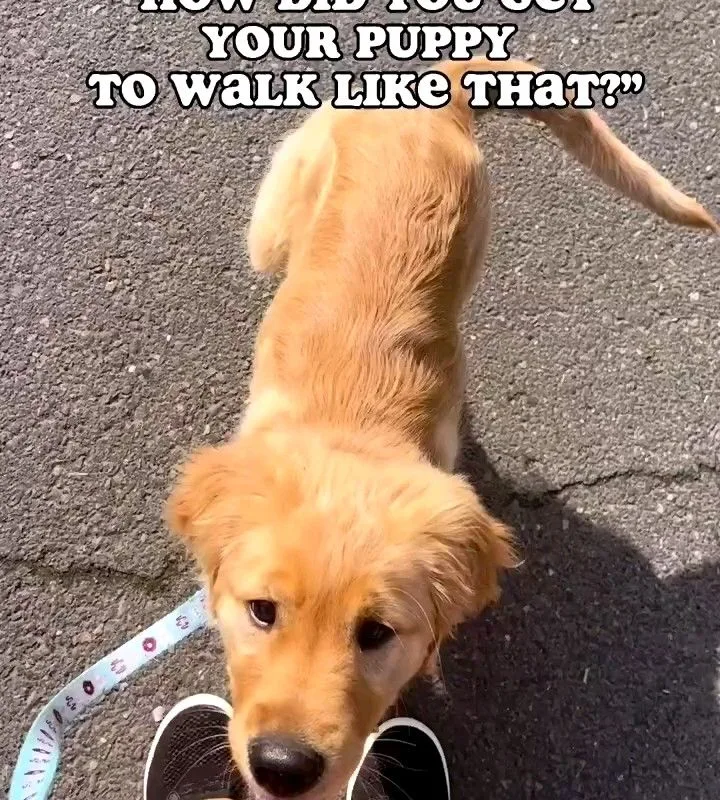
If your puppy turns into a bucking bronco the second the leash clips on, you're in good company — my own terrier mix, Biscuit, spent his first week walking backward. Here's the step-by-step system I use to turn leash chaos into calm, confident walks, with the reasoning behind every move.
Advertisements1
- Indoor leash practice for three days before your first real walk prevents most pulling problems.
- Walk roughly five minutes per month of age, twice a day — a four-month-old gets about 20 minutes per outing.
- Stop-and-go training works because forward motion rewards pulling; remove the reward and the behavior fades.
- High-value treats like chicken or cheese beat kibble when competing with squirrels and scooters.
- A default sit before greetings prevents jumping and teaches calm behavior around people and dogs.
- Short, successful sessions build faster than long, messy ones — end on a win.
Start Leash Training Indoors Before You Ever Open the Front Door
Most puppy walk problems start before the walk does. Clip the leash on in your living room and just let your puppy drag it around for two or three minutes while you toss a treat every few seconds. This teaches one thing: the leash is boring, and treats appear when it's on. Repeat this for three days before attempting a real walk.
Next, hold the leash loosely and take one step. If your puppy follows, mark it with a cheerful "yes!" and reward. If they plant their feet, wait five seconds, then gently lure them forward with a treat at your knee. Do five reps per session, twice a day. You're building the follow-the-human reflex in a low-distraction room, which is far easier than teaching it on a sidewalk with squirrels around.
A concrete number to aim for: five minutes of indoor leash practice daily for the first week. That's it. Short sessions beat long ones because puppy attention spans run about two to five minutes at eight to twelve weeks old.
Master the Five-Minute Rule for Puppy Walks
A common mistake is walking a young puppy for 30 minutes because it seems to enjoy it. The widely used guideline is roughly five minutes of structured walking per month of age, twice a day. A four-month-old puppy gets about 20 minutes per outing, not 45.
Why does this matter? Puppy growth plates are still open, and over-tiring a young dog leads to a puppy who melts down mid-walk — the classic flop-on-the-sidewalk tantrum. I learned this the hard way with Biscuit, who staged a dramatic sit-down protest two blocks from home at 14 weeks. I ended up carrying him back like a sack of potatoes.
Build in sniff time separately from walking time. Ten minutes of slow sniffing on a long line is mentally exhausting in a good way — often more tiring than a brisk walk. Sniffing is enrichment, not dawdling.
Teach Loose-Leash Walking With the Stop-and-Go Method
The instant your puppy pulls, stop moving. Stand still like a lamppost until the leash slackens, then say "let's go" and walk forward. This is called the stop-and-go or red-light method, and it works because pulling is reinforced by forward motion — remove the reward and the behavior fades.
The first few walks will be slow. Expect to take 15 minutes to cover half a block during week one. That's normal, not failure. Keep a treat pouch on your hip and reward your puppy for walking beside you for even three steps. Reward the position you want, not the position you're correcting.
Pick a side and stick with it. I train puppies to walk on my left, so the leash hand and treat hand stay consistent. Consistency means your puppy learns faster and you fumble less.
Pick Calm Routes and Times for the First Two Weeks
A quiet residential street at 7 a.m. beats a busy park at noon for a beginner puppy. Every new sound, scooter, and stranger is a distraction competing with you. Choose low-traffic routes for the first two weeks and gradually add challenge.
Watch your puppy's body language: relaxed ears, loose tail, and a curious sniff mean they're coping. Yawning, lip-licking, and refusing treats mean they're overwhelmed. If you see those signals, cut the walk short — a five-minute calm walk beats a 20-minute stressful one every time.
Also, avoid dog parks until your puppy is fully vaccinated and has basic leash skills. A chaotic park teaches pulling and reactivity faster than any training plan can fix it.
Handle Pulling, Freezing, and Greeting Without Frustration
For pulling, the stop-and-go method above is your main tool. For freezing, don't drag — crouch down, call your puppy warmly, and reward the moment they move toward you. Dragging a scared puppy teaches them that walks are something to endure.
For greeting people and other dogs, teach a default sit. Ask your puppy to sit before anyone pets them, and reward the sit. If your puppy lunges toward a passing dog, increase distance and reward attention on you. The goal is a puppy who can look at a distraction and then check back with you — that check-in is gold.
Keep training sessions to three to five minutes and end on a success. If your puppy nails three good steps, stop there and go home happy. Progress over perfection, always.
Build a Walk Routine That Sticks
Same route, same time, same cues for the first month. Predictability lowers anxiety and speeds learning. I use a simple pre-walk routine: leash comes out, puppy sits by the door, I clip the leash, then we walk out. That sit-by-the-door habit prevents door-dashing and sets a calm tone.
Bring high-value treats — tiny bits of cooked chicken or cheese — not kibble. You need rewards that compete with the environment. And always end every walk with a calm sniff session or a chew toy at home so the walk isn't the only excitement of the day.
Track progress in a simple note on your phone: how many steps before pulling, how many calm greetings. Seeing week-over-week improvement keeps you patient when a single walk feels messy.
How to Do It, Step by Step
- 1Clip the leash on indoors first
Let your puppy drag the leash for two to three minutes while you toss treats. Repeat for three days before going outside. This makes the leash boring and treats predictable. - 2Practice one step at a time
Hold the leash loose, take one step, and reward your puppy for following. Do five reps, twice daily. Build the follow-the-human reflex in a low-distraction room. - 3Follow the five-minute rule
Walk roughly five minutes per month of age, twice a day. A four-month-old gets about 20 minutes per outing. Add separate sniff time for mental enrichment. - 4Use stop-and-go for pulling
Stop moving the instant the leash tightens. Wait for slack, say "let's go," and walk forward. Expect slow progress the first week — that's normal. - 5Choose calm routes and times
Start on quiet residential streets in the early morning for the first two weeks. Watch for yawning or lip-licking and shorten the walk if you see stress signals. - 6Teach a default sit for greetings
Ask for a sit before anyone pets your puppy, and reward the sit. If your puppy lunges at a passing dog, increase distance and reward attention on you. - 7Create a consistent pre-walk routine
Leash out, puppy sits by the door, clip leash, walk out. Same route and time for the first month to lower anxiety and prevent door-dashing.
The first two weeks of puppy walks aren't about distance — they're about teaching your puppy that you're the most interesting thing on the sidewalk.
Frequently Asked Questions
How long should I walk my puppy?
Roughly five minutes per month of age, twice a day. A three-month-old puppy gets about 15 minutes per outing, and a four-month-old gets about 20 minutes. Add separate sniff time for mental enrichment.
Why does my puppy refuse to walk?
Freezing is usually fear or overwhelm, not stubbornness. Crouch down, call warmly, and reward any movement toward you. If your puppy freezes, check for stress signals like yawning or lip-licking and try a quieter route.
When can I start walking my puppy outside?
Start short walks in quiet areas about a week after your puppy's first vaccination, following your vet's advice. Avoid dog parks and busy areas until vaccinations are complete and basic leash skills are in place.
How do I stop my puppy from pulling on the leash?
Use the stop-and-go method: stop moving the instant the leash tightens, wait for slack, then walk forward. Reward your puppy for walking beside you. Expect slow progress the first week — that's normal.
Should I walk my puppy before or after meals?
Walk before meals, and wait about 30 minutes after eating before vigorous exercise. This reduces the risk of bloat and stomach upset, especially in deep-chested breeds.

Maya writes about sustainable living and zero-waste swaps for everyday families. She focuses on small, budget-friendly changes that actually stick, tested in her own chaotic kitchen.


