

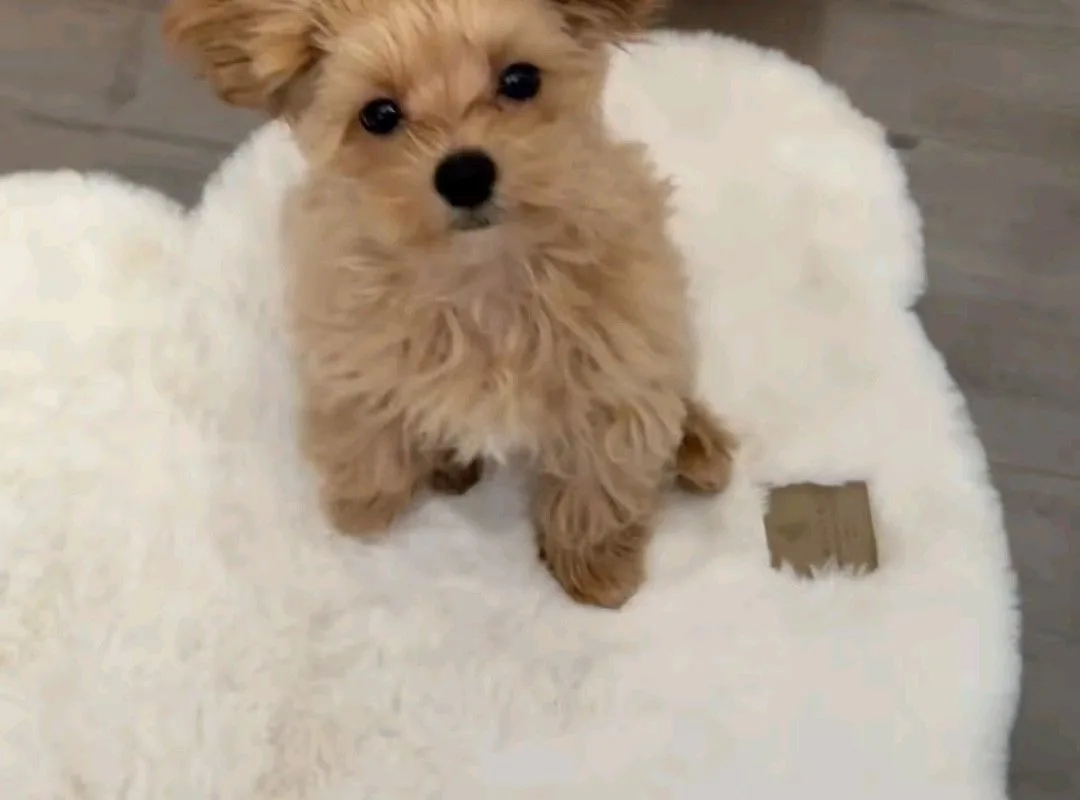
What if the very first thing you taught your puppy wasn't 'sit' or 'stay,' but the simple art of looking at you when you say their name? This one tutorial, which I call the Name Game, is the foundation for every other skill—and it takes just three minutes a day. Stick with me, and I'll show you how to make it stick.
Advertisements1
- The Name Game teaches your puppy that their name means 'look at me'—the foundation for all future training.
- Practice in 3-minute sessions, 3 times a day, with high-value treats and immediate rewards.
- Never use your puppy's name to scold; keep it positive so they always want to come when called.
- Start in a quiet space and only add distractions when your puppy succeeds 9 out of 10 times.
- End every session on a success to build confidence and enthusiasm.
Why the Name Game Is the First Tutorial You Should Teach
I learned this the hard way with my first puppy, a spirited border collie mix named Pepper. I was so eager to teach sit, down, and roll over that I skipped the basics of attention. Pepper would perform beautifully in the living room, but the moment we stepped outside, my voice became background noise. That's when a trainer friend asked me, 'Does Pepper actually know her name means look at me?' I didn't have an answer. So we started over with the Name Game. Within a week, Pepper was checking in with me dozens of times a day, and every other command became easier. The Name Game isn't about obedience—it's about building a reflex. When your puppy hears their name, they should turn and make eye contact, expecting something wonderful. That split-second of attention is the gateway to everything else, from recall to loose-leash walking. And the best part? You can teach it in short, gentle bursts that fit into your morning coffee routine.
The 3-Minute Daily Ritual That Builds a Rock-Solid Recall
Here's the tutorial I wish I'd had from day one. You'll need about 10 tiny, high-value treats (think pea-sized bits of chicken or cheese) and a quiet space with zero distractions. Say your puppy's name once, in a happy, sing-song tone. The instant they look at you—even a glance—mark it with a clicker or a verbal 'yes!' and deliver a treat. Then wait. Let them get distracted, and repeat. Do this for 60 seconds, three times a day. That's it. The magic isn't in the repetition; it's in the timing. The treat must arrive within half a second of the eye contact, or your puppy won't connect the dots. I keep a small treat pouch on my hip during these sessions so I'm never fumbling. And remember: never use your puppy's name to scold. If 'Rover!' means trouble, Rover will stop coming when called. Keep the name sacred and positive.
Common Mistakes I Made (So You Don't Have To)
One of my biggest blunders was repeating my puppy's name like a broken record. 'Pepper! Pepper! Pepper!' I'd chant, each repetition diluting the word's power. Your puppy's name should be a single, clear signal—not a stream of noise. Another mistake: rewarding the wrong thing. In the beginning, I'd treat Pepper for any movement toward me, even if she was just wandering in my direction. That taught her that ambling vaguely near me earned chicken. Instead, wait for that deliberate head turn and eye contact. And please, don't practice in a distracting environment too soon. I once tried the Name Game at a busy park, and Pepper was far more interested in a squirrel than in me. Start in your kitchen or a quiet hallway, and only add distractions once your puppy is succeeding 9 out of 10 times. Small, gradual steps—that's the secret.
How to Layer in Distractions Without Losing Your Puppy's Focus
Once your puppy is reliably turning to their name in the kitchen, it's time to gently raise the bar. I like to use a 'distraction ladder': first, add distance (call from across the room), then add mild distractions (a toy on the floor), then add duration (wait a few seconds before treating). Each step should feel almost too easy. If your puppy fails twice in a row, you've climbed too high—take a step back and breathe. I remember the day Pepper finally looked at me instead of a leaf blowing by. I nearly cried with joy. But it only happened because I'd practiced the Name Game in the backyard for five days straight, always ending on a success. Mindfulness prompt: before each session, take a deep breath and notice your own energy. Puppies mirror our calm. If you're rushed or frustrated, they'll feel it. Keep sessions short, sweet, and always end with a win.
Turning the Name Game into Real-World Reliability
The Name Game isn't just a party trick—it's the foundation for life-saving recall. Once your puppy is nailing it indoors, start using it in low-stakes real-life moments: before meals, before going out the door, before a game of fetch. Each time, say the name, mark the eye contact, and reward. Soon, your puppy will be offering attention proactively, checking in with you on walks like a little partner. I now use the Name Game with every foster puppy I take in, and it consistently shaves days off their training timeline. The other day, a friend's puppy slipped out the front door, and without thinking, I said her name—she spun around and came bounding back. That's the power of a positive name reflex. It's not about control; it's about connection.
How to Do It, Step by Step
- 1Gather 10 tiny, high-value treats
Use pea-sized bits of cooked chicken, cheese, or freeze-dried liver—something your puppy only gets during training. This keeps their motivation high and prevents overfeeding. - 2Go to a quiet, distraction-free space
Start in a hallway or a corner of the living room where there's nothing exciting happening. This sets your puppy up to succeed. - 3Say your puppy's name once, in a happy tone
Use a sing-song, cheerful voice. Don't repeat it. One clear, upbeat mention is all you need. - 4Mark and treat the instant they make eye contact
The moment their eyes meet yours, say 'yes!' (or click) and immediately deliver a treat. Timing is everything—within half a second. - 5Wait for a distraction, then repeat
Let your puppy look away, then say their name again. Repeat this 10 times per session, 3 times a day. - 6Gradually add distance and mild distractions
Once your puppy is succeeding 9 out of 10 times, practice from a few feet away or with a toy on the floor. Only increase difficulty when they're ready. - 7Practice in real-life moments
Use the Name Game before meals, before going outside, or during play. This teaches your puppy that their name always predicts good things.
Your puppy's name should be a promise of something wonderful, not a warning—that's the heart of the Name Game.
Frequently Asked Questions
How long does it take to teach a puppy their name?
Most puppies start responding reliably within 1-2 weeks of daily 3-minute sessions. Consistency and timing matter more than duration.
What if my puppy ignores their name?
Start in a quieter environment and use higher-value treats. If they still ignore you, you may be repeating the name too much or practicing in too distracting a setting.
Can I use the Name Game with an older dog?
Absolutely. The Name Game works for dogs of any age—it's never too late to build a positive name reflex.
Should I use a clicker or a verbal marker?
Either works, as long as you're consistent. A clicker is more precise, but a verbal 'yes!' is perfectly fine and easier to use on the go.
How do I stop my puppy from getting distracted during training?
Reduce distractions by training in a quiet space first, and gradually add challenges. Always reward eye contact, even if it's brief.

Sofia writes about mindful living and personal wellness, exploring habits that nurture mental and physical health. She shares gentle, realistic suggestions for creating calm in a busy world.


