

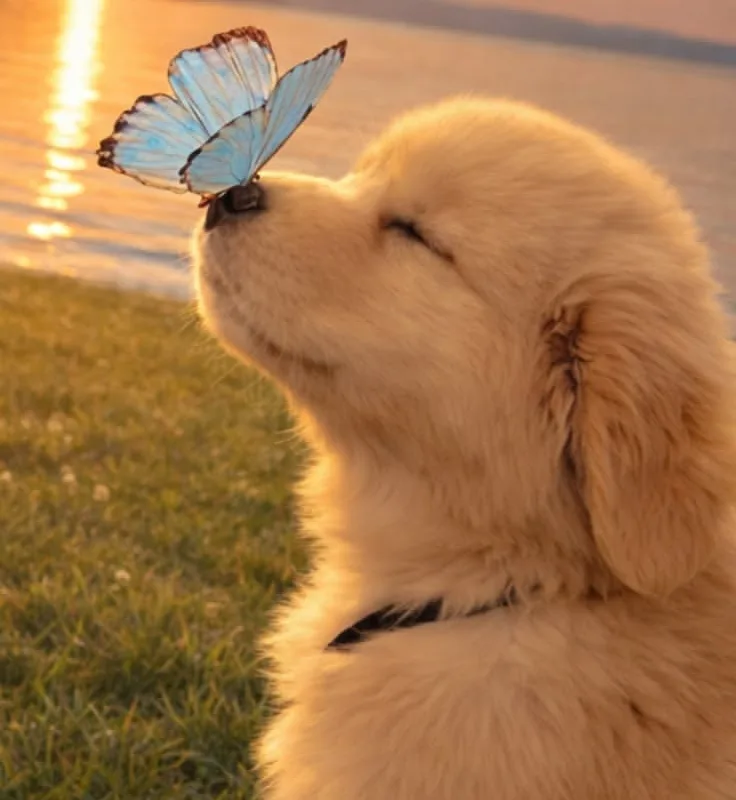
You're scrolling Pinterest, you see a perrito cute so tiny it fits in a coffee mug, and suddenly you're ready to bring one home. I've been there — and I've also seen the vet bills, the chewed shoes, and the 3 a.m. crying. Here's how to enjoy the cuteness without the chaos.
Advertisements1
- Small dogs are not easier — they have faster metabolisms, fragile bones, and longer lifespans (12–15 years).
- Measure food by weight, not volume. A 5-pound dog needs only 200–250 calories daily.
- Use a harness instead of a collar to prevent tracheal collapse, a common issue in toy breeds.
- Socialize your puppy with 100 different people, places, and surfaces before 16 weeks.
- Brush your dog's teeth daily — 80% of dogs have dental disease by age 3, and small breeds are at higher risk.
- Adopt or buy from a breeder who provides OFA health clearances for patellas and hearts.
What 'Perrito Cute' Actually Means (and Why Size Isn't Everything)
In Spanish, 'perrito' literally means 'little dog,' but when people say 'perrito cute,' they're usually picturing a specific aesthetic: big eyes, floppy ears, a head slightly too large for its body. Breeds like Chihuahuas, Pomeranians, and Maltese fit that mold, but so do mixed breeds like the 'Chiweenie' or 'Pomchi.' The mistake I see most? Assuming small equals easy. A 4-pound Chihuahua can be more territorial than a 70-pound Labrador.
Think of it like buying a sports car instead of an SUV. It's smaller, yes, but it still needs fuel, maintenance, and a driver who knows what they're doing. Small dogs have faster metabolisms, more fragile bones, and often louder opinions. The cuteness is real — but so is the responsibility.
Before you fall for a face, ask: Can I commit 12–15 years? Small breeds often live longer than large ones. That's a decade and a half of dental cleanings, nail trims, and socializing. If that sounds like a lot, a plush toy might scratch the itch without the vet visits.
The 3 Biggest Mistakes People Make with Cute Small Dogs
Mistake #1: Treating them like accessories. I once watched a woman carry her 5-pound Yorkie in a designer bag for six hours straight. By the end, the dog was trembling — not from cold, but from stress. Small dogs still need to walk, sniff, and pee on their own schedule. Carry them only when necessary (crowds, hot pavement, injury).
Mistake #2: Skipping training because they're 'too cute to discipline.' A 6-pound dog that jumps on guests is annoying; a 60-pound dog that does it is dangerous. But the principle is the same: boundaries create security. Teach 'sit,' 'stay,' and 'leave it' from day one. Use positive reinforcement — tiny treats like freeze-dried liver work wonders.
Mistake #3: Over-vaccinating or under-vaccinating. I've met owners who skip boosters because 'he never goes outside.' Then a raccoon visits the backyard. Follow your vet's schedule, not Pinterest threads. Core vaccines (distemper, parvo, rabies) are non-negotiable. Leptospirosis and bordetella depend on lifestyle — ask specifically.
How to Pick a Healthy Perrito Cute (Red Flags to Watch)
When you meet a litter, don't just coo. Check the eyes: clear, no discharge. Ears: pink inside, no odor. Nose: cool and wet, but not runny. Gums: bubblegum pink, not pale or white. A healthy puppy is curious, not cowering in a corner. If the breeder won't let you see the mother, walk away — that's a huge red flag for puppy mills.
Ask for health testing certificates. For small breeds, look for OFA (Orthopedic Foundation for Animals) clearances for patellas (knees) and hearts. A responsible breeder will happily show you. If they say 'we've never had problems,' that's not proof — it's a dodge.
Adoption is another route. Shelters often have small dogs, especially Chihuahua mixes in California and Texas. Use Petfinder and filter by size. But be honest: some rescue dogs have trauma. A fearful 2-year-old Chihuahua might need months of patience. That's not a dealbreaker — just know what you're signing up for.
Grooming a Tiny Dog Without Losing Your Mind
Small dogs mat easily. A Maltese's coat is like fine cotton — one missed brushing session and you're looking at painful tangles. I brush my neighbor's Shih Tzu every other day for 10 minutes. That's 35 hours a year. If you can't commit, choose a short-haired breed like a Chihuahua or a Min Pin.
Bathing: once every 4–6 weeks, unless they roll in something dead. Use a gentle puppy shampoo — human shampoo disrupts their skin barrier. Water temperature: lukewarm, like a baby's bath. Dry thoroughly, especially between toes and under the chin. Moisture there breeds yeast.
Nails: trim every 3–4 weeks. If you hear clicking on the floor, they're too long. Use small clippers and take tiny slivers — the quick (blood supply) is close to the tip in tiny dogs. Keep styptic powder handy. If you're nervous, pay a groomer $15. It's cheaper than a vet visit for a bleeding nail.
Feeding: Why a 5-Pound Dog Can't Eat Like a 50-Pound Dog
A Chihuahua's stomach is roughly the size of a walnut. One extra treat can be the equivalent of a human eating a whole pizza. Obesity in small dogs leads to tracheal collapse, diabetes, and joint pain. Measure kibble with a kitchen scale, not a scoop. A typical 5-pound dog needs about 200–250 calories per day. That's less than half a cup of most kibbles.
Choose a diet formulated for toy breeds. They need more calories per ounce and smaller kibble to prevent choking. Look for named meat first (chicken, turkey, salmon) and avoid artificial preservatives like BHA/BHT. I rotate proteins every few months to prevent allergies — chicken, then lamb, then fish.
Treats: keep them under 10% of daily calories. A single baby carrot is about 4 calories. A piece of string cheese? 80. Do the math. And never, ever give cooked bones — they splinter. Raw bones are okay for some dogs, but small breeds can crack teeth. Ask your vet.
Socializing Your Perrito Cute: The First 16 Weeks Matter Most
Puppies have a critical socialization window from 3 to 16 weeks. What they experience then shapes their adult personality. A puppy who meets 100 different people, 20 dogs, and 10 surfaces (grass, tile, gravel, wood, carpet) by 16 weeks is far less likely to be fearful. I keep a checklist: umbrellas, wheelchairs, children, men with hats, loud trucks.
But here's the catch: until fully vaccinated (usually around 16 weeks), avoid dog parks and unknown dogs. Instead, carry your puppy in a sling and let them observe. Reward calm behavior with treats. If they startle, don't coddle — that reinforces fear. Just move away and treat when they look back at you.
Enroll in a puppy kindergarten class. It's $100–$200 for 6 weeks, and worth every penny. You'll learn to read body language: a wagging tail isn't always happy — a high, stiff wag means arousal. A tucked tail means fear. A play bow means 'let's go.' These signals prevent bites.
When Cute Becomes a Problem: Health Issues in Small Breeds
Small dogs are prone to specific issues. Patellar luxation (kneecap slipping) affects Chihuahuas, Pomeranians, and Yorkies. Signs: skipping on one back leg, then recovering. Mild cases need joint supplements (glucosamine, MSM); severe cases need surgery ($2,000–$5,000). Keep them lean — every extra ounce stresses the knee.
Tracheal collapse: a honking cough, especially when excited or pulling on a leash. Use a harness, never a collar. Avoid small sticks and hard toys. If your dog sounds like a goose, see a vet.
Dental disease: 80% of dogs have it by age 3. Small breeds are worse because their teeth are crowded. Brush daily with enzymatic dog toothpaste. If you can't, use dental chews like Oravet or Greenies. Professional cleanings run $300–$600 but prevent heart and kidney damage from bacteria.
Hypoglycemia: tiny puppies (under 2 pounds) can crash if they don't eat every 4–6 hours. Keep honey or Karo syrup on hand. Rub a drop on their gums and get to a vet.
How to Do It, Step by Step
- 1Do a 10-minute daily handling session
Touch your puppy's ears, paws, mouth, and tail while feeding tiny treats. This prevents vet-visit meltdowns later. Do it every day for the first month. - 2Measure food with a kitchen scale
Weigh kibble in grams. A 5-pound dog needs 200–250 calories daily. Guessing leads to obesity, which causes joint and heart problems. - 3Use a harness, not a collar
Collars put pressure on the trachea, causing collapse in small breeds. A well-fitted H-harness distributes force across the chest. - 4Brush teeth every night
Use a finger brush and enzymatic toothpaste. If you skip, plaque hardens in 48 hours and leads to gum disease. Start slow — just let them lick the paste first. - 5Socialize before 16 weeks
Carry your puppy to new places. Expose them to 100 different sights, sounds, and people. Reward calm behavior. Avoid dog parks until fully vaccinated. - 6Trim nails every 3 weeks
If you hear clicking on hard floors, they're too long. Take tiny slivers to avoid the quick. Keep styptic powder nearby for accidents. - 7Schedule a vet check within 48 hours of adoption
Even if the breeder says 'all healthy.' Bring a stool sample. Ask about vaccines, deworming, and a baseline weight. Early detection saves money and lives.
The cutest dog in the world still needs boundaries, brushing, and a budget — cuteness fades, but habits last.
Frequently Asked Questions
What is the cutest small dog breed?
Cuteness is subjective, but Pomeranians, Chihuahuas, and Maltese consistently top Pinterest boards. However, temperament matters more — a calm Cavalier King Charles Spaniel may be a better fit for families than a high-strung Pomeranian.
How much exercise does a small dog need?
Most small breeds need 20–40 minutes of daily activity. That can be two 15-minute walks plus indoor play. But high-energy breeds like Jack Russell Terriers need closer to 60 minutes.
Are small dogs harder to potty train?
They have smaller bladders, so they need more frequent trips — every 2–3 hours as puppies. But with crate training and a consistent schedule, they learn just as fast as large dogs.
What should I feed a picky small dog?
Try warming food slightly or adding a teaspoon of plain chicken broth. Avoid free-feeding — pick up the bowl after 15 minutes. If pickiness persists, rule out dental pain with a vet.
Do small dogs live longer?
Yes, generally. Small breeds often live 12–16 years, while large breeds average 8–12. But longevity depends on genetics, diet, and preventive care.

Liam covers technology and digital privacy, with a focus on helping everyday people protect their data online. He breaks down complex tech concepts into easy-to-understand advice and reviews privacy tools from a user’s perspective.


