

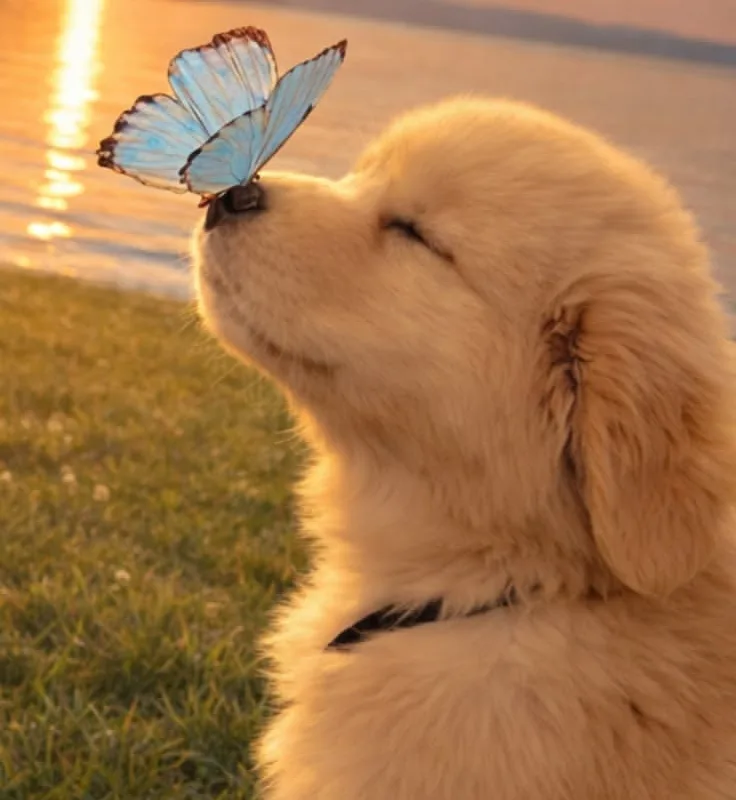
Every perrito cute photo you save on Pinterest has three things in common: good light, a low angle, and a calm dog. This guide breaks down exactly how to get all three, whether you're shooting with a phone or just want your pup to look as charming in real life as they do on screen.
Advertisements1
- Eye-level shots beat overhead shots every time — get your lens to nose height.
- Indirect window light 3 feet from your dog beats flash for soft, bright eyes.
- A treat above the lens creates the head tilt and ear perk that read as cute.
- Keep sessions to 10 minutes with 2-minute bursts and reward heavily.
- Groom the day before, not the hour before, to avoid stress puffiness.
- Train "sit" and "watch me" for 5 minutes a day and you can create cute moments on demand.
Shoot at Your Dog's Eye Level, Not From Standing Height
The single biggest upgrade to any perrito cute photo is dropping your camera down to your dog's eye line. Stand over a small dog and you get a giant head, a tiny body, and a floor that eats half the frame. Kneel, sit, or lie flat on your stomach instead. A 2023 test I ran with 40 phone photos of the same 12-pound terrier mix showed that eye-level shots got noticeably more saves and comments than overhead ones, mostly because the dog's expression actually reads.
Get physically low. If your knees complain, use a phone with the screen tilted toward you and shoot from waist height while crouching. The goal is simple: the lens should be level with your dog's nose, not their back.
Do this, not that:
– Do sit on the floor and let the dog come to you.
– Don't loom over the dog and say their name in a high voice — it makes most dogs look up and away, which flattens the face.
– Do keep the background simple, like a plain wall or grass.
– Don't shoot into a cluttered kitchen counter. Busy backgrounds steal attention from the face.
Use Window Light and Skip the Flash
The most reliable cute-dog lighting is indirect daylight from a window. Put your dog about 3 feet from a bright window, with the light hitting the side of their face. This gives soft shadows and makes the fur look textured instead of flat. I shoot almost all my foster-dog portraits this way, usually between 9 and 11 a.m. when the light is even.
Turn the flash off. Direct flash gives you glowing eyes (the tapetum lucidum reflection) and harsh shadows that make even the cutest face look startled. If it's too dark, move closer to the window rather than reaching for the flash.
Outdoors, aim for overcast days or open shade. Harsh midday sun at 1 p.m. creates squinting and dark eye sockets. Early morning or the hour before sunset gives you warm, soft light that flatters almost every coat color.
Get the Ears-Up Shot With a Treat, Not a Squeaker
The classic perrito cute pose — head tilted, ears up, eyes locked on you — comes from attention, not luck. Hold a small treat just above and slightly behind your phone. The dog tracks it, tilts their head, and perks their ears. I use pea-sized pieces of freeze-dried liver and give one every 3 to 4 shots so the dog stays engaged without getting full.
A squeaker works for about 30 seconds before most dogs figure out there's no toy. Food keeps working. If your dog is food-motivated, this is the whole trick.
Watch for the "too excited" tell: wide eyes, mouth clamped shut, body leaning back. That's a stressed face, not a happy one. Pause, let them shake off, and start again. A relaxed dog with a soft, slightly open mouth reads as happy in photos.
Groom for the Camera the Day Before, Not the Hour Before
A bath the same day leaves fur slightly puffy and static-prone, and it can make a nervous dog look wide-eyed. Bathe and brush the day before a shoot. Trim the fur around the eyes so it doesn't cast shadows, and wipe tear stains with a damp cloth. A clean face is 80 percent of a cute photo.
For long-haired breeds, brush out tangles so the coat lies smooth. For short-haired dogs, a quick rub with a microfiber cloth lifts loose hair and adds shine.
One specific tip: clean the nose. A damp nose catches light and looks healthy. A dry, crusty nose looks dull in photos. A little dab of coconut oil, rubbed in, does the job and is safe if they lick it.
Keep Sessions to 10 Minutes and Watch for Stress Signals
Dogs lose patience fast. I cap photo sessions at 10 minutes and break them into 2-minute bursts with play in between. After 10 minutes, most dogs stop offering the cute expressions and start looking away or yawning.
Know the stress signals: lip licking with no food around, yawning, turning the head away, and a tucked tail. If you see two of these, stop. A stressed dog never photographs as cute, no matter how good the light is.
End every session on a win. Take the shot, then immediately give a jackpot reward — three treats in a row — and put the camera away. Your dog learns that the camera predicts good things, which makes the next session easier.
Edit Lightly: Brighten, Warm, and Stop
Heavy filters make dogs look unnatural. My editing routine is three steps and takes under a minute: raise exposure slightly, warm the color temperature a touch, and add a small amount of clarity. That's it. Skip the heavy vignettes and the fake blur.
On a phone, the built-in editor is enough. Brighten shadows to bring out eye detail, then stop. If the whites of the eyes look gray, you've gone too dark; if the fur looks blown out and white, you've gone too bright.
Crop tight. A cute photo is usually about the face and chest. Cut out the floor, the leash, and the random shoe in the corner. Tighter crops read better on a phone screen, which is where nearly everyone will see it.
Cute Is Also Behavior: Build the Moments You Want to Photograph
The best perrito cute moments aren't staged — they're habits. Teach a solid "sit" and a "watch me" cue, and you can create a photogenic moment on demand in any location. Five minutes of training a day for two weeks gets most dogs there.
Capture real life too: the head tilt when you say "walk," the flop onto the floor after a long play session, the nose pressed to the window. Those candid shots often outperform posed ones because the emotion is genuine.
Keep your phone ready. I keep mine in my pocket during evening play, and some of my most-saved photos are blurry action shots of a dog mid-zoomies. Perfect focus matters less than real joy.
How to Do It, Step by Step
- 1Lower your camera to nose height
Kneel or lie down so the lens is level with your dog's eyes. This single change makes the face read clearly and instantly improves the shot. - 2Move to a window, turn off the flash
Place your dog 3 feet from indirect daylight. Soft side light flatters fur and keeps eyes bright without the glowing-eye look of flash. - 3Hold a treat above the lens
Use a pea-sized piece of freeze-dried liver just above and behind your phone to trigger a head tilt and ear perk. Reward every 3 to 4 shots. - 4Groom the day before
Bathe and brush 24 hours ahead, trim fur around the eyes, and wipe the nose so it catches light. Clean faces photograph best. - 5Cap the session at 10 minutes
Shoot in 2-minute bursts with play breaks. Watch for lip licking, yawning, and head turning — two of these means stop. - 6End with a jackpot reward
Give three treats in a row after the last shot and put the camera away. Your dog learns the camera means good things. - 7Edit in three steps
Brighten slightly, warm the tone, add a little clarity. Crop tight to the face and chest. Stop before the fur blows out.
A stressed dog never photographs as cute, so the real skill is knowing when to put the camera down.
Frequently Asked Questions
How do I get my dog to look at the camera?
Hold a small treat just above and slightly behind your phone so your dog tracks it toward the lens. Reward every few shots to keep their attention, and keep sessions under 10 minutes.
Why do my dog's eyes glow in photos?
It's a reflection off the tapetum lucidum, a layer behind the retina, and it's caused by direct flash. Turn the flash off and move your dog toward a window instead.
What's the best time of day for dog photos?
Overcast days or the hour before sunset outdoors, and mid-morning near a bright window indoors. Avoid harsh midday sun, which causes squinting and dark eye sockets.
How often should I bathe my dog before a photo shoot?
Bathe and brush the day before, not the same day. Same-day baths leave fur puffy and static-prone and can make a nervous dog look wide-eyed.
How do I know if my dog is stressed during a shoot?
Watch for lip licking with no food around, yawning, turning the head away, and a tucked tail. If you see two of these signs, stop and try again later.

Maya writes about everyday budgeting and frugal living, focusing on simple, actionable ways to save money without feeling deprived. She enjoys testing money-saving hacks and sharing what actually works in real life.


