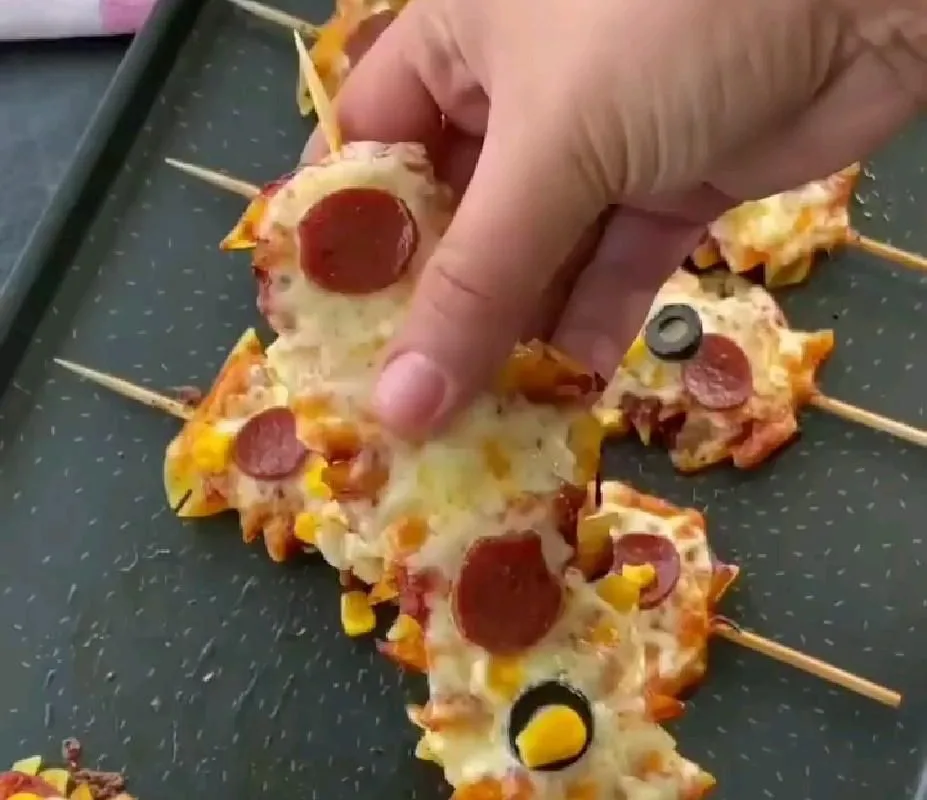
The problem with leftover pasta is that reheating it rarely gives you anything worth looking forward to — it goes soft, gluey, and sad. Pasta pizza solves that by pressing cooked pasta into a skillet with egg and parmesan, letting the bottom crisp into a golden crust, then treating the top like a pizza: sauce, mozzarella, pepperoni, and a hot oven finish.
Advertisements1
The technique is simple but the details matter. The pasta needs to be cold and well drained, the pan needs a genuine preheat so the starch bonds, and the broiler needs watching because mozzarella goes from bubbling to burnt in under a minute. Get those three things right and you have a weeknight dinner that eats like a treat.
Quick win: drain your cooked pasta and chill it uncovered for at least 30 minutes before you start — dry, cold pasta crisps far more reliably than fresh, wet pasta.
Why You'll Love This Recipe
About the Ingredients
3 cups (about 450g) cooked and chilled spaghetti or penne
Cold pasta holds its shape and crisps better than freshly boiled. Any short or long pasta works; avoid thin angel hair, which overcooks and turns mushy.
2 large eggs, lightly beaten
Eggs bind the strands so the crust holds together when sliced. For an egg-free version, substitute 3 tablespoons of aquafaba plus 1 extra tablespoon of grated parmesan.
1/2 cup (50g) finely grated parmesan, divided
Fine grating melts into the pasta and creates a lacy crisp edge. Pecorino Romano is a sharper, saltier swap — reduce added salt if you use it.
1 1/2 cups (170g) shredded low-moisture mozzarella
Low-moisture mozzarella browns and stretches without weeping water onto the crust. Fresh mozzarella works but must be torn and patted dry first.
3/4 cup (180ml) marinara sauce
A thick, low-sugar marinara keeps the crust from going soggy. If yours is watery, simmer it for 5 minutes to reduce before spreading.
2 ounces (56g) sliced pepperoni
Pepperoni cups and crisps at high heat, adding texture. Turkey pepperoni or sliced salami are fine substitutes; pat off surface oil either way.
2 tablespoons olive oil
Olive oil conducts heat into the pasta and creates the fried crisp layer. Use a neutral high-smoke-point oil if your oven runs very hot.
1/2 teaspoon kosher salt
Season the pasta mixture, not just the top. If your parmesan is very salty, cut this to 1/4 teaspoon.
1/2 teaspoon dried oregano
Oregano rounds out the pizza flavor. Crush it between your palms first to release the oils, or swap in 1 teaspoon of Italian seasoning.
1/4 teaspoon red pepper flakes (optional)
Adds a background heat that cuts the richness of the cheese. Leave it out entirely for kids, or use a pinch of black pepper instead.
Tips & Tricks
Dry the pasta hard
Excess water is the number one cause of a soggy pasta pizza. Drain it, spread it on a sheet pan, and let it cool uncovered so surface moisture evaporates.
Preheat the skillet, not just the oven
A cold pan means the crust steams instead of fries. Heat the oil in the skillet over medium-high until it shimmers before adding the pasta, and you will hear it sizzle immediately.
Sauce with restraint
Too much marinara turns the center to mush. Spread a thin, even layer and leave a 1-inch border of bare pasta around the edge so it can crisp.
Broil from a distance
Keep the rack about 6 inches from the element and never walk away. Mozzarella goes from bubbling to black in under 60 seconds.
Pro Tips
Step-by-Step Instructions
1. Chill and dry the pasta
Spread 3 cups of cooked pasta on a sheet pan and refrigerate uncovered for at least 30 minutes. Cold, dry pasta binds and crisps; warm, wet pasta steams.
2. Mix the base
In a large bowl, toss the chilled pasta with the beaten eggs, 1/4 cup of the parmesan, the salt, oregano, and red pepper flakes until every strand is coated. The mixture should look tacky, not wet.
3. Heat the skillet
Heat 2 tablespoons olive oil in a 10-inch oven-safe skillet over medium-high heat until it shimmers, about 2 minutes. Preheat your oven to 425°F (220°C) at the same time.
4. Press and fry the crust
Add the pasta mixture and press it firmly into an even layer with a spatula. Cook undisturbed for 6 to 8 minutes, until the edges are golden brown and the crust moves as one piece when you shake the pan.
5. Sauce the base
Reduce the heat to low and spread 3/4 cup marinara over the pasta, leaving a 1-inch border. Scatter the remaining 1/4 cup parmesan over the sauce.
6. Add the cheese and pepperoni
Top with 1 1/2 cups shredded mozzarella and arrange 2 ounces of pepperoni slices evenly over the surface. Do not press the toppings down.
7. Bake until bubbling
Transfer the skillet to the oven and bake at 425°F (220°C) for 12 to 15 minutes, until the cheese is melted and the edges bubble. The center should read 165°F (74°C) on an instant-read thermometer.
8. Broil for color
Switch to broil and cook for 1 to 2 minutes, until the pepperoni cups crisp and the cheese turns spotty golden brown. Watch it constantly — it goes from golden to burnt fast.
9. Rest and slice
Rest the skillet on a trivet for 2 minutes, then run a spatula around the edge and slide the pizza onto a cutting board. Cut into 6 wedges and serve hot.
Delicious Variations
Meatless Garden Version
Skip the pepperoni and top with thin-sliced bell pepper, red onion, and black olives added before baking.
Spicy Vodka Swap
Replace the marinara with 3/4 cup vodka sauce and finish with torn fresh basil after broiling.
Breakfast Pasta Pizza
Omit the pepperoni, crack 4 eggs into wells in the cheese before baking, and bake until the whites set, about 12 minutes.
How to Store Pasta Pizza 🍕
Refrigerator
Store cooled slices in an airtight container in the refrigerator for up to 3 days. Place parchment between layers so the crust does not stick.
Freezer
Freeze cooled wedges on a sheet pan for 1 hour, then wrap individually in foil and freeze for up to 2 months.
Reheating
Reheat in a 375°F (190°C) oven or toaster oven for 8 to 10 minutes on a wire rack so the bottom re-crisps. Avoid the microwave, which makes the crust rubbery.
Frequently Asked Questions
Q: Can I make pasta pizza with freshly cooked pasta?
Yes, but you must cool and dry it first or the crust will steam instead of crisp. Spread freshly cooked pasta on a sheet pan, drizzle with a little oil, and refrigerate for at least 30 minutes before mixing.
Q: What kind of pasta works best for pasta pizza?
Spaghetti, penne, and rigatoni all work well because they hold their shape and bind with egg. Avoid very thin pasta like angel hair, which turns mushy and will not form a sliceable crust.
Q: Why did my pasta pizza fall apart?
It usually falls apart because there was not enough binder or the crust was not fried long enough before flipping or slicing. Use both eggs and grated parmesan, press the mixture firmly, and cook until the edges are deeply golden.
Q: Can I make pasta pizza without eggs?
Yes — substitute 3 tablespoons of aquafaba or 1/4 cup of ricotta plus 1 extra tablespoon of parmesan. The crust will be slightly more delicate, so let it fry an extra 2 minutes before adding toppings.
Q: Is pasta pizza gluten-free?
It can be if you use gluten-free pasta cooked to just shy of al dente. Rinse it briefly, dry it thoroughly, and expect a slightly softer crust that needs the full 8 minutes of frying.
If you have a container of leftover pasta in the fridge, this is the most satisfying thing you can do with it tonight. Cook it once, note what your pan and oven actually do, and adjust from there — that is how a recipe becomes yours. Stay focused, stay light.

Pasta Pizza 🍕
Pasta pizza turns leftover spaghetti into a crispy, cheesy one-pan dinner with marinara, mozzarella, and pepperoni in just 50 minutes.
🧂 Ingredients
- 3 cups (about 450g) cooked and chilled spaghetti or penne
- 2 large eggs, lightly beaten
- 1/2 cup (50g) finely grated parmesan, divided
- 1 1/2 cups (170g) shredded low-moisture mozzarella
- 3/4 cup (180ml) marinara sauce
- 2 ounces (56g) sliced pepperoni
- 2 tablespoons olive oil
- 1/2 teaspoon kosher salt
- 1/2 teaspoon dried oregano
- 1/4 teaspoon red pepper flakes (optional)
📋 Instructions
- 1Chill and dry the pasta — Spread 3 cups of cooked pasta on a sheet pan and refrigerate uncovered for at least 30 minutes. Cold, dry pasta binds and crisps; warm, wet pasta steams.
- 2Mix the base — In a large bowl, toss the chilled pasta with the beaten eggs, 1/4 cup of the parmesan, the salt, oregano, and red pepper flakes until every strand is coated. The mixture should look tacky, not wet.
- 3Heat the skillet — Heat 2 tablespoons olive oil in a 10-inch oven-safe skillet over medium-high heat until it shimmers, about 2 minutes. Preheat your oven to 425°F (220°C) at the same time.
- 4Press and fry the crust — Add the pasta mixture and press it firmly into an even layer with a spatula. Cook undisturbed for 6 to 8 minutes, until the edges are golden brown and the crust moves as one piece when you shake the pan.
- 5Sauce the base — Reduce the heat to low and spread 3/4 cup marinara over the pasta, leaving a 1-inch border. Scatter the remaining 1/4 cup parmesan over the sauce.
- 6Add the cheese and pepperoni — Top with 1 1/2 cups shredded mozzarella and arrange 2 ounces of pepperoni slices evenly over the surface. Do not press the toppings down.
- 7Bake until bubbling — Transfer the skillet to the oven and bake at 425°F (220°C) for 12 to 15 minutes, until the cheese is melted and the edges bubble. The center should read 165°F (74°C) on an instant-read thermometer.
- 8Broil for color — Switch to broil and cook for 1 to 2 minutes, until the pepperoni cups crisp and the cheese turns spotty golden brown. Watch it constantly — it goes from golden to burnt fast.
- 9Rest and slice — Rest the skillet on a trivet for 2 minutes, then run a spatula around the edge and slide the pizza onto a cutting board. Cut into 6 wedges and serve hot.

Kenji covers tech productivity and digital minimalism for remote workers. He writes about streamlining workflows and cutting digital clutter with a focus on mental clarity, not just efficiency.