

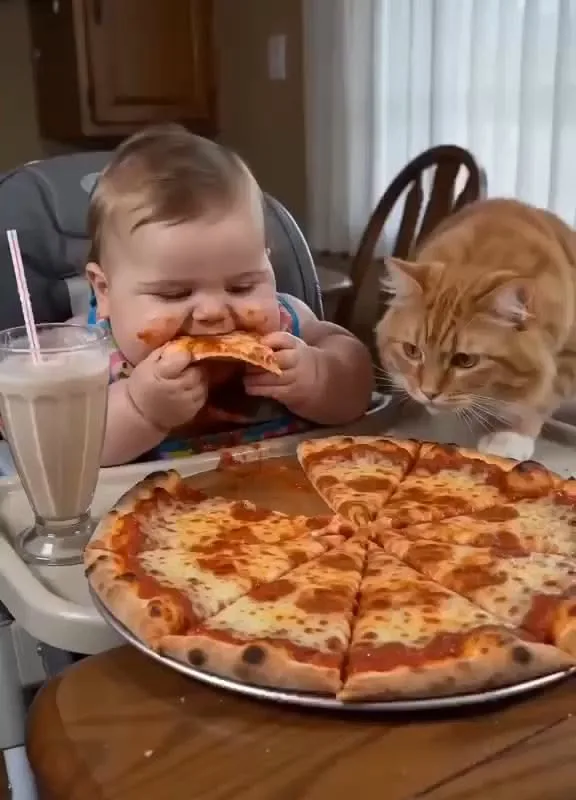
Picture this: my daughter, her tiny fingers clutching a slice of pepperoni pizza, and our cat, Miso, weaving between her chair legs like a furry shark. It's a scene repeated in countless homes, and it can be both heartwarming and a little nerve-wracking. In this guide, I'll share practical, gentle strategies to keep both child and cat safe, happy, and well-fed during pizza night.
Advertisements1
- Pizza toppings like onion and garlic are toxic to cats—even small amounts can cause harm.
- Create a cat-free zone during meals to prevent begging and accidental ingestion.
- Teach children not to share people food with cats, and redirect to cat-safe treats.
- Store leftovers immediately and clean up thoroughly to remove tempting crumbs.
- Make a cat-safe pizza alternative to include your cat in the family ritual.
- Know the signs of poisoning and keep emergency vet contacts handy.
Why Pizza and Cats Are a Tricky Combination
Pizza is a beloved family food, but it's also a minefield for cats. Common toppings like onions, garlic, and tomato sauce can be toxic to felines, causing gastrointestinal upset or worse. Even a small amount of garlic powder can damage a cat's red blood cells. Meanwhile, a curious cat may see a cheesy slice as an invitation to investigate—or steal. And a child, excited and distracted, might drop pieces or even offer a bite, not knowing the risks. So the first step is awareness: pizza night isn't just about feeding your child; it's about managing a multi-species environment.
I learned this the hard way when Miso once licked a spot of pizza sauce off the floor and had a mild stomach upset for two days. Our vet gently explained that onion and garlic are the biggest culprits, and that even a tiny amount can be harmful. Since then, I've become more mindful about where pizza is eaten and how leftovers are stored. It's not about banning fun; it's about setting up simple boundaries that keep everyone safe.
Think of it as a small act of love: by planning ahead, you're protecting your cat from harm and teaching your child about caring for animals. And isn't that a beautiful lesson to share over a slice of pizza?
Setting Up a Cat-Free Zone During Meals
The simplest way to prevent accidents is to create a physical separation. I started by designating the dining table as a 'cat-free zone' during meals. This doesn't mean locking Miso in another room—that feels punitive and can cause stress. Instead, I set up a comfortable alternative: a cozy cat bed or a perch near the table but out of reach. Miso quickly learned that when we sit down to eat, she gets a special treat (like a small piece of cooked chicken) in her spot. It's a win-win: she's occupied and we eat in peace.
For families with toddlers, a high chair with a tray that's slightly recessed can help contain crumbs. I also place a mat under the high chair to catch droppings, making cleanup easier. If your cat is particularly persistent, consider using a baby gate to block the kitchen doorway during meals. This creates a visual barrier without isolation. The key is consistency: every meal, same routine. Cats thrive on predictability, and so do kids.
Remember, this isn't about excluding your cat; it's about creating a harmonious mealtime rhythm. You might even turn it into a game: 'Where's Miso's special spot?' and let your child help set up the cat's area. That way, everyone feels included.
Teaching Your Child to Share Safely (or Not at All)
Children love to share, especially with pets. But when it comes to pizza, sharing can be dangerous. I taught my daughter a simple rule: 'People food is for people, cat food is for cats.' We practiced with play food, and I explained that some foods make Miso sick. At three, she understood 'Miso's tummy hurts' and became proud of protecting her furry friend.
If your child is older, you can go deeper: explain which ingredients are toxic (onions, garlic, chocolate, grapes) and why. Turn it into a mini science lesson. For example, 'Garlic makes cats' blood cells break, so we keep it away.' Kids are natural scientists and love knowing the 'why.'
What if your child wants to feed the cat? Redirect to cat-safe treats. We keep a jar of freeze-dried chicken treats on the counter, and my daughter can give Miso one after meals. This satisfies the urge to share while keeping everyone safe. It's a small shift, but it builds empathy and responsibility.
Handling Leftovers and Cleanup Like a Pro
After the meal, the danger isn't over. Leftover pizza is a magnet for cats. I've learned to immediately pack leftovers in containers with tight lids and place them in the fridge or a high cabinet. Never leave pizza boxes open on the counter or table. Even a closed box can be nudged open by a determined cat. I also wipe down surfaces and sweep the floor right away. A dropped pepperoni can be a tempting—and toxic—snack.
For quick cleanup, I keep a spray bottle of pet-safe cleaner and a dedicated sponge under the sink. It takes two minutes, but it prevents a potential vet visit. If you have a dog, same rules apply; but with cats, the risk is higher because they can jump onto counters. So think vertically: use cabinet locks if needed, or store pizza in a closed microwave or oven (when off and cool).
One mindfulness prompt: as you clean up, take a deep breath and appreciate the meal you shared. This small ritual can turn a chore into a moment of gratitude.
Choosing Cat-Safe Pizza Alternatives for Sharing
If you want to include your cat in the pizza experience, you can make a cat-safe version. I sometimes bake a tiny 'pizza' for Miso using a base of plain cooked chicken or salmon, topped with a spoonful of plain pumpkin puree and a sprinkle of catnip. It looks like a mini pizza and she loves it. Always avoid cheese (most cats are lactose intolerant) and any seasoning. This way, she gets a special treat while we enjoy our own.
For kids, this can be a fun activity: 'Let's make Miso's pizza!' It teaches them about different dietary needs. Just ensure the cat's pizza is cooled and cut into tiny, bite-sized pieces. And supervise—some cats gobble too fast and choke.
If you're short on time, a simple piece of cooked, unseasoned chicken or a commercial cat treat will do. The point is to include your cat in the family ritual without compromising safety. It's a small, gentle change that can bring a lot of joy.
What to Do If Your Cat Eats Pizza
Accidents happen. If your cat sneaks a bite of pizza, don't panic. First, assess what they ate. A small piece of plain crust is usually not a big deal, but toppings like onion, garlic, or a lot of cheese can be problematic. Watch for symptoms: vomiting, diarrhea, lethargy, or loss of appetite. If you see any, call your vet immediately. It's better to be safe.
I keep the number for our vet and the Pet Poison Helpline (855-764-7661 in the US) saved in my phone. Knowing what to do in an emergency gives me peace of mind. Also, note the amount and time of ingestion to tell the vet. In most cases, a tiny amount won't cause serious harm, but it's always worth a call.
Prevention is key, but if it happens, act quickly and calmly. Your cat depends on you to be their advocate. And remember, you're not a bad pet parent—you're human. We all learn as we go.
How to Do It, Step by Step
- 1Create a cat-free zone during meals
Set up a comfortable spot for your cat away from the table, like a bed or perch, and give them a treat there. This prevents begging and accidental ingestion. - 2Teach your child the 'people food vs. cat food' rule
Use simple language and repetition. Explain that some foods make cats sick. Practice with play food and praise your child for following the rule. - 3Store leftovers immediately
Pack pizza in airtight containers and refrigerate right after eating. Never leave it out, even for a few minutes. Clean floors and surfaces thoroughly. - 4Make a cat-safe pizza alternative
Create a mini pizza for your cat using plain cooked chicken or salmon, pumpkin puree, and catnip. Avoid cheese and seasonings. Supervise while they eat. - 5Keep emergency numbers handy
Save your vet's number and the Pet Poison Helpline in your phone. If your cat eats pizza, note what and how much, and call if you see symptoms. - 6Involve your child in safe cat care
Let your child help set up the cat's area or give cat-safe treats after meals. This builds empathy and responsibility.
The safest pizza night is one where the cat has their own special spot and treat, and the child learns that caring for animals means understanding their needs.
Frequently Asked Questions
Can cats eat pizza?
No, cats should not eat pizza. Ingredients like onion, garlic, and cheese can be toxic or cause digestive upset. Even plain crust is not nutritious for them.
What should I do if my cat eats pizza?
If your cat eats pizza, assess what they ate and watch for symptoms like vomiting or lethargy. Call your vet or a pet poison helpline if you're concerned, especially if onion or garlic was involved.
How can I keep my cat away from my child's pizza?
Set up a cat-free zone during meals, use baby gates, and give your cat a special treat in their own spot. Consistency and positive reinforcement work best.
Is cheese bad for cats?
Yes, most cats are lactose intolerant, so cheese can cause diarrhea and stomach upset. It's best to avoid giving cats any dairy.
What can I feed my cat instead of pizza?
Offer cat-safe treats like small pieces of cooked chicken, commercial cat treats, or a homemade cat-safe 'pizza' with plain meat and pumpkin puree.

Sofia writes about mindful living and personal wellness, exploring habits that nurture mental and physical health. She shares gentle, realistic suggestions for creating calm in a busy world.


