

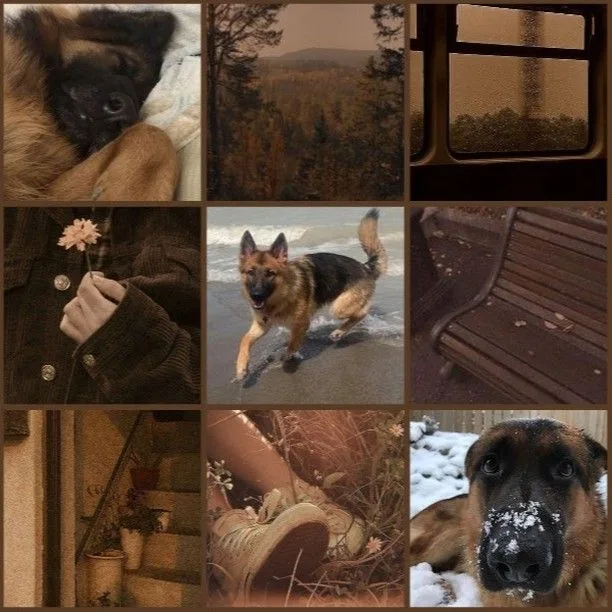
A German shepherd moodboard isn't just pretty pictures of pointy ears — done right, it's a working reference for your dog's coat, gear, and training life. Here's how to build one that saves you money and time instead of cluttering your Pinterest feed.
Advertisements1
- A German shepherd moodboard should have a written purpose — coat reference, gear fit, or training log — or it becomes clutter.
- Measure chest girth, neck, back length, and weight once, then pin those numbers so gear decisions are consistent.
- German shepherds are deep-chested with long backs, so pin real fit photos on similar builds before buying a harness.
- Caption training pins with the behavior and date to turn the board into a progress log you can show a trainer.
- Keep each section under about 30 pins and prune quarterly — skimmable boards get used, bloated ones don't.
Start With a Purpose, Not a Vibe
Before you pin a single photo, decide what the board is for. A breeder evaluating a litter needs a different board than a first-time owner choosing gear, and a rescue foster needs one for behavior notes and safe-space setups. Write that purpose in the board's description line so every pin has a job.
I keep three separate boards: one for coat and color reference, one for gear and fit, and one for training progress. Mixing them looked fine but made it impossible to find anything at 6 a.m. when I needed leash specs. Separate boards take two minutes to set up and save hours.
Do this, not that: label each board with a one-line purpose instead of naming them 'GSD inspo.' If you can't explain what a board is for in one sentence, you don't need it yet.
Build a Coat and Color Reference That's Genuinely Useful
German shepherd coats vary enormously — black and tan, sable, black, and the rarer liver and white — and photos on the internet are often color-edited. Pin three to five images per coat type from different lighting conditions, and note the source. If you're working with a breeder, ask for unedited photos in natural daylight; that's the single most reliable reference you'll get.
Add a pin for coat length too. Long-haired German shepherds need different grooming tools than standard coats, and a moodboard that ignores that sends you shopping for the wrong brush. I note the tool next to each coat pin — slicker brush for long coats, rubber curry for short — so the board doubles as a shopping list.
Keep a text note pin at the top of the board with the color names spelled out. It sounds obvious, but 'sable' and 'agouti' get used loosely online, and a short glossary stops you from pinning two different things under one label.
Use the Board to Nail Gear Fit Before You Buy
Gear is where a moodboard earns its keep. Pin photos of harnesses, muzzles, and crates with the size and brand visible, plus the measurement you used to choose it. German shepherds are deep-chested with long backs, so a harness that fits a lab often rubs at the shoulder — seeing real fit on a similar build prevents a return.
Measure your dog once and pin the numbers: chest girth, neck, back length, and weight. I keep a single note pin with those figures so every gear decision references the same data. When a product listing says 'fits most large breeds,' you can check it against your numbers in seconds.
Don't pin aspirational gear you can't afford or don't need. A board full of tactical harnesses for a puppy who needs a flat collar and a six-foot leash is clutter. Pin what you'll buy in the next three months, and archive the rest.
Turn Training Notes Into a Visual Log
A moodboard can track training progress if you treat it like a photo diary. Pin a short video or photo of a skill — loose-leash walking, a solid sit-stay, settling on a mat — with a caption noting the date and what worked. Over eight weeks you'll see real change, which is motivating on the days it feels like nothing is improving.
I use a simple naming convention: 'Week 3 — loose leash, 20 feet, treats every 5 steps.' That specificity makes the board a record instead of a scrapbook. It also helps when you work with a trainer, because you can show exactly where the struggle is.
Do this, not that: caption with the behavior and the date, not 'good boy today.' Future you needs the data.
Curate Ruthlessly and Keep It Skimmable
Pinterest readers skim, so build the board to be scanned. Group pins into sections — Coat, Gear, Training, Health, Home Setup — and keep each section under about 30 pins. Beyond that, the board stops being a reference and becomes a pile.
Prune quarterly. I set a 15-minute timer every three months and delete anything I haven't referenced or that no longer fits the board's purpose. It keeps the board fast to scan and honest about what I actually use.
Add a single 'start here' pin at the top with your dog's key stats and the board's purpose. That one pin answers most of the questions the board exists to answer.
Avoid the Common Moodboard Traps
The biggest trap is aesthetic drift — pinning dramatic photos of dogs in fields that tell you nothing about coat, gear, or behavior. They're fine as a small inspiration section, but if they dominate the board, it stops being useful. Cap inspiration pins at around 10 percent of the board.
Second trap: uncredited sources. Pin from breeder sites, veterinary resources, and reputable gear reviewers, and note where an image came from. It matters when you need to go back and read the full article.
Third trap: treating the board as a substitute for a vet or trainer. A moodboard organizes information; it doesn't diagnose a limp or fix reactivity. Keep professional contacts in a note pin so you know exactly who to call.
How to Do It, Step by Step
- 1Write the board's purpose in one sentence
Put it in the board description so every pin can be judged against it. This prevents aesthetic drift and keeps the board functional. - 2Create separate sections for coat, gear, training, and health
Sections under 30 pins each stay skimmable. Separate boards work too if you prefer. - 3Measure your dog and pin the numbers
Chest girth, neck, back length, and weight in a single note pin. Every gear pin references these figures. - 4Pin three to five daylight photos per coat type
Ask breeders for unedited natural-light images. Note the grooming tool needed next to each coat pin. - 5Caption training pins with behavior and date
Use a format like 'Week 3 — loose leash, 20 feet, treats every 5 steps.' Specificity makes it a log, not a scrapbook. - 6Set a quarterly 15-minute prune
Delete pins you haven't referenced and anything that no longer fits the board's purpose. Keep inspiration pins to about 10 percent. - 7Add a 'start here' pin at the top
Include your dog's stats, the board's purpose, and your vet and trainer contacts so the essentials are always one tap away.
A moodboard earns its place when every pin answers a question you'll actually ask at the pet store or in the training field.
Frequently Asked Questions
What should a German shepherd moodboard include?
Coat and color references in natural daylight, gear fit photos with measurements, dated training notes, and a health section with your vet's contact. Add a 'start here' pin with your dog's stats so the essentials are always at the top.
How many pins should a German shepherd moodboard have?
Keep each section under about 30 pins and cap pure inspiration images at roughly 10 percent of the board. Beyond that the board stops being a reference and becomes a pile you won't scan.
Can a moodboard help me choose gear for a German shepherd?
Yes, if you pin real fit photos on similar builds alongside your dog's chest girth, neck, and back length. German shepherds are deep-chested with long backs, so harnesses that fit other large breeds often rub at the shoulder.
How often should I update my German shepherd moodboard?
Prune quarterly with a 15-minute timer and add training pins weekly while you're actively working on a skill. Dated captions make progress visible over an eight-week stretch.
Is a moodboard a substitute for a trainer or vet?
No. A moodboard organizes information and tracks progress, but it can't diagnose a limp or fix reactivity. Keep your vet and trainer contacts in a note pin so you know exactly who to call.

Elena focuses on healthy cooking and meal prep for people with limited time and budget. She shares flexible recipes and shortcuts that don’t sacrifice flavor.


