

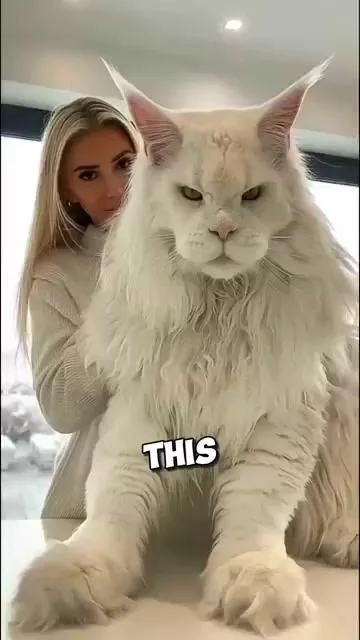
You've got a big, fluffy cat who thinks they're a lapdog—and you wouldn't have it any other way. Here's how to keep your gentle giant happy, healthy, and safely snuggling for years to come.
Advertisements1
- Large cats need joint-friendly play and furniture—avoid high jumps.
- Feed a high-protein, low-carb diet with measured portions, not endless kibble.
- Support their full body when holding; never lift by front legs.
- Daily brushing prevents painful mats—use a comb and slicker brush.
- Watch for arthritis signs like reluctance to jump; early intervention helps.
- Annual vet check-ups with heart and joint checks are non-negotiable.
Know Your Giant: Why Size Matters in Care
When I brought home my Maine Coon mix, Leo, I quickly learned that a 20-pound cat isn't just a bigger version of a 10-pound cat. Their joints, heart, and digestion all work differently. Large breeds like Maine Coons, Ragdolls, and British Shorthairs are prone to hip dysplasia and hypertrophic cardiomyopathy, so your vet check-ups should be extra thorough.
That means asking your vet to listen carefully to their heart at every visit and considering annual X-rays after age 5 to catch joint issues early. I also switched Leo from a standard cat tree to a reinforced, extra-wide one—because watching him wobble on a flimsy perch was a heart attack waiting to happen.
Practical tweaks like these make a world of difference. It's not about pampering—it's about preventing pain and injury in a body that's built differently.
Feeding Your Gentle Giant: Quality Over Quantity
Big cats don't automatically need more food—they need the right food. Overfeeding is the #1 mistake I see with large breeds. Leo was 22 pounds at his last vet visit, and my vet gently reminded me that a healthy weight for his frame is around 18. We switched to a high-protein, low-carb diet with a set portion (about 1 cup of dry food plus 1/2 can of wet per day, split into two meals).
Look for a food with a named protein (like chicken or salmon) as the first ingredient, and avoid fillers like corn and wheat. Also, consider a raised bowl—it reduces neck strain for big cats who have to bend down far to eat. I use a 4-inch-high ceramic bowl, and Leo eats more comfortably now.
Remember, treats count too. I measure out 10 small treats per day max, and I've swapped some for freeze-dried chicken bits, which are lower in calories than commercial treats.
Space That Fits: Creating a Giant-Friendly Home
Your gentle giant needs room to stretch, climb, and lounge without feeling cramped. I learned this when Leo tried to squeeze into a cardboard box meant for a normal cat—it was both hilarious and a little sad. Give them a large, sturdy cat tree with platforms at least 18 inches wide, and secure it to the wall so it doesn't tip.
Also, think about vertical space. Cats love height, but big cats need wider perches. Install wall shelves that are at least 12 inches deep, and make sure they're anchored into studs. Leo's favorite spot is a window perch I reinforced with an extra bracket—he can watch birds without stressing the hardware.
Don't forget floor space for play. A long hallway or a cleared living room area lets them chase toys without knocking over furniture. I push the coffee table aside for 10 minutes of play each evening—it's our bonding time and their exercise.
Handling and Cuddling: Respect Their Size and Limits
Gentle giants often love to be held, but their size means you need to support them properly. Never pick up a large cat by the front legs—that puts all their weight on their shoulders. Instead, scoop one hand under their chest and the other under their hindquarters, then hold them close to your body.
Leo loves to be a 'baby' in my arms, but I only do it for a minute or two before setting him down. He also enjoys being brushed while lying on his side—it's easier on his back than standing.
Watch their body language. A thumping tail or flattened ears means 'put me down.' Respect that, and they'll trust you more. I've learned that Leo prefers to cuddle on his terms: he'll jump on my lap when he's ready, and I let him initiate.
Play and Exercise: Keeping Big Cats Active Without Overdoing It
Large cats are prone to weight gain and joint issues, so daily play is essential—but you need to be smart about it. Aim for two 15-minute play sessions per day, using toys that encourage pouncing and chasing without high-impact jumps. A laser pointer is great, but always end with a physical toy they can 'catch' to avoid frustration.
Interactive toys like feather wands are perfect because you can control the movement. I use a 'fishing pole' toy with a stuffed mouse, and Leo goes wild—but I keep the movements low and smooth to protect his hips. Avoid encouraging them to leap from high surfaces repeatedly.
Also, consider puzzle feeders to engage their brain and slow down eating. I hide a few kibbles in a treat ball for Leo to bat around—it adds mental stimulation and burns a few extra calories.
Grooming the Giant: Managing That Luxurious Coat
Long-haired gentle giants like Maine Coons and Ragdolls need daily brushing to prevent mats and hairballs. I use a stainless steel comb and a slicker brush—the comb gets down to the skin, and the slicker catches loose fur. Leo actually purrs when I brush his belly, but I only do it when he's relaxed.
Pay special attention to the armpits, behind the ears, and the 'pants' area on their back legs—those are mat hotspots. If you find a mat, don't yank it out; use a mat splitter or carefully cut it out with safety scissors.
Bathing is rarely needed, but if you do bathe, use a cat-safe shampoo and have a helper. I've only bathed Leo twice in his life (once after a skunk encounter—don't ask). Regular nail trims every 2-3 weeks also help protect your furniture and your skin.
Health Monitoring: What to Watch for in Large Breeds
Knowing the common health issues for large cats can help you catch problems early. Besides hip dysplasia and heart disease, watch for signs of arthritis—like reluctance to jump or a change in grooming. Leo started skipping his favorite high perch at age 8, and we added a pet ramp to the sofa to make it easier for him.
Also, be aware of obesity-related diabetes. Regular weigh-ins at home (use a baby scale) can help you track changes. I weigh Leo monthly and log it in a note on my phone.
Keep up with annual vet visits, and consider blood work for seniors. Leo is 12 now, and his yearly blood panel has caught early kidney issues that we're managing with diet. Early detection is everything.
How to Do It, Step by Step
- 1Measure your cat's frame
Weigh your cat and consult your vet to determine a healthy target weight. Use a baby scale for accuracy—large cats can be deceptively heavy. - 2Upgrade your feeding station
Use a raised bowl (4-6 inches high) to reduce neck strain, and measure portions according to your vet's recommendation. - 3Reinforce your cat furniture
Check that cat trees and perches are sturdy and wall-anchored. Add extra support if needed to prevent tipping. - 4Adjust your play routine
Swap high-impact leaps for ground-level chasing toys, and keep sessions to 15 minutes twice daily to protect joints. - 5Create a daily grooming ritual
Use a metal comb and slicker brush daily, focusing on mat-prone areas. Keep sessions short and positive. - 6Monitor weight and mobility
Weigh monthly and note any changes in jumping or activity. Report concerns to your vet promptly.
A gentle giant isn't just a bigger cat—it's a different set of needs, and meeting them is what builds a bond that lasts.
Frequently Asked Questions
Are gentle giant cats more affectionate?
Yes, many large breeds like Ragdolls and Maine Coons are known for their loving, dog-like personalities, but every cat is an individual.
What is the best diet for a large cat?
A high-protein, low-carbohydrate food with a named meat as the first ingredient, portioned to maintain a healthy weight.
How can I tell if my large cat is overweight?
You should be able to feel their ribs easily, and they should have a visible waist when viewed from above.
Do gentle giant cats need special litter boxes?
Yes, use a large, open litter box with high sides to accommodate their size, and keep it clean daily.
What health issues are common in large cat breeds?
Hypertrophic cardiomyopathy, hip dysplasia, and arthritis are common, so regular vet check-ups are crucial.

Maya writes about sustainable living and zero-waste swaps for everyday families. She focuses on small, budget-friendly changes that actually stick, tested in her own chaotic kitchen.


