

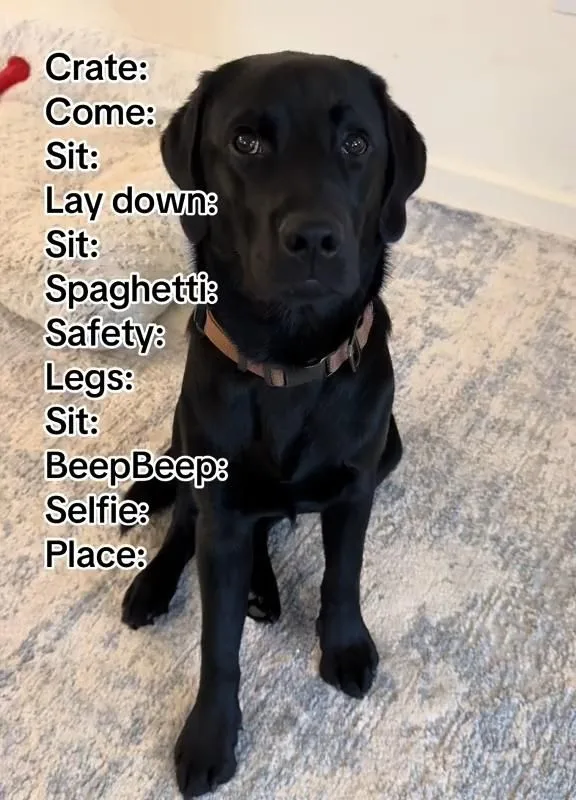
Bringing home a new puppy is chaos—chewed shoes, indoor accidents, and a dog who thinks 'come' means 'run away faster.' But with the right techniques, you can build a calm, obedient companion. These five tips are the foundation I use with every dog I train, and they work for any breed or age.
Advertisements1
- Keep training sessions to 5-10 minutes to match your dog's attention span.
- Reward within 2 seconds to ensure your dog connects the behavior to the treat.
- Use high-value treats (chicken, cheese) in distracting environments, not just kibble.
- Crate training speeds up housebreaking and gives your dog a safe den.
- Socialize your puppy with 100+ new experiences before 16 weeks to prevent fear.
- End each session on a successful note to build confidence and enthusiasm.
Start with the Right Mindset: Patience Over Perfection
Training a dog is a marathon, not a sprint. In my experience, most training failures come from owners expecting too much too soon. A puppy has the attention span of a goldfish—around 5-10 seconds per session—so keep sessions short and fun. If you get frustrated, stop. End on a positive note, even if it's just a simple 'sit' you know they'll nail. This builds your dog's confidence and your bond.
Master the Art of Timing: Reward Within 2 Seconds
Dogs live in the moment. If you mark the behavior with a click or a 'yes!' and reward within 2 seconds, your dog connects the action to the reward. Miss that window, and you're rewarding the wrong thing. For example, if you ask for a sit, and your dog sits but then stands up before you give the treat, you've just reinforced 'sit then stand.' Use a marker word like 'yes' or a clicker to bridge the gap. Practice your timing; it's the difference between a confused dog and a brilliant one.
Use High-Value Treats Strategically
Not all treats are equal. In a distraction-free living room, kibble might work. But outside, with squirrels and cars, you need something your dog dreams about—think tiny pieces of boiled chicken, hot dog, or cheese. Cut them into pea-sized bits (about 1/4 inch) to avoid overfeeding. For a 30-pound dog, a training session of 20 treats adds up to roughly 30 calories—about 2% of daily intake, so adjust meals accordingly. Save the high-value stuff for tough situations, and use kibble for easy ones.
Crate Training Is Your Secret Weapon
A crate isn't a prison; it's a den. Done right, it becomes your dog's safe space and your best tool for house training and preventing destructive behavior. Start by feeding meals inside the crate with the door open. Then close the door for short periods while you're home, gradually increasing time. Never use the crate as punishment. A good rule of thumb: a puppy can hold their bladder for about one hour per month of age, plus one—so a 3-month-old can go about 4 hours max. Crate training accelerates clean house habits.
Socialize Early and Often—Safely
The critical socialization window closes at around 16 weeks. Missing it can lead to fear and aggression later. Expose your puppy to new people, dogs, sounds, and surfaces every day, but do it at their pace. For every positive experience, your dog builds resilience. Start with low-key environments, like a friend's backyard, before hitting the dog park. Watch for signs of stress: tucked tail, yawning, lip licking—if you see them, back off and increase distance. Aim for at least 100 new experiences in the first 3 months.
How to Do It, Step by Step
- 1Set up a regular schedule
Feed, walk, and potty at the same times daily. Predictability reduces anxiety and accelerates house training. For example, take your puppy out first thing in the morning, after every meal, and before bed. - 2Choose a marker word like 'yes'
Before teaching any command, condition your dog to associate 'yes' with a treat. Say 'yes' and immediately give a treat, repeating 10-15 times. This creates a clear communication channel. - 3Teach 'sit' first
Hold a treat near your dog's nose, then move it up and back over their head. As their head follows, their bottom will lower. The moment they sit, say 'yes' and reward. Practice 5 times, then take a break. - 4Practice 'come' with a long leash
In a safe, fenced area, let your dog wander, then call their name and 'come' in a happy tone. When they reach you, reward with a jackpot of 3-4 treats. This teaches them that coming to you is always amazing. - 5End every session on a win
Always stop before your dog gets bored. If you've done 5 successful reps, quit. This leaves them wanting more and keeps the training positive.
Timing is everything—if you're late with the reward, you're training the wrong behavior.
Frequently Asked Questions
How long does it take to train a puppy?
Basic obedience like sit and come can be learned in 1-2 weeks with daily 10-minute sessions. But solid, reliable behavior takes months of consistent practice and proofing in different environments.
What is the best age to start training a puppy?
You can start basic training at 8 weeks old, but keep sessions very short and play-based. Formal obedience classes are often recommended after 10-12 weeks, once they've had initial vaccinations.
How do I stop my dog from pulling on the leash?
Stop walking when your dog pulls, and only move forward when the leash is loose. This teaches them that pulling gets them nowhere. Use treats to reward walking by your side, and practice in low-distraction areas first.
What should I do if my dog is not food motivated?
Use toys, praise, or play as rewards instead of food. Some dogs prefer a game of tug or a favorite ball. Find what excites your dog and use that as the reward for good behavior.
Is it ever too late to train an adult dog?
No, adult dogs can learn new behaviors, but it may take longer if bad habits are ingrained. Use the same positive reinforcement techniques, and be extra patient—older dogs are often more focused and easier to handle than puppies.

Diego covers personal finance and investing for freelancers and gig workers. His angle is practical money management for irregular income, from budgeting to tax basics.


