

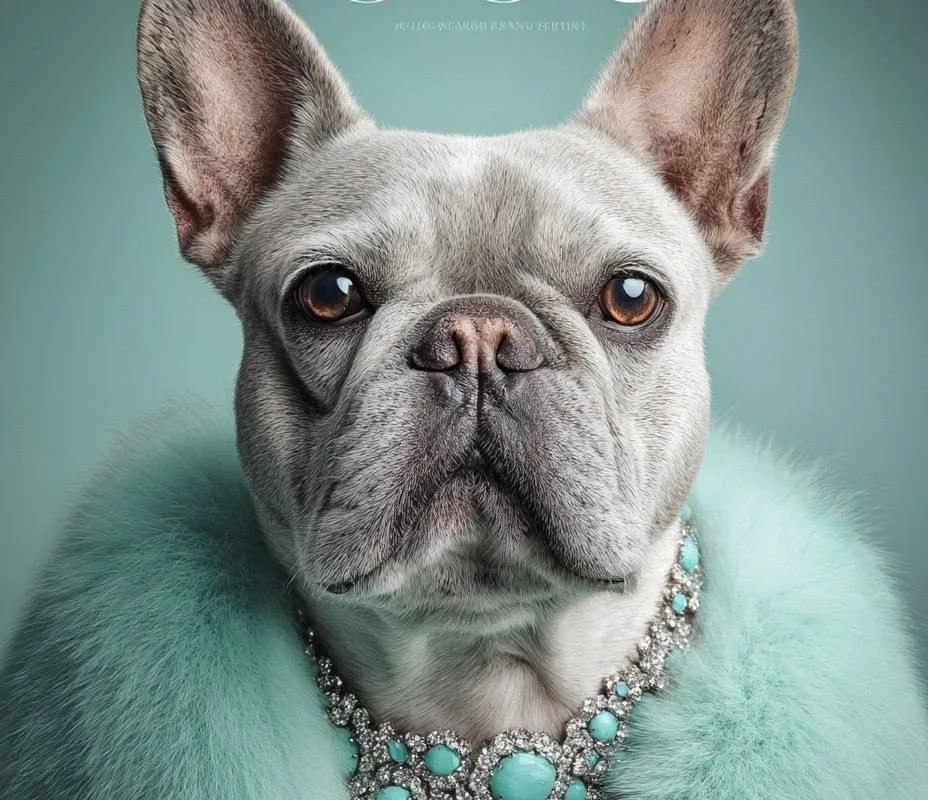
Diamonds and fur have a reputation problem — people assume you need a mansion and a stylist to pull them off. You don't. What you need is a few rules about proportion, contrast, and knowing when to stop, and I'm going to walk you through them like a friend who's been there.
Advertisements1
- One hero piece per outfit — diamonds or fur, not both competing for attention.
- Cut grade matters more than carat weight; spend your budget there first.
- Real fur needs cold storage at 45–50°F and breathable bags, never plastic.
- Estate diamonds typically sell for 30–50% below retail for comparable specs.
- Attitude is posture, pace, and eye contact — all learnable, none innate.
- Contrast high-value pieces with casual basics to keep the look modern.
Start With the Rule of One: Let One Piece Do the Talking
Here's the mistake I see most on Pinterest boards: a diamond tennis necklace, diamond studs, a diamond bracelet, and a fur coat, all at once. The result isn't glamorous — it's noisy, like four people at a dinner party all telling stories at the same time.
The fix is simple. Pick one hero piece and let everything else play a supporting role. If the fur coat is the star, wear plain gold hoops and skip the diamonds entirely. If the diamonds are the star, swap the fur for a wool coat in a solid color.
Think of it like seasoning a stew. You don't add every spice in the cupboard just because you own them. One or two, used well, make the whole thing taste better. The same logic applies to getting dressed.
Learn the Four Cs Before You Spend a Cent on Diamonds
The four Cs — cut, color, clarity, and carat — are the grading criteria jewelers use to price a stone. In plain English: cut is how well the stone reflects light, color is how white (or yellow) it looks, clarity is how free it is of internal flaws, and carat is the weight.
Here's the part most guides bury: cut matters more than the other three combined. A 0.90-carat stone with an excellent cut will look brighter and bigger than a 1.10-carat stone with a fair cut, and it usually costs less. If your budget is fixed, spend it on cut first, then carat, then color, then clarity.
For clarity, aim for VS2 or SI1 — flaws at that grade are invisible to the naked eye. For color, G or H is white enough that almost no one can tell it apart from D in a setting. That's how you get a stone that looks twice its price.
Fur: Know What You're Buying (and What It Costs to Keep)
Real fur and faux fur behave like two different animals, literally. Real fur — mink, fox, shearling — drapes, breathes, and ages gracefully if stored correctly. Faux fur is acrylic or modacrylic, which means it's cheaper, easier to clean, and doesn't need climate-controlled storage.
If you go real, budget for care. Mink should be stored at 45–50°F with low humidity during summer, which usually means professional cold storage at roughly $50–$150 per season. Never hang it in a plastic garment bag — the fur needs to breathe, and trapped moisture dries out the leather underneath.
If you go faux, check the pile direction and density. Run your hand against the grain; a good faux fur springs back and feels dense at the base. Cheap faux fur feels flat and sheds on your coat within a week. And shake it out over a bathtub before you wear it the first time — that's the shedding you can prevent.
Mix High and Low So the Look Reads Modern, Not Costume
Wearing diamonds with a ballgown is easy. Wearing diamonds with a plain white tee and straight-leg jeans is a skill — and it's the look that actually turns heads in 2024.
The principle is contrast. Expensive pieces look more expensive when they're paired with something casual, because the contrast signals confidence rather than effort. A diamond line bracelet with an oversized cotton shirt and loafers. A vintage fur stole over a hoodie. The tension is the point.
What to avoid: matching your jewelry to your outfit's formality level too precisely. Head-to-toe formal reads as a costume; head-to-toe casual reads as errands. The interesting zone is in the middle, where one piece is clearly out of place and clearly on purpose.
Attitude Is a Fit Issue, Not a Personality Trait
People talk about "attitude" as if it's something you're born with. It isn't. It's mostly posture, pace, and eye contact — three things you can practice.
Stand with your shoulders back and your chin level. Walk slightly slower than feels natural; rushing signals nervousness. And when you enter a room, look at people before you look at your phone. That's it. That's the whole trick.
The reason this matters for a diamonds-and-fur look specifically: heavy, shiny pieces draw the eye, and if you're shrinking into them, they wear you. If you're standing tall, you wear them. Same outfit, completely different result.
Buy Pre-Owned Diamonds and Vintage Fur Like a Pro
The secondary market is where the value lives. Estate diamonds often sell for 30–50% less than retail for comparable specs, and vintage fur from the 1960s–80s is frequently better constructed than modern equivalents.
For diamonds, ask for the original grading report (GIA is the standard) and have an independent appraiser look at it before you pay — expect to spend $75–$150 for that service, which is cheap insurance. For fur, check three things: the seams (should be supple, not cracking), the lining (should be intact and not pulling), and the smell (musty means moisture damage).
One more thing: try before you buy, always. Photos hide fit, and fit is everything.
How to Do It, Step by Step
- 1Pick your hero piece first
Choose either the diamonds or the fur as the star of the outfit, then build everything else around it in plain, quiet pieces. This prevents the 'everything at once' look that reads as costume. - 2Prioritize cut over carat
When diamond shopping, ask to see stones with excellent or ideal cut grades first, even if they're smaller. A well-cut 0.9-carat stone outperforms a poorly cut 1.1-carat stone visually and often costs less. - 3Check the grading report and get an appraisal
Insist on a GIA (or equivalent) report for any diamond over 0.5 carats, and pay for an independent appraisal before purchase. It costs $75–$150 and protects you from overpaying. - 4Test faux fur density by hand
Run your hand against the pile. Good faux fur springs back and feels thick at the base; cheap fur lies flat and sheds. Shake it over a bathtub before first wear. - 5Store real fur correctly
Use breathable garment bags, never plastic, and arrange cold storage (45–50°F, low humidity) during warm months. Budget $50–$150 per season. - 6Practice the posture check
Before you leave, stand tall, level your chin, and slow your walk by about 10%. Heavy jewelry and fur look better on someone who isn't rushing. - 7Mix one formal piece with casual basics
Pair a diamond bracelet with a white tee and jeans, or a fur stole with a hoodie. The contrast is what makes the look feel modern rather than dated.
A well-cut diamond and a well-kept fur don't need an audience — they need someone standing tall enough to wear them.
Frequently Asked Questions
Are diamonds a good investment?
Generally no — diamonds are a consumer purchase, not an investment, because resale values typically run 30–50% below retail. Buy them because you love wearing them, and treat any appreciation as a bonus rather than a plan.
How can you tell if fur is real or fake?
Check the base: real fur is attached to leather or skin, while faux fur is stitched to a woven fabric backing. You can also part the fur — real fur shows fine individual hairs emerging from the skin, while faux fur tends to look uniform and slightly plastic.
What is the most important of the four Cs?
Cut is the most important because it determines how much light the stone returns to your eye, which is what makes a diamond sparkle. A well-cut smaller stone will consistently outshine a poorly cut larger one.
Can you wear diamonds during the day?
Yes — and you probably should. Daytime diamonds paired with casual clothing like a white tee, denim, or knitwear look modern and confident, while head-to-toe formal daytime diamonds can read as dated.
How should I store a fur coat at home?
Hang it on a broad padded hanger in a breathable garment bag in a cool, dark closet away from heat and sunlight. Never use plastic, and avoid storing it in a damp basement or attic, both of which damage the leather underneath.

Kwame writes about technology and digital privacy for everyday users. He breaks down complex topics like data tracking and encryption into simple, relatable terms.


