

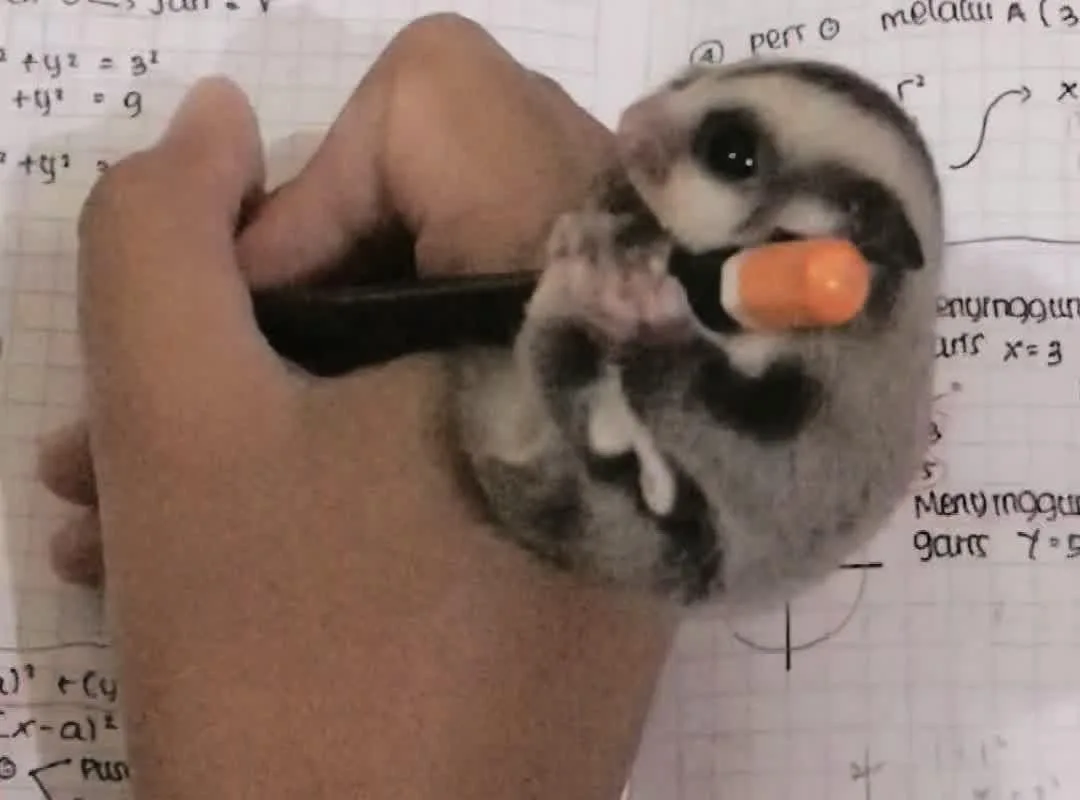
Most cute-pet photos fail for a boring reason: the animal is adorable, but the shot is blurry, cluttered, or shot at eye level with a phone flash. This guide fixes that with concrete, do-this-not-that advice on lighting, timing, grooming, and daily care — the same small adjustments that took my keeper rate from roughly 1 in 20 shots to 1 in 4.
Advertisements1
- Window light at eye level beats any phone flash — it's the single highest-impact change you can make.
- Burst mode raises your keeper rate dramatically; head tilts and slow blinks last under a second.
- One novel sound gets a better expression than repeating your pet's name three times.
- A 5-minute grooming routine (eyes, fur, nose) does more for a photo than a new lens.
- Two minutes of daily scent work produces the curious, relaxed behavior that actually looks cute.
- Skip full-body costumes — they hide the ear and tail movement that carries most expression.
Start With Light, Not With the Pet
The single biggest variable in a cute-pet photo is light, and it's the one most people ignore. Phone flashes flatten fur texture and produce the dreaded green-eye in cats, so the fix is simple: turn the flash off permanently and move the animal to a window instead.
Do this: place your pet parallel to a north- or east-facing window between 9 a.m. and 11 a.m., when light is soft and directional. That side light rakes across fur and creates the texture that reads as "cute" to the human eye — soft highlights on the muzzle, a gentle shadow under the chin.
Don't do this: shoot at noon under direct sun or with overhead kitchen lighting. Both create harsh shadows under the brow that make eyes look dark and small, which kills the expressive quality you're after. If you only have overhead light, tape a sheet of white printer paper over the lamp as a crude diffuser — it costs nothing and works surprisingly well.
Get Down to Their Eye Level
Ninety percent of amateur pet photos are taken standing up, looking down. That angle makes a 4 kg cat look like a small, distant object and exaggerates the floor. The fix takes two seconds: kneel, sit, or lie on the floor so your lens is level with your pet's eyes.
At eye level, the animal's face fills more of the frame and the background compresses into a soft blur, especially if you tap-to-focus on the eyes and hold. On most phones, locking focus on the eye and then dragging exposure down by about half a stop deepens the color in dark fur and stops white fur from blowing out.
One practical detail: keep a small towel or yoga mat nearby. Lying on a hard floor for 30 seconds is fine; lying there for five minutes while your cat wanders off is not. Set up the shot before you bring the pet in.
Shoot the Micro-Expressions, Not the Pose
Cute is not a pose — it's a fleeting expression. The head tilt, the slow blink, the one-ear-up listening face. These last less than a second, so the technique matters more than the gear.
Do this: use burst mode (hold the shutter on iPhone, or set continuous shooting on Android) and fire 8–12 frames the moment the ears move. My keeper rate on head tilts went from almost zero to about one usable frame per three bursts once I stopped trying to time a single press.
Don't do this: call the pet's name repeatedly to get attention. After the third call, most animals disengage and you get flat, bored expressions. Instead, make one novel sound — a soft click of the tongue or a crinkle of a treat bag — get the alert look, shoot the burst, then stop. Two or three attempts per session is the realistic limit before attention collapses.
Groom for the Camera, Not Just for Hygiene
There's a reason professional pet portraits look different from snapshots, and it's usually grooming, not the camera. A 5-minute pre-shoot routine makes a measurable difference.
– Wipe the eye corners with a damp cotton pad — tear staining is the most common detail that reads as "unkempt" in close-ups.
– Brush the fur in the direction of growth, then fluff the chest and cheeks with your fingers to add volume.
– Wipe the nose with a barely damp cloth; a dry, crusty nose photographs dull.
– Clean the food bowl and water bowl before shooting near them, since the background clutter is often the real problem.
For long-haired cats and dogs, a slicker brush followed by a metal comb catches the loose undercoat that catches light as grey fuzz. Skip bathing right before a shoot — freshly washed fur is often flat and flyaway, and most animals look better 24 hours after a bath.
Build a Two-Minute Daily Enrichment Habit
Cute behavior is largely a byproduct of a relaxed, stimulated animal. A bored pet sits in a loaf and stares at you; an enriched pet investigates, tilts, pounces, and produces the moments you actually want to photograph.
A workable routine: two minutes of scent work in the morning and five minutes of play in the evening. For scent work, scatter a handful of kibble across a snuffle mat or a folded towel — this engages the nose, which is the dominant sense for both cats and dogs, and it tires them out faster than physical exercise alone.
For play, match the toy to the species. Wand toys with a feathered end trigger the stalk-and-pounce sequence in cats within seconds; a flirt pole does the same for dogs in a small space. Rotate toys every three days — novelty drives engagement, and a toy left out for a week becomes furniture.
Skip the Costume, Keep the Charm
Costumes photograph badly more often than they photograph well, and the reason is anatomical. Full-body outfits compress fur, hide the silhouette, and restrict the ear and tail movement that carries most of an animal's expression.
If you want a themed shot, use one accessory maximum: a bandana, a bow on the collar, or a seasonal blanket the pet is already used to. Introduce it during play, not during the shoot, and pair it with a treat so the association is positive. If the animal freezes, flattens its ears, or tries to back out of the item, stop — a stressed pet never reads as cute on camera, no matter how good the outfit is.
The same logic applies to props. A single textured surface — a knit blanket, a wooden crate, a linen cushion — gives visual interest without competing with the face. Three props is clutter; one is a set.
Care Fundamentals That Keep Them Looking Cute
Adorable is downstream of healthy. Dull coat, weepy eyes, and low energy all show up in photos before they show up at the vet, so treat appearance as an early signal rather than a vanity metric.
– Weight: you should feel ribs easily under a light hand but not see them sharply. Obesity is the most common preventable issue in indoor cats, and it changes posture and face shape within a few months.
– Dental: bad breath is the number-one early sign of periodontal disease, which affects most dogs over three. Weekly brushing with pet-specific paste is the realistic target.
– Hydration: cats are notoriously poor drinkers. A running water fountain measurably increases intake for many cats compared with a still bowl.
– Nails: trim every 2–3 weeks. Overgrown nails change gait and get caught in fabric, which is both a welfare and a photo problem.
None of this requires special equipment. It requires a short, repeatable checklist — and consistency beats intensity every time.
How to Do It, Step by Step
- 1Turn off the flash
Disable flash in your phone camera settings before you start. Flash flattens fur texture and causes green-eye in cats; window light produces better results in every indoor scenario. - 2Set up at eye level
Kneel or lie on the floor so your lens is level with your pet's eyes. This fills the frame with the face and compresses the background into a soft blur. - 3Lock focus on the eye
Tap and hold on the eye to lock focus and exposure, then drag exposure down about half a stop. This preserves detail in both dark and white fur. - 4Shoot in bursts
Hold the shutter for 8–12 frames the moment the ears move or the head tilts. Micro-expressions last under a second; bursts are the only reliable way to catch them. - 5Make one novel sound
Use a single tongue click or treat-bag crinkle instead of repeating the pet's name. One alert look beats three bored ones. - 6Do a 5-minute groom
Wipe eye corners, brush with the grain, fluff the chest, and wipe the nose. Small details read as 'well cared for' in close-ups. - 7Use one prop maximum
Choose a single textured surface or one worn accessory. Introduce it during play beforehand so the pet associates it with treats, not restraint. - 8Run a 2-minute scent game daily
Scatter kibble across a snuffle mat or folded towel. Nose work tires the animal faster than physical exercise and produces the curious, alert behavior worth photographing.
Cute isn't a pose you catch; it's a byproduct of a relaxed, well-cared-for animal in good light.
Frequently Asked Questions
How do I take cute photos of my pet with just a phone?
Turn off the flash, get down to eye level, and shoot in burst mode next to a window. Soft side light plus an eye-level angle does more for a phone photo than any app or filter.
Why does my cat look angry in photos?
Overhead lighting casts shadows under the brow that make eyes look dark and small. Move to window light and lower your camera to eye level, and the same cat will read as soft and expressive.
Should I dress my pet in costumes for photos?
Usually no — full-body outfits compress fur and restrict ear and tail movement, which is where most expression lives. If you want a theme, use one accessory the pet already associates with treats.
How often should I groom my pet for photos?
A 5-minute routine before each shoot is enough for most short-haired animals. Long-haired cats and dogs benefit from a slicker brush plus a metal comb two to three times a week to control loose undercoat.
What's the fastest way to make my pet more photogenic?
Daily enrichment. Two minutes of scent work and five minutes of play produce an alert, relaxed animal — and that behavior is what actually reads as cute on camera.

Kenji covers tech productivity and digital minimalism for remote workers. He writes about streamlining workflows and cutting digital clutter with a focus on mental clarity, not just efficiency.


