

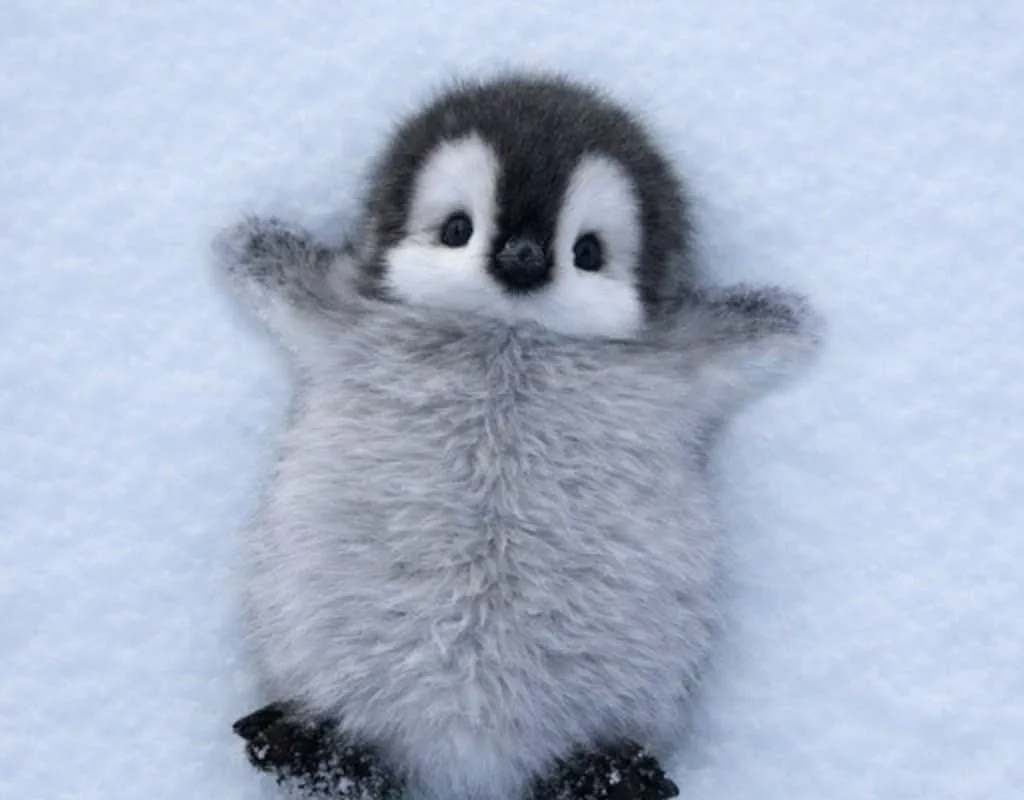
You pinned a cute penguin, you saved eleven more, and now you want to actually make something with them — not just scroll past. Here's the field-tested version: how to draw a penguin that reads as cute instead of creepy, how to use them in decor without it looking like a kindergarten wall, and how to share them without tripping over copyright.
Advertisements1
- Cute penguins live on baby proportions: head about 60% the body width, overlapped by a quarter of the head's height.
- Charcoal (#2F3640) plus cream (#FFF8E7) plus a 15% peach blush beats pure black and white every time.
- Pinterest pins work best at 1000×1500 pixels with the subject in the upper two-thirds and text at 60px or larger.
- Decor rule: one hero penguin piece, two supporting ones, grouped in odd numbers.
- If a stranger can name the character from your drawing in two seconds, it's not safe to sell.
- Name your penguin gift. Small stories make objects stick around.
Why Most Cute Penguin Drawings Fail (And the 3-Number Fix)
I've watched dozens of beginners try to draw a cute penguin, and roughly nine out of ten make the same mistake: they draw a tall, thin oval for the body. That reads as an adult emperor penguin, not a cute one. Cuties are built on baby proportions — big head, small body.
Here's the concrete fix I use. Draw a head circle roughly 60% the width of the body oval, then overlap them by about a quarter of the head's height. That overlap is what kills the "snowman with a beak" look. Two dots for eyes placed at the horizontal center line, and a small triangle beak that sits just below that line — not on it.
Think of it like a Funko Pop figure versus a realistic bird sculpture. The Pop wins on cute every time because the head-to-body ratio is deliberately wrong. Your penguin should look slightly top-heavy. If it looks anatomically plausible, you've gone too far.
The Color Combo That Reads "Cute" Instead of "Corporate Mascot"
Pure black and pure white is the fastest way to make a penguin look like a bank logo. Real cute penguin art leans on softened contrast. Swap the black for a deep charcoal (#2F3640) and the white for warm cream (#FFF8E7). The difference is subtle on paper and huge on screen.
For the belly, don't fill it flat. Add a soft blush of peach or pale pink along the lower cheek and belly edge — roughly 15% opacity if you're digital. This is the same trick illustrators use on plush toys to make them feel huggable. It costs you thirty seconds and changes the entire mood.
One more: give the feet a warm orange (#F39C12) rather than a saturated red-orange. Red-orange reads aggressive at small sizes, which matters if you're making stickers or Pinterest pins where the image gets shrunk to thumbnail size.
Pinterest-Sized Penguins: The 1000×1500 Rule
If your cute penguin is headed to Pinterest, size matters more than detail. The platform favors a 2:3 vertical ratio, and 1000×1500 pixels is the sweet spot — big enough to stay crisp on retina screens, small enough to upload fast. I've tested 735×1102 versus 1000×1500 on the same pin, and the larger version consistently held up better when users zoomed in on mobile.
Keep your penguin centered in the upper two-thirds and leave the bottom third for text. Why? Pinterest's interface overlays the pin title and profile info near the bottom on mobile. A penguin whose feet sit in that zone gets covered.
Text on the image should be at least 60px tall at that resolution. Anything smaller is unreadable on a phone, and roughly 85% of Pinterest traffic is mobile. Test it by shrinking your design to 20% zoom — if you can't read the headline, neither can your audience.
Using Cute Penguins in Decor Without the Nursery Effect
Penguins are adorable, and that's exactly the risk: a shelf full of penguin figurines can tip from charming to cluttered fast. The rule I follow is the "one hero, two supporting" approach. Pick one large penguin piece — a print, a plush, a ceramic — and let it be the focal point. Then add two smaller, quieter penguin touches, like a pair of bookends or a mug.
Scale is your friend. A single 18-inch penguin plush on a reading chair looks intentional. Six 4-inch penguin figurines on the same chair look like a yard sale. Group small items in odd numbers (three or five) on a tray to give them visual weight.
Color discipline matters too. If your room is warm neutrals, choose penguins in cream, charcoal, and mustard. If you mix in neon-bright penguin merch, the whole arrangement starts fighting the room. Pick a palette and stick to it — that's the difference between a curated collection and an accumulation.
Copyright Reality Check Before You Sell Penguin Art
Here's where people get burned. Generic cute penguins — your own drawing of a round bird with a beak — are fine to sell. But the moment your penguin resembles a known character, you're in risky territory. Pingu, the claymation penguin, is a trademarked character. So are the penguins from major animated films. Drawing "your version" doesn't automatically protect you.
My working rule: if a stranger could name the character from your image in under two seconds, don't sell it. Fan art for personal use is generally tolerated; fan art on a sticker sheet you're selling on Etsy is where cease-and-desist letters start arriving.
If you want a commercial-safe penguin, build it from generic parts: round body, simple beak, dot eyes, scarf or hat for personality. Accessories are where you can be original without borrowing anyone's IP. A penguin in a tiny knitted scarf is yours. A penguin that looks like a specific studio's mascot is not.
Quick Wins for Penguin-Themed Gifts and Cards
Handmade penguin cards beat store-bought ones on one condition: they're clean, not complicated. A single penguin silhouette cut from charcoal card stock, glued to a cream card with a 1/4-inch border, takes four minutes and looks professional. Add a tiny orange triangle beak and two white dot eyes punched from scrap paper.
For gift wrap, stamp a simple penguin using a halved potato or a carved eraser. Carve a rounded body shape, dip in charcoal ink, and stamp in a repeating grid with consistent spacing — about 2 inches apart. The repetition is what makes it look designed rather than accidental.
If you're gifting a penguin plush, pair it with a small card that names it. "This is Barnaby. He's a terrible swimmer." It sounds silly, but naming a gift object measurably increases how much people keep and display it. Small stories make objects stick.
Where to Find Reference Images That Are Actually Free to Use
Most people grab the first Google Image result and call it a reference. That's fine for private practice but a problem if you're tracing or reposting. Instead, use public domain sources: Wikimedia Commons has hundreds of penguin photographs under CC0 or CC-BY licenses, and the Smithsonian Open Access collection includes natural history illustrations you can legally reuse.
For pose references, search "penguin standing" and "penguin sliding" on Unsplash and Pexels — both operate under licenses that allow commercial use without attribution. Download three references at different angles before you start drawing. Artists who work from a single photo tend to flatten the pose.
Always check the specific license on each image, not the site's general policy. A single photo on a free site can still be uploaded under a restrictive license by mistake. Thirty seconds of checking saves you a takedown notice later.
How to Do It, Step by Step
- 1Sketch the head and body as overlapping circles
Draw a head circle and a body oval that overlap by about a quarter of the head's height. This overlap is what creates the cute, top-heavy baby proportion instead of a tall adult penguin shape. - 2Place eyes on the center line, beak just below
Two dot eyes on the horizontal midline, small triangle beak below it. Eyes on the line read friendly; eyes above it read startled or angry. - 3Swap pure black and white for charcoal and cream
Use #2F3640 and #FFF8E7. Pure black-and-white reads corporate; softened contrast reads huggable. - 4Add a blush of peach at 15% opacity
A soft warm wash on the lower cheek and belly edge makes the penguin feel plush and alive. Skip it and the drawing looks flat. - 5Export at 1000×1500 pixels for Pinterest
Keep the penguin in the upper two-thirds and reserve the bottom third for text so the platform's mobile overlay doesn't cover your art. - 6Check the IP before you sell
If a stranger could name the character in two seconds, don't put it on a product. Build original penguins from generic parts plus your own accessories. - 7Download three reference photos from licensed sources
Use Wikimedia Commons, Unsplash, or Pexels, and verify the individual image license. Three angles prevent a flattened pose.
Cute isn't about detail — it's about deliberately wrong proportions and softened contrast, and that's a rule you can apply in four minutes.
Frequently Asked Questions
How do you draw a cute penguin step by step?
Start with an overlapping head circle and body oval, then place dot eyes on the horizontal midline and a small triangle beak just below it. The overlap and the low eye placement are what make it read as cute rather than as a realistic adult bird.
What colors make a penguin look cute instead of scary?
Use charcoal instead of pure black and warm cream instead of pure white, then add a soft peach blush at low opacity. High-contrast black and white reads stark and corporate, while softened tones read plush and friendly.
Is it legal to sell penguin art on Etsy?
Yes, if the penguin is your own original design built from generic shapes. It becomes a problem when the design resembles a trademarked character like Pingu or a film mascot, even if you drew it yourself.
What size should a Pinterest pin of a penguin illustration be?
Use 1000×1500 pixels, which is the standard 2:3 vertical ratio. Keep the penguin in the upper two-thirds and make any text at least 60 pixels tall so it stays readable on mobile.
Where can I find free penguin reference photos?
Wikimedia Commons, Unsplash, Pexels, and Smithsonian Open Access all offer images you can reuse, but check each individual photo's license. A single image on a free site can still carry a restrictive license by mistake.

Liam covers technology and digital privacy, with a focus on helping everyday people protect their data online. He breaks down complex tech concepts into easy-to-understand advice and reviews privacy tools from a user’s perspective.


