

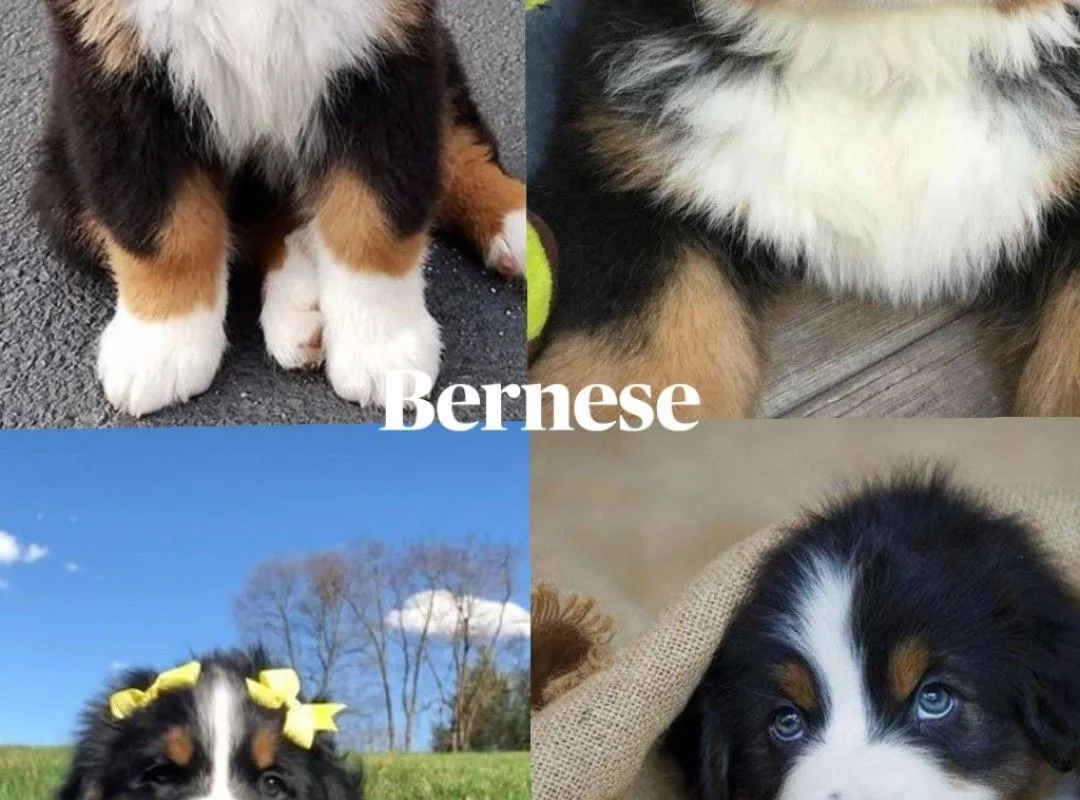
A Bernese Mountain Dog walks into your life like weather — slowly, then all at once. This guide is for the people who saw that soft tricolor face on a screen and felt something shift, and who want the real, grounded advice before they bring one home.
Advertisements1
- A Bernese typically lives six to eight years — plan for quality of life, not quantity.
- Hip, elbow, and genetic screening on both parents is non-negotiable.
- Limit forced exercise until growth plates close around twelve to fourteen months.
- Never shave the double coat; thin the undercoat and provide shade instead.
- Keep the dog lean and feed smaller meals to reduce joint strain and bloat risk.
Choosing a Bernese: Read the Breeder Before the Puppy
The first thing you learn about Bernese Mountain Dogs is that they are not a breed you buy quickly. They are large, deeply affectionate, and — this is the part nobody puts on the poster — short-lived. A realistic lifespan is six to eight years, sometimes nine. That number should shape every decision you make, starting with where the puppy comes from.
Ask to see both parents, on site, and ask for their hip and elbow scores under a recognized scheme such as the Orthopedic Foundation for Animals or the equivalent in your country. Ask whether the litter was screened for von Willebrand disease and degenerative myelopathy. A good breeder will answer without flinching. A breeder who deflects those questions is telling you something.
I once visited a farm in the Jura where the dogs slept in the hay and the breeder knew every ancestor by name. She refused to sell to a family who worked ten-hour days. That refusal was the best sign of quality I saw all year.
The First Year: Slow Bones, Long Shadows
A Bernese puppy grows at a startling rate — often gaining a kilogram or more a week in the first months. That speed is fragile. Rapid growth on a calorie-dense diet is linked to joint problems later, so feed a large-breed puppy formula with controlled calcium and protein, and let the puppy carry its own weight up stairs rather than lifting it like a sack of flour.
Keep formal exercise gentle until the growth plates close, usually around twelve to fourteen months. Five minutes of walking per month of age, twice a day, is a reasonable rule of thumb. Free play in a garden is fine; forced jogging beside a bicycle is not.
Socialize early and widely, but in small doses. A Bernese that meets twenty calm strangers by sixteen weeks is a different adult from one that met two. Carry the puppy to a café, let it hear a bus, sit on a bench and watch the world. The window closes faster than you think.
Heat Is the Quiet Enemy
This is a mountain dog with a thick double coat, and it does not do well in warmth. Above roughly 24°C, a Bernese is uncomfortable. Above 28°C, it is at genuine risk. Walk at dawn or after dusk, not at noon, and touch the pavement with the back of your hand — if it is too hot to hold for five seconds, it is too hot for paws.
Provide shade that moves with the sun, not a fixed kennel. A child's paddling pool in the shade of a tree, refreshed each morning, will be used more than any expensive bed. Watch for heavy panting that does not settle, drooling, or a glazed look; those are signs to cool the dog immediately with cool — not ice-cold — water on the belly and paws.
In summer, I keep a frozen towel in the freezer and drape it over the dog's back at four in the afternoon, when the light turns amber and the air holds still. It is a small ritual. It works.
Grooming: The Ritual of the Brush
A Bernese sheds twice a year with real conviction, and lightly the rest of the time. A ten-minute brush three times a week will keep the coat healthy and your floors tolerable. Use a slicker brush and a metal comb, working in sections, and pay attention behind the ears and under the tail where mats form quietly.
Do not shave the coat in summer. The double coat insulates against heat as well as cold, and shaving it damages the regrowth and removes that protection. Instead, thin the undercoat with an undercoat rake and keep the dog cool by other means.
Bathe rarely — every six to eight weeks at most, with a gentle oatmeal shampoo. Over-bathing strips the natural oils and leaves the coat dull and the skin itchy. Trim nails every three to four weeks; long nails change gait and strain the joints of an already heavy dog.
Training a Gentle Giant Without Force
Bernese are biddable but not fast. They think, they consider, they comply. Training that pushes or repeats a command in frustration will make them shut down politely, which is worse than refusal because you may not notice it. Keep sessions to five or ten minutes, use food, and stop while the dog still wants more.
Loose-leash walking matters more than most tricks for a dog that will weigh forty to fifty kilograms. Start indoors, reward the dog for walking beside you with a slack lead, and never let it pull you forward — stand still instead. A front-clip harness helps during the learning phase.
Recall is the other essential. Practice in a fenced field with a long line, reward generously, and never call the dog to end something it loves. Call, reward, release. A Bernese that learns recall is pleasant will come back for the joy of it.
Health, Weight, and the Long View
Bloat, or gastric dilatation-volvulus, is a real risk in deep-chested breeds. Feed two or three smaller meals rather than one large one, avoid vigorous exercise for an hour after eating, and learn the signs — a distended belly, unproductive retching, restlessness. If you see them, go to a vet immediately. It is a surgical emergency.
Keep the dog lean. You should feel the ribs under a light cover of flesh, and see a waist from above. An overweight Bernese is a Bernese in pain. Weigh monthly and adjust portions rather than guessing.
Book a yearly check that includes a heart listen and a general blood panel after age four. These dogs are stoic; they will not tell you something is wrong until it is well along. Your vigilance is part of the care.
How to Do It, Step by Step
- 1Screen the breeder first
Ask for hip, elbow, and genetic screening results for both parents before you meet a puppy. This single step prevents years of heartache. - 2Measure the food
Use a kitchen scale rather than a scoop. Growing Bernese gain fast, and precise portions protect their joints. - 3Walk at dawn
Shift exercise to early morning and late evening in warm months. The dog's comfort and safety depend on it. - 4Brush three times a week
Ten minutes with a slicker brush and metal comb keeps the coat healthy and reduces shedding dramatically. - 5Train in short bursts
Five-minute sessions, food rewards, always end on a success. Bernese learn best when they are not bored or pressured. - 6Feed small, feed often
Two or three meals a day, no vigorous play for an hour after. This lowers the risk of bloat. - 7Weigh monthly
Track weight and adjust portions. A lean Bernese lives longer and moves more easily.
A Bernese does not ask for much — shade, a slow walk, and your company — but it asks for all of it, every day, for the short years it has.
Frequently Asked Questions
Are Bernese Mountain Dogs good family dogs?
Yes, they are famously gentle and patient with children, though their size means small children should be supervised. Their calm nature makes them well suited to family life, provided they are socialized early.
How much exercise does a Bernese Mountain Dog need?
About thirty to sixty minutes of gentle walking daily for adults, split into two sessions. Puppies need far less — roughly five minutes per month of age, twice a day — and heat should always be avoided.
Do Bernese Mountain Dogs shed a lot?
Yes, they shed heavily twice a year and lightly year-round. Brushing three times a week with a slicker brush and metal comb keeps the coat and your home manageable.
What is the lifespan of a Bernese Mountain Dog?
Typically six to eight years, with some reaching nine. Regular vet checks, lean weight, and joint care help them live comfortably within that range.
Can Bernese Mountain Dogs live in hot climates?
They can, but only with care. Walk at dawn and dusk, provide moving shade and cool water, and watch closely for signs of overheating, as their thick coat makes heat dangerous.

Ingrid explores Scandinavian minimalist design and slow living. She writes about creating calm, functional spaces with fewer, better things.


