

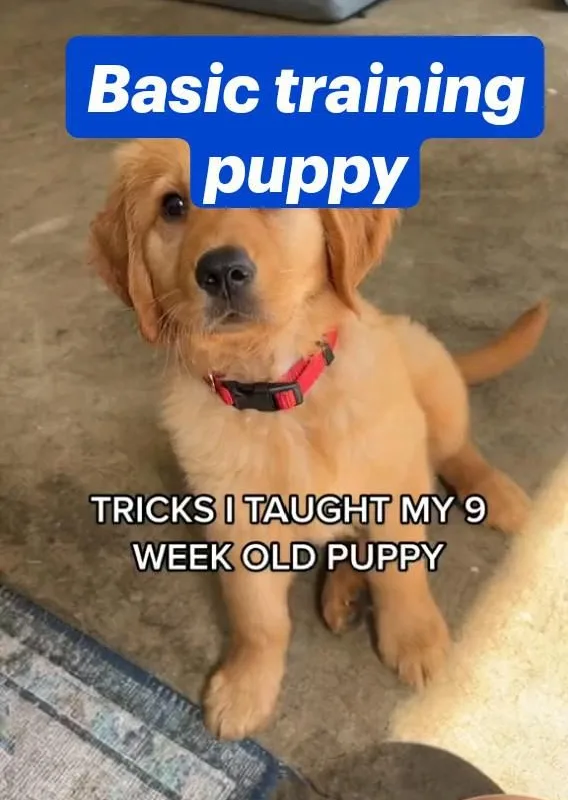
A puppy's brain is a sponge soaked in curiosity — and the first four weeks of training decide whether it soaks up confidence or chaos. Here's the practical, do-this-not-that playbook I wish every new owner had taped to their fridge.
Advertisements1
- Puppies can hold their bladder roughly one hour per month of age plus one — a 10-week-old maxes out around three hours.
- The socialization window closes near 12–16 weeks; one calm new exposure per day beats a chaotic puppy party.
- Say a cue once. Repeating it teaches your puppy that words are background noise.
- Match treat value to distraction level — kibble indoors, freeze-dried liver at the park with squirrels.
- Three-minute sessions, three to five times a day, outperform one long training marathon every time.
Start With the Name Game Before Anything Else
Before sit, before leash manners, your puppy needs to know that their name means "look at me, something good is happening." This is called charging a marker, and it's the foundation every other skill stands on. Say the name once, cheerfully, and the instant those ears swivel toward you, mark it with a click or a bright "yes!" and deliver a pea-sized treat. Ten reps, three times a day, for a week.
Do this: say the name once and wait. Don't do this: repeat "Biscuit! Biscuit! Biscuit!" while waving a treat like a semaphore flag. Repeating the cue teaches your puppy that the name is background noise — like a refrigerator hum. One name, one chance, one reward.
I learned this the hard way with a terrier mix named Pepper who trained me to say her name four times before she'd glance up. Within a week of the one-and-done rule, she was snapping her head around like a meerkat on lookout duty. That single change made every later lesson faster.
Crate Training: Build a Den, Not a Cage
A crate should feel like a cozy burrow, not a puppy prison. The mistake almost everyone makes is shutting the door too soon and too long. Instead, feed every meal inside the crate with the door open for the first three days. Toss a treat in, let the puppy wander out freely, repeat. By day four, close the door for five seconds while they chew a stuffed Kong, then open it before any whining starts.
Do this: build duration in tiny increments — 5 seconds, then 20, then a minute — always ending on a success. Don't do this: wait for the puppy to cry, then open the door. That teaches "crying opens doors," and you'll be listening to a canine opera at 2 a.m.
Size matters too. The crate should be just big enough for your puppy to stand, turn around, and lie down flat — roughly 1.5 times their body length. Too much space invites a potty corner. If you bought an adult-size crate, block off the back with a cardboard divider and shrink it as your puppy grows.
Potty Training Runs on a Clock, Not Luck
Puppies under 12 weeks can hold their bladder for roughly one hour per month of age, plus one — so a 10-week-old gets about three hours, max, and often less when excited. Set a timer. Take your puppy out every 45 to 60 minutes while awake, plus immediately after waking, eating, drinking, and every 20 minutes of vigorous play.
Do this: pick one potty spot, go there on leash, stand still like a boring statue, and reward within two seconds of the last drop with a treat and gentle praise. Don't do this: let your puppy free-roam the yard for 15 minutes, then bring them inside where they promptly pee on the rug. Free-roaming is a distraction buffet; the leash keeps the lesson focused.
Accidents happen — clean them with an enzymatic cleaner, never ammonia-based products, because ammonia smells like urine and whispers "this is the bathroom" to your puppy's nose. And if you catch a puppy mid-squat, clap once to interrupt, then carry them outside. Never scold after the fact; puppies can't connect punishment to an act that happened 30 seconds ago.
Teach Sit and Down With Lure, Then Fade the Treat
Sit is the easiest win in puppy training, and it's a gateway skill. Hold a treat at your puppy's nose, slowly arc it up and back over their head, and their bottom will hit the floor like a tiny elevator. Mark the instant it lands — click or "yes" — then treat. Five reps, twice a day, and most puppies are fluent in four days.
Do this: add the word "sit" only after the puppy is reliably offering the behavior, saying it once just before the lure. Don't do this: chant "sit sit sit sit" while your puppy stares at your hand. The cue must come before the action, once, cleanly.
Down is harder because it's a more vulnerable position. Lure from a sit by bringing the treat from nose to elbows to floor, in a slow L-shape. If your puppy pops back up, reward any elbow bend at first — this is called shaping successive approximations, and it's how dolphin trainers work. Break the skill into crumbs and reward each crumb.
Socialization Is a Deadline, Not a Suggestion
The critical socialization window closes around 12 to 16 weeks, and what your puppy meets calmly in that window shapes their adult temperament. The goal isn't to meet 100 people — it's to have 100 calm, positive exposures. One new texture, sound, or friendly stranger a day beats a chaotic puppy party.
Do this: carry your puppy (before full vaccination) to a park bench and just watch the world — strollers, skateboards, umbrellas. Pair each sight with a treat so novelty predicts snacks. Don't do this: flood your puppy with a crowd of strangers passing them hand to hand. Overwhelmed puppies don't socialize; they just survive.
Keep a simple checklist: 10 surfaces (grass, gravel, tile, metal grate), 10 sounds (vacuum, thunder recording at low volume, doorbell), 10 people types (hats, beards, wheelchairs, children). Two items a day, and you'll cover the list in under three weeks.
Use Real-Life Rewards, Not Just Kibble
Treat value is a dial, not a switch. Kibble works in the quiet living room; freeze-dried liver or bits of chicken are for the park with squirrels. Match the reward to the distraction — a concept trainers call the distraction-to-reward ratio. If your puppy can't focus, the environment is too exciting or the treat is too boring.
Do this: cut treats into pencil-eraser-sized pieces and account for them in your puppy's daily calorie total. A 10-pound puppy eating 400 calories a day shouldn't get 200 calories of treats; use part of their regular kibble for training sessions. Don't do this: hand out treats like confetti for behaviors your puppy already knows cold. Once a skill is solid, move to variable reinforcement — reward sometimes, not every time — which actually strengthens habits.
Ask yourself: is my puppy working for the reward, or am I bribing them to participate? The difference is timing. A treat that appears after the behavior is a paycheck; a treat dangled before it is a bribe.
Keep Sessions to 3 Minutes and End on a Win
A puppy's attention span is roughly their age in minutes, so a 12-week-old has about three good minutes per session. Three to five short sessions a day beat one 30-minute marathon every time. Think of it like brushing your teeth — small, frequent, unremarkable.
Do this: end every session with a skill your puppy nails, then scatter a handful of treats on the floor as a release cue. Don't do this: push through one more rep when your puppy is sniffing the floor and disengaged. That's not stubbornness; that's a tired brain asking for a break.
And here's a writing prompt for your training journal: describe your puppy's best three-minute session this week as if it were a tiny sports victory. What was the winning play? Who celebrated? Naming the wins keeps you curious instead of frustrated — and curiosity is the real engine of training.
How to Do It, Step by Step
- 1Charge the name first
Say your puppy's name once, mark the moment they look, and treat. Ten reps, three times daily for a week — this becomes the foundation for every recall and attention cue. - 2Feed every meal in the crate
Place food inside with the door open for three days, then close it for 5 seconds and extend gradually. This builds a den association before you ever need to leave the house. - 3Set a potty timer
Take your puppy out every 45–60 minutes while awake, plus after eating, waking, and play. Go to one spot on leash and reward within two seconds of finishing. - 4Lure a sit, then fade the treat
Arc a treat up and over the head until the bottom hits the floor; mark and reward. Add the verbal cue only once the behavior is reliable. - 5Run a daily socialization item
Expose your puppy to one new surface, sound, or person type per day, paired with treats. Aim for calm and curious, not overwhelmed. - 6Cap sessions at three minutes
Train three to five times daily in short bursts, always ending on a success with a treat scatter release. Stop before your puppy disengages.
Training a puppy isn't about obedience — it's about building a shared language, one three-minute conversation at a time.
Frequently Asked Questions
When should I start basic training a puppy?
Start the day your puppy comes home, around 8 weeks old. Name recognition, crate introduction, and potty routines can begin immediately — formal obedience cues like sit and down follow within the first week.
How long does it take to potty train a puppy?
Most puppies are reliably potty trained between 4 and 6 months, though small breeds often take longer. Consistency with a 45–60 minute timer and enzymatic cleanup speeds the process dramatically.
Can I train a puppy before all their vaccinations are done?
Yes — training at home and carrying your puppy in public spaces is safe and essential. Avoid high-traffic dog areas like dog parks until your vet clears them, but do expose them to sights and sounds from a safe distance.
How many treats should I use during training?
Use pea-sized or pencil-eraser-sized pieces and subtract them from daily calories — treats should be under 10% of total intake. For a 10-pound puppy, that's roughly 40 calories of training treats per day.
Why won't my puppy listen at the park when they listen at home?
It's a distraction-to-reward mismatch, not defiance. Increase treat value and shorten distance — practice five feet from the distraction, not fifty, then gradually close the gap.

Amara explores creative writing and storytelling, with a focus on finding your unique voice and building compelling narratives. She shares prompts and exercises to spark imagination, drawing on her love of folklore and modern fiction.


