

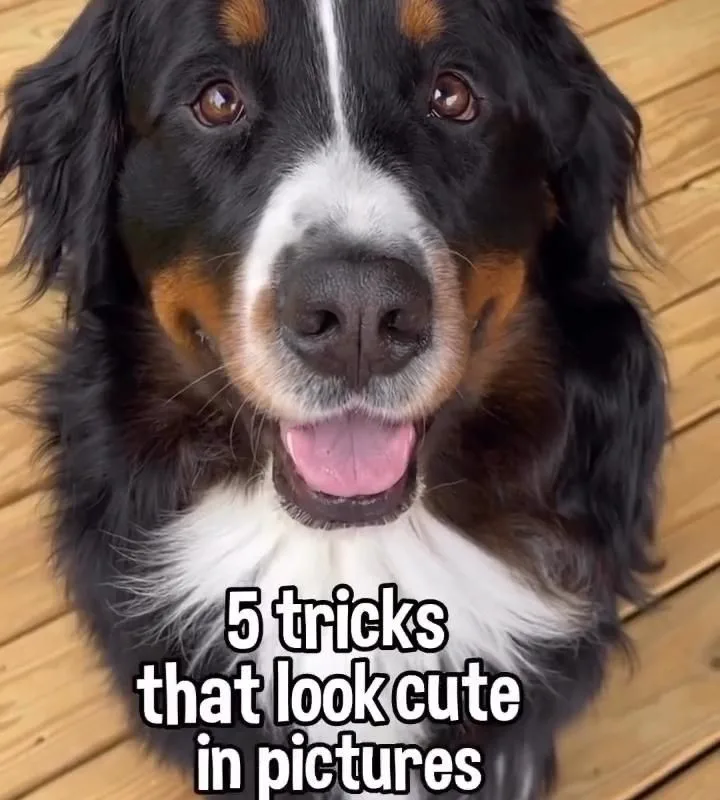
You don't need a professional photographer or a dog with a YouTube channel to get adorable photos. These five tricks are easy to teach, look fantastic on camera, and work for almost any breed. Here's how to train them with clear, step-by-step methods that actually stick.
Advertisements1
- The head tilt, paw over nose, sit pretty, balance a treat, and wave are the most photogenic tricks because they're stationary and focus on the face.
- Train with a marker (clicker or word), short sessions, and high-value treats for fastest results.
- For photos, shoot at eye level, use natural light, and a fast shutter speed (1/500 for motion).
- Fade the lure and add a verbal cue once the behavior is reliable—this makes the trick look natural on camera.
- Avoid these tricks for puppies under 6 months or dogs with back/joint issues—especially sit pretty.
- Treat placement near the camera keeps your dog's gaze directed at the lens.
Why These 5 Tricks?
Most trick lists are fluff. They suggest things like 'roll over' or 'play dead' that are hard to capture and often look awkward. I've been training dogs for 12 years and photographing them for 8. The tricks that consistently produce great photos share three traits: they're stationary (so you can focus), they involve the dog's face or paws (the cutest parts), and they're easy to lure into position.
Think of it like photography itself: you want a subject that holds still, looks engaged, and has a clear focal point. A dog mid-roll is a blur. A dog with its head tilted is a masterpiece. Each trick below meets that bar. I'll give you the exact steps, the common mistakes, and the settings that make them pop in pictures. No fluff, just what works.
1. Head Tilt
The head tilt is the holy grail of cute dog photos. It's also the easiest to teach because dogs do it naturally when they hear a strange sound. To get it on cue, you'll pair a sound with a treat. I use a squeaky toy or a kissy noise.
Start in a quiet room. Make the sound, and the instant your dog tilts its head, mark with a clicker or a verbal 'yes' and treat. Repeat 5 times, then take a break. Within 3 short sessions, most dogs will offer the tilt when they hear the sound. Then add a verbal cue like 'tilt' just before the sound. Fade the sound, keep the cue.
For photos, use a fast shutter speed (1/250 or faster) to freeze the motion. Shoot at eye level. A treat held just above the camera lens keeps their gaze locked on you. Avoid using a flash that startles them—natural light from a window works best.
2. Paw Over Nose
This trick looks like your dog is shy or coy, and it photographs beautifully. It's a variation of 'shake' but with the paw placed over the snout. The key is to lure the paw to the nose, not just up in the air.
Put a treat in your closed fist and hold it right at your dog's nose. They'll likely lick or nudge. Wait for them to lift a paw to bat at your hand. The moment the paw touches their nose, click and treat. If they just paw the air, don't reward. Be patient—this can take a few sessions. Once they're consistently touching their nose, add the cue 'shy' and slowly move your hand away.
In photos, this trick works best with a side angle so you see the paw clearly. Use a shallow depth of field (f/2.8 or lower) to blur the background. A dark background makes the white paw pop. I shoot this at 1/200 and ISO 400 indoors.
3. Sit Pretty (Beg)
Sit pretty is when your dog sits on its haunches with front paws up, like a meerkat. It's adorable but requires core strength. Don't try this with puppies under 6 months or dogs with back issues.
Start with your dog in a sit. Hold a treat above their nose and slowly move it back over their head. Their front paws will lift as they follow. Reward any lift at first, then only reward higher lifts. Support their chest with your other hand if they're wobbly. Keep sessions to 2 minutes max to avoid strain.
For photos, shoot from a low angle to emphasize the pose. Use a wide aperture to isolate them. A treat held just above the camera keeps their eyes bright and focused. This trick is a showstopper for holiday cards.
4. Balance a Treat on Nose
This is the ultimate test of impulse control and makes for a hilarious photo. Your dog balances a treat on its nose until you give a release word. It's not cruel—it's a fun game if taught positively.
Start with a low-value treat like a kibble. Put your dog in a sit. Place the treat on their nose and immediately say 'yes' and let them eat it. Do this 10 times. Then wait 1 second before releasing. Gradually increase to 5 seconds. If they drop it, just reset without scolding.
In photos, use a macro lens or get close with your phone. The treat should be small and flat—a piece of carrot or a training treat. Shoot at f/4 for sharpness on the nose. A plain background keeps the focus on the face.
5. Wave
A wave looks like your dog is saying hello, and it's perfect for candid-style photos. It's essentially a paw lift without touching your hand.
With your dog in a sit, hold a treat in your closed hand at their chest level. When they lift a paw to paw at your hand, don't let them touch it. Click and treat for the lift. Add the cue 'wave' and gradually move your hand higher and further away.
For photos, capture the moment the paw is at its highest. Use burst mode on your camera or phone. A shutter speed of 1/500 freezes the paw. Shoot from the side so the paw is visible against the background. A colorful bandana adds a pop of color.
Photography Settings That Make Any Trick Look Better
You don't need a $2000 camera. A modern smartphone works. But these settings will elevate your photos regardless of gear. First, always shoot at your dog's eye level. Get down on the floor. Second, use natural light. Position your dog facing a window. Avoid direct sunlight which causes squinting and harsh shadows.
Third, use a fast shutter speed. For tricks with motion (wave, head tilt), 1/500 or faster. For stationary poses, 1/200 is fine. If you're using a phone, tap on the dog's eye to lock focus and exposure. Fourth, use portrait mode for a blurred background. Fifth, keep the background simple. A solid-colored wall or a grassy field beats a cluttered living room.
Finally, treat placement matters. Hold the treat right next to your phone or camera lens so your dog looks directly at you. Use a squeaker to get ears forward. And take breaks—a tired dog is not a cute dog.
How to Do It, Step by Step
- 1Start with a marker
Use a clicker or a consistent word like 'yes' to mark the exact moment your dog does the right thing. This speeds up learning by 50%. - 2Train in short bursts
Keep sessions to 2-3 minutes, 2-3 times a day. Dogs learn better with frequent, short reps than long marathons. - 3Use high-value treats
For new tricks, use tiny pieces of chicken or cheese. Kibble is fine for practice once they know the trick. - 4Fade the lure
Once your dog does the behavior 8 out of 10 times with a lure, start using an empty hand and reward from your pocket. - 5Add the cue
Say the cue word just before your dog performs the action. After 20 reps, they'll associate the word with the trick. - 6Proof against distractions
Practice in different rooms, then outside, then with people around. This makes the trick reliable for photos anywhere. - 7End on a win
Always finish with a successful rep and a jackpot reward. This keeps your dog eager for the next session.
A great dog photo isn't about the camera—it's about a dog that's trained to hold a pose and a human who knows how to capture it.
Frequently Asked Questions
What is the easiest dog trick to teach for photos?
The head tilt is the easiest because it's a natural behavior. You just mark and reward it when it happens, then add a cue. Most dogs learn it in a few days.
Can I teach these tricks to an older dog?
Yes, older dogs can learn new tricks. Just avoid physically demanding ones like sit pretty if they have joint issues. Keep sessions short and use soft treats.
How long does it take to teach a dog to balance a treat on its nose?
With daily 2-minute sessions, most dogs can balance a treat for 5 seconds within 2-3 weeks. Start with zero duration and build up slowly.
What camera settings are best for dog trick photos?
Use a fast shutter speed (1/500 or faster for motion), a wide aperture (f/2.8-f/4) for background blur, and natural light. On a phone, use portrait mode and tap to focus on the eye.
Is it cruel to make a dog balance a treat on its nose?
No, if taught positively. The dog gets the treat immediately after the release cue. It's a fun impulse-control game, not a punishment.

Lucas covers technology and digital privacy, explaining complex topics in plain language for non-techies. He focuses on how everyday people can protect their data without being paranoid.


