

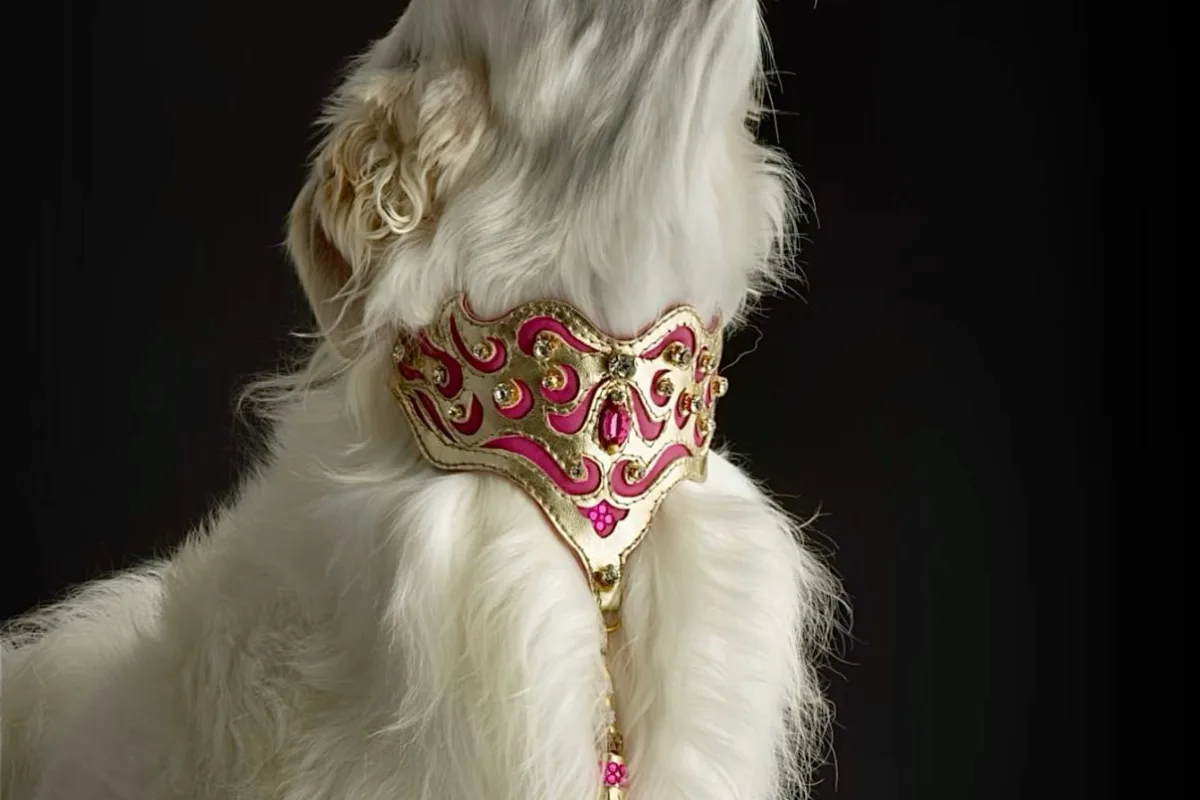
White Borzois are stunning sighthounds with silky coats and gentle souls. Here's how to keep yours elegant, healthy, and happy with practical tips from a Borzoi owner.
Advertisements1
- White Borzois require consistent grooming to keep their coats clean and mat-free.
- They are sprinters, not endurance runners; secure off-leash runs are essential.
- Positive reinforcement training works best for their sensitive, independent nature.
- Bloat prevention is critical: feed small meals and avoid exercise after eating.
- Protect their pale skin from sunburn with dog-safe sunscreen and shade.
Why White Borzois Stand Out
White Borzois aren't just a color variant; they're a testament to the breed's aristocratic history. The white coat is recessive, so it requires both parents to carry the gene. This means responsible breeders carefully plan litters to preserve that ethereal look. But beyond aesthetics, white Borzois often have a softer, more sensitive temperament. In my experience with my own white Borzoi, Luna, they tend to be more reserved with strangers and deeply bonded to their families. That elegance comes with specific care needs, especially coat maintenance and sun protection. White fur shows dirt and stains more readily, so you'll need a consistent grooming routine. Also, their pale skin and nose can be prone to sunburn, so limit midday outdoor time during summer. These dogs are built for speed and sight, not endurance, so they need short bursts of running in secure areas. Their gentle nature makes them excellent therapy dogs, but early socialization is key to prevent shyness. If you're considering a white Borzoi, prepare for a regal companion that will steal your heart and your couch.
Grooming Your White Borzoi's Silky Coat
That flowing white coat is a magnet for dirt, so grooming is non-negotiable. I brush Luna every other day with a slicker brush and a metal comb to prevent mats, especially behind the ears and under the legs. Use a detangling spray on dry fur to reduce breakage. Bathing every 4-6 weeks with a whitening shampoo keeps her coat bright, but over-bathing strips natural oils. Always blow-dry on low heat to avoid tangles. For show-quality coats, a weekly deep conditioner is worth it. Don't forget paw pads and between toes; white fur there traps debris. Trim nails every 3-4 weeks; long nails affect gait. Ears need weekly cleaning with a vet-approved solution. Dental care matters too; brush teeth 3 times a week to prevent tartar. A healthy coat starts from within, so feed a diet rich in omega-3s. I add a fish oil supplement to Luna's food, and her coat gleams. Remember, white Borzois are prone to tear staining, so wipe eyes daily with a damp cloth. If you see excessive tearing, check with your vet for allergies.
Exercise and Enrichment for Sighthounds
Borzois are sighthounds, meaning they're sprinters, not marathoners. They need a secure area to run full-out for 10-15 minutes a day, plus leash walks for mental stimulation. A fenced yard with 6-foot height is ideal; Borzois can clear 4-foot fences easily. Never let them off-leash in open areas; their prey drive can kick in instantly. I learned this the hard way when Luna spotted a squirrel and bolted. Now we use a 30-foot long line for safe exploration. Indoors, provide puzzle toys and chews to prevent boredom. Borzois are couch potatoes at heart, so they'll happily lounge for hours after a good run. But lack of exercise leads to destructive behavior. Consider lure coursing or agility for structured fun. These activities tap into their natural instincts and build confidence. For white Borzois, avoid strenuous exercise during peak sun hours to prevent overheating. Early morning or late evening runs are best. Always carry water; their double coat makes them prone to heatstroke. In winter, a warm coat is essential for their thin fur. Adjust exercise based on age; puppies need less, seniors more gentle walks.
Training a Gentle Giant
Borzois are intelligent but independent, so training requires patience and positive reinforcement. They don't respond to harsh corrections; they'll shut down. Use high-value treats like chicken or cheese. Short, 10-minute sessions work best; their attention span is limited. Start with basic commands: sit, stay, come. Recall is the hardest; practice in a safe, enclosed area with a long line. I use a whistle cue for Luna, and she gets a jackpot reward every time. Socialize early and often. Expose puppies to different people, sounds, and environments. White Borzois can be shy, so gentle exposure prevents fearfulness. Crate training is a lifesaver; it gives them a secure den. Never use the crate for punishment. Leash manners matter; they can pull suddenly if they spot something. Use a front-clip harness to discourage pulling. Borzois are sensitive to tone, so keep your voice calm and encouraging. If they make a mistake, redirect, don't scold. Consistency is key; everyone in the household should use the same cues. Consider clicker training for precise timing. With patience, you'll have a well-mannered companion. Remember, these dogs were bred to think independently, so they'll sometimes test you. Stay firm but kind.
Health and Nutrition for White Borzois
White Borzois are generally healthy, but they have specific vulnerabilities. Their pale skin makes them prone to sunburn, so use dog-safe sunscreen on noses and ears. They can also have sensitivity to certain foods, so a limited-ingredient diet may help. I feed Luna a grain-free formula with salmon as the main protein. Portion control is crucial; Borzois are prone to bloat, a life-threatening condition. Feed two smaller meals instead of one large one, and avoid exercise right after eating. Use a slow-feeder bowl to prevent gulping. Their deep chests make them susceptible to gastric torsion, so know the signs: restlessness, drooling, unproductive vomiting. If you see these, rush to the vet. Regular vet check-ups are a must, especially for heart health. Borzois can have cardiac issues, so annual echocardiograms are wise. Dental disease is common; brush teeth regularly and provide dental chews. Keep vaccinations up to date. Parasite prevention year-round is essential. For white coats, check for skin allergies; frequent itching may indicate a food or environmental allergy. Supplements like glucosamine support joint health, especially in seniors. Always provide fresh water. Monitor weight; obesity exacerbates joint problems. A healthy Borzoi is a happy Borzoi.
Living with a White Borzoi: Daily Routines
Borzois thrive on routine. They're creatures of habit, so a consistent schedule reduces anxiety. Start with a morning potty break and breakfast. Then a short walk or play session. They'll sleep most of the day, but appreciate a midday stretch. Evening is for another walk and dinner. Before bed, a final potty break. Grooming should be part of the routine; I brush Luna after our evening walk. This also gives me a chance to check for ticks or lumps. White Borzois are indoor dogs; they're not suited for kennel life. They need soft bedding and a draft-free spot. They love comfort, so a memory foam bed is a good investment. Because they're quiet, they make great apartment dogs if exercised enough. But they do need space to stretch out; a large crate or bed is necessary. They're sensitive to loud noises, so provide a safe space during thunderstorms. Separation anxiety can be an issue; they bond deeply. Gradually accustom them to alone time. Consider a pet camera to check in. For white coats, keep a towel by the door to wipe paws after walks. A daily routine builds trust and keeps your Borzoi balanced.
How to Do It, Step by Step
- 1Establish a Grooming Schedule
Brush your Borzoi every other day with a slicker brush and metal comb to prevent mats. Bathe every 4-6 weeks with a whitening shampoo to keep the coat bright. This prevents dirt buildup and skin issues. - 2Create a Safe Exercise Space
Ensure your yard has a 6-foot fence. Never let your Borzoi off-leash in open areas; use a long line for safe running. This satisfies their sprint needs without risking their safety. - 3Implement Positive Training
Use high-value treats and short, 10-minute sessions. Focus on recall and socialization early. Positive reinforcement builds trust and prevents shyness. - 4Prevent Bloat with Small Meals
Feed two smaller meals instead of one large one, and avoid exercise right after eating. Use a slow-feeder bowl. This reduces the risk of gastric torsion, a life-threatening condition. - 5Protect from Sun and Heat
Apply dog-safe sunscreen to nose and ears, and avoid peak sun hours. Provide shade and water during outdoor time. White coats and pale skin burn easily. - 6Schedule Regular Vet Checks
Book annual check-ups including heart screening. Keep vaccinations and parasite prevention up to date. Early detection of issues like cardiac disease saves lives.
A white Borzoi is not just a dog; it's a living piece of art that requires thoughtful care to maintain its elegance and health.
Frequently Asked Questions
Are white Borzois rare?
Yes, white Borzois are less common because the white coat is a recessive trait. Both parents must carry the gene, so responsible breeders carefully plan litters to produce white puppies.
Do white Borzois have more health problems?
They are prone to sunburn and skin sensitivities due to their pale skin, but otherwise have similar health issues to other Borzois. Regular vet care and sun protection are essential.
How much exercise does a white Borzoi need?
They need 10-15 minutes of full-out running in a secure area daily, plus leash walks. They are sprinters and tire quickly, so short bursts are ideal.
Are Borzois good with children?
Yes, they are generally gentle and patient with children, but their large size and speed mean they should be supervised to prevent accidental knocks. Early socialization helps.
What should I feed my white Borzoi?
A high-quality diet with salmon or other omega-3 rich proteins supports coat health. Avoid overfeeding; two small meals prevent bloat. Consult your vet for specific needs.

Elena focuses on healthy cooking and meal prep for people with limited time and budget. She shares flexible recipes and shortcuts that don’t sacrifice flavor.


