

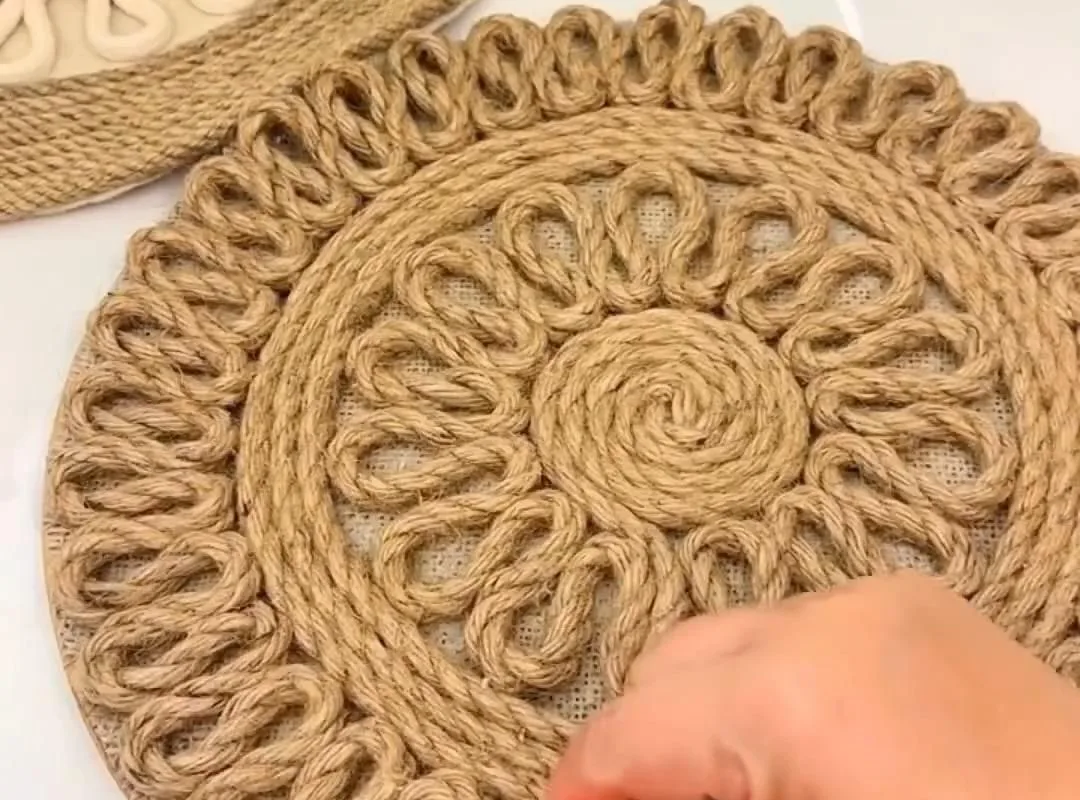
You fell in love with that gorgeous tányéralátét—the one with the embroidered edges and the colors that sing. But now it's just sitting in a drawer. What if I told you it's begging to be hung on your wall? Here are 10 playful, practical ways to turn a table mat into a show-stopping piece of art.
Advertisements1
- A tányéralátét can be a unique, budget-friendly wall art piece.
- Frameless displays work best for thick, textured mats.
- Use removable hangers to avoid wall damage.
- Group mats in odd numbers for a balanced gallery look.
- Dust regularly to keep colors vibrant.
- Mix and match with other decor for a personal touch.
Why Your Tányéralátét Deserves a Spot on the Wall
Think of a tányéralátét as a canvas that never got its chance. The woven textures, the bold prints, the hand-finished details—they're all wasted on a table where they get coffee rings and crumbs. On the wall, they become a conversation piece, a pop of color, a slice of handmade charm. I've hung them in my own kitchen, and guests always stop to ask, 'Is that a placemat?' Yes, and that's exactly the point.
The Secret to Making It Look Like Art, Not a Placemat
The trick is to treat it like art. That means choosing the right spot, the right frame (or no frame), and the right companions. A single mat can look lonely; a cluster of three or five creates a rhythm. Mix sizes, colors, and textures. And don't be afraid to layer—a round mat over a square one, or a woven mat next to a painted one. The eye loves variety, but it also loves order. So keep a consistent gap between pieces, maybe 2 to 3 inches, and align them along a common center line.
The Materials You'll Need (and What to Avoid)
You don't need much: a wooden dowel or a piece of bamboo, some twine or ribbon, a hot glue gun or small nails, and maybe a wooden embroidery hoop if you want a 'framed' look. Avoid using heavy-duty adhesives that might stain or warp the mat—especially if it's fabric or woven. And never use nails directly through the mat unless it's a thick, sturdy one; you'll split the weave. Instead, use clips or sew a small loop on the back.
How to Hang It Without Damaging Your Walls
For renters or the wall-shy, use removable adhesive hooks or washi tape for lightweight mats. For heavier woven ones, use a small picture-hanging strip rated for 2 to 5 pounds. If you're hanging several, use a level and a pencil to mark spots. I once hung a row of six mats and forgot the level—let's just say it looked like a drunken wave. Learn from my mistake: measure twice, hang once.
Creative Ways to Display Your Tányéralátét Collection
Beyond the classic single hang, try a gallery wall: mix your mats with small framed prints, mirrors, or dried flowers. Or use a wooden ladder as a vertical display—lean it against the wall and drape mats over the rungs. Another idea: use a tension rod inside a window frame and clip mats to it, letting them catch the light. The possibilities are endless—your wall is a blank canvas, and your mats are the paint.
How to Care for Your Tányéralátét Art
Once on the wall, your mat will collect dust. Gently vacuum it with a brush attachment once a month, or use a lint roller. If it gets a spot, dab—don't rub—with a damp cloth and mild soap. Avoid direct sunlight for long periods; it can fade the colors. And if you ever want to take it down, just patch the nail holes with a little spackle. No harm done.
When to Use a Frame (and When to Go Frameless)
A frame works best for thin, flimsy mats that might curl—like paper or fabric ones. Use a shadow box to show off the texture. But for thick, sturdy mats—like woven seagrass or cork—go frameless. Just add a hanging wire to the back or clip it to a dowel. The raw edge becomes part of the art. I've done both, and the frameless ones feel more organic, more 'me.'
The Hacks, Step by Step
- 1Choose your mat
Pick a tányéralátét that has visual interest—bold pattern, rich texture, or a story. It should make you smile every time you see it. - 2Gather your hanging supplies
You'll need a wooden dowel or embroidery hoop, twine or ribbon, a hot glue gun or needle and thread, and a picture-hanging strip or small nail. - 3Prep the mat
Lay the mat flat and press it with a warm iron (if fabric) to remove wrinkles. For woven mats, a quick steam can help relax the fibers. - 4Attach the hanging mechanism
For a dowel: fold the top edge over the dowel and glue or sew in place. For a hoop: place the mat inside the hoop and tighten the screw, trimming excess fabric. - 5Mark your wall spot
Use a pencil to lightly mark where the top of the mat will go. Use a level to ensure it's straight. For multiple mats, plan the layout first. - 6Hang and adjust
Secure the hanger to the wall, then hang the mat. Step back and check the height—eye level is usually best. Adjust as needed. - 7Style around it
Add a small shelf, a plant, or a piece of art nearby to create a vignette. The mat should feel intentional, not accidental.
A tányéralátét is not just a table accessory; it's a woven story waiting to be hung on your wall.
Frequently Asked Questions
Can I hang a tányéralátét without damaging it?
Yes, use clips or sew a loop on the back instead of gluing or nailing through the mat. This keeps the mat intact for future use.
What's the best way to hang a woven placemat?
Use a wooden dowel and twine. Fold the top edge over the dowel and secure with glue or stitches—this distributes weight evenly.
How do I keep the mat from curling at the edges?
If it's fabric, iron it flat and consider using a thin backing board inside a frame. For woven mats, a heavy-duty mounting strip can help hold it flat.
Can I wash a tányéralátét before hanging it?
Check the label. Most fabric mats are machine washable, but air dry to avoid shrinking. Woven or bamboo mats should be wiped with a damp cloth only.
How many mats should I hang together?
Odd numbers (3 or 5) are visually pleasing. Start with 3 in a row, then experiment with a cluster.


