

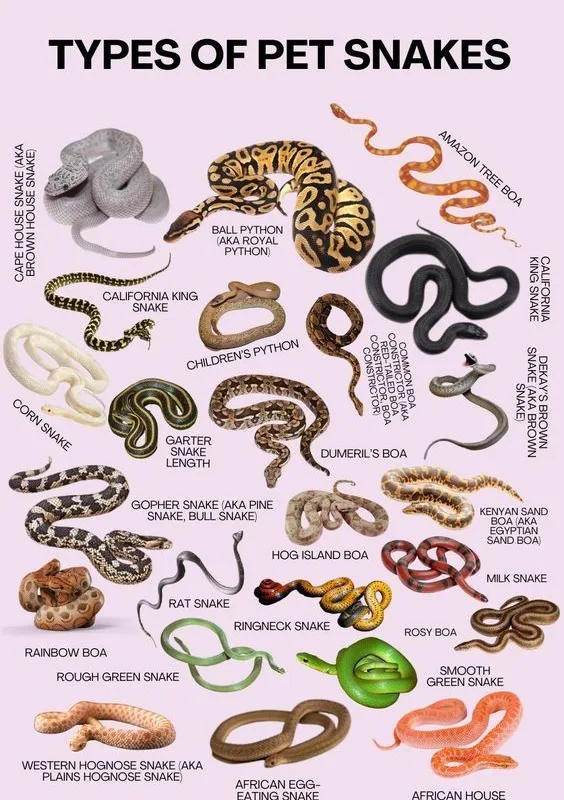
Most first-time snake keepers fail because they copy mammal care habits. But snakes are ectotherms with specific needs—get the setup wrong, and you'll deal with regurgitation, respiratory infections, and a pet that refuses to eat. This guide gives you concrete, do-this-not-that advice to avoid the common pitfalls.
Advertisements1
- Use a thermostat-controlled heat mat plus a radiant heat source to create a proper thermal gradient.
- Choose a hardy species like a corn snake or king snake for your first pet; avoid ball pythons until you have experience.
- Feed frozen-thawed rodents and never handle for 48 hours after feeding to prevent regurgitation.
- Maintain humidity with a digital hygrometer and a humidity box; bad sheds indicate low humidity.
- Quarantine new snakes for at least 90 days to protect your existing collection.
Why Most Beginner Snake Setups Fail (and How to Fix Yours)
The number one mistake is using an aquarium with a screen lid. Screen tops let heat and humidity escape, creating a gradient that's impossible to control. Instead, use a PVC enclosure or a glass tank with a solid top and only a small ventilation area. For a juvenile corn snake, a 20-gallon long tank works, but you'll need to upgrade to a 40-gallon breeder within a year. The reason: snakes grow, and a cramped enclosure causes stress and refusal to eat.
Another common error is relying on a heat mat alone. Heat mats provide belly heat, which aids digestion, but they don't raise ambient air temperature. You need both a heat mat on one side (set to 85°F for a corn snake) and a radiant heat panel or ceramic heat emitter to keep the air at 75-80°F. Use a thermostat—not a rheostat—to control the heat mat. A rheostat adjusts voltage but doesn't respond to temperature fluctuations, which can cook your snake.
Humidity is the third pillar. For tropical species like ball pythons, aim for 60-70% humidity. Use a digital hygrometer, not those analog stick-on dials that are notoriously inaccurate. Mist the enclosure once daily, or use a humidity box filled with damp sphagnum moss. If your snake has trouble shedding (dysecdysis), it's a sign your humidity is too low.
Choosing the Right Species: Don't Start with a Reticulated Python
Beginners often gravitate toward ball pythons because they're docile and come in hundreds of morphs. But ball pythons are notorious for going on hunger strikes, especially in winter. They also require higher humidity and can be picky eaters. A better first snake is a corn snake (Pantherophis guttatus) or a king snake (Lampropeltis getula). These species are hardy, eat reliably, and tolerate a wider range of temperatures and humidity.
If you want a snake that stays small, consider a male Kenyan sand boa (Gongylophis colubrinus). They max out at 18-24 inches and are excellent eaters. Avoid green tree pythons or emerald tree boas as your first snake—they have specific perching and humidity needs that are unforgiving of mistakes.
Before buying, research the adult size. A female ball python can reach 4-5 feet, while a female Burmese python can exceed 12 feet. That's a two-person handling job and a huge enclosure. Also check your local laws: some states ban certain species like Burmese pythons or reticulated pythons.
Feeding: Frozen-Thawed vs. Live Prey (and Why It Matters)
Always feed frozen-thawed rodents. Live prey can injure or kill your snake—a rat can bite and cause abscesses. Frozen-thawed also reduces the risk of parasites. Thaw the rodent in a zip-top bag in warm water (about 100°F) for 20-30 minutes. Never microwave it; the internal temperature can spike and cause burns.
Use tongs to offer the prey. Wiggle it slightly to mimic a live rodent. If your snake doesn't strike within 10 seconds, leave it in the enclosure overnight in a dark, quiet spot. Don't handle the snake for 48 hours after feeding—regurgitation is a serious risk. If your snake regurgitates, wait two weeks before feeding again, and offer a smaller meal.
Feeding frequency depends on age. Hatchlings eat every 5-7 days, juveniles every 7-10 days, and adults every 10-14 days. Overfeeding leads to obesity and fatty liver disease. A good rule: the prey should be about 1 to 1.25 times the snake's mid-body diameter.
Handling and Taming: Build Trust, Don't Force It
Snakes aren't cuddly, but they can learn that you're not a threat. Start with short sessions—5 minutes, twice a week—after the snake has settled in for at least a week. Support the snake's body with both hands; never grab it behind the head unless medically necessary. That triggers a defensive response.
If your snake strikes or musks (releases a foul-smelling secretion), don't put it back immediately. That teaches it that striking gets it what it wants. Instead, wait 30 seconds, then return it. Use a snake hook to gently lift the front third of the body if the snake is defensive. For arboreal species, let them climb onto your hand rather than pulling them off a branch.
Avoid handling during shed. The snake's skin is sensitive, and vision is impaired. Also, don't handle for 48 hours after feeding. If you must, keep it brief and support the body.
Health Checks: What to Look For Before It's an Emergency
Do a quick visual check weekly. Look for: clear eyes (cloudy eyes mean shed is coming), clean vent (no redness or discharge), and smooth scales (no mites—tiny black specks). Mites are a common problem; treat with a reptile-safe mite spray and clean the enclosure thoroughly.
Watch for respiratory infections: wheezing, open-mouth breathing, or mucus bubbles. This often stems from low temperatures or high humidity without ventilation. Raise the temperature to 85-88°F and consult a reptile vet. Don't use over-the-counter antibiotics; they're ineffective and can harm your snake.
Mouth rot (stomatitis) appears as white, cheesy patches in the mouth. It's caused by poor husbandry—dirty water, low temps, or stress. If you see it, see a vet. Prevention: clean water daily and maintain proper temperatures.
Enclosure Setup: The 5 Must-Have Elements
1. **Hide boxes**: At least two—one on the warm side, one on the cool side. Snakes feel secure when they can hide. A plastic container with a hole works; just sand the edges.
2. **Water bowl**: Large enough for soaking but shallow. Change water daily. For humidity-loving species, place it on the warm side to increase evaporation.
3. **Thermostat**: A must for any heat source. Set it to the target temperature and place the probe directly on the heat mat.
4. **Thermometer/hygrometer**: Digital, with probes. Place one on the warm side, one on the cool side. Check twice daily.
5. **Substrate**: Avoid cedar and pine—they contain phenols that cause respiratory issues. Use aspen, cypress mulch, or coconut coir. For humidity, cypress or coco coir is best.
Avoid heat rocks—they cause burns. Also, don't use tape inside the enclosure; snakes can get stuck and injure themselves.
How to Do It, Step by Step
- 1Set up the enclosure before buying the snake
Run the enclosure for 48 hours to stabilize temperatures and humidity. This prevents stress on the snake and lets you fix issues without a pet in the tank. - 2Use a thermostat with every heat source
A thermostat prevents overheating. Set it to the species' ideal warm-side temperature (e.g., 85°F for corn snakes). A rheostat is not a substitute. - 3Feed frozen-thawed prey
Thaw in warm water, never microwave. Use tongs to offer. This prevents injuries and parasites from live prey. - 4Wait 48 hours after feeding before handling
Handling too soon can cause regurgitation, which is dangerous. Let the snake digest in a quiet, dark spot. - 5Check temperatures and humidity twice daily
Use digital gauges. Adjust as needed. Stable conditions prevent respiratory infections and bad sheds. - 6Quarantine new snakes for 90 days
Keep new snakes in a separate room with separate tools. This prevents spreading mites or diseases to existing pets.
The biggest mistake new keepers make is treating a snake like a mammal—they need a temperature gradient, not a warm blanket.
Frequently Asked Questions
What is the easiest snake to keep as a pet?
Corn snakes and king snakes are the easiest for beginners. They tolerate a wide range of temperatures, eat reliably, and are docile. Avoid ball pythons as a first snake due to their finicky eating habits.
Do snakes need a heat lamp at night?
No, unless your room temperature drops below 70°F. Snakes need a temperature drop at night. Use a ceramic heat emitter or radiant heat panel on a thermostat if needed, but avoid bright lights at night.
How often should I feed my snake?
Hatchlings every 5-7 days, juveniles every 7-10 days, adults every 10-14 days. Adjust based on the snake's body condition; overfeeding leads to obesity.
Can I use a fish tank for a snake?
Yes, but you must cover the screen lid to retain heat and humidity. A glass tank with a solid top and small ventilation is better. PVC enclosures are ideal.
Why is my snake not eating?
Common reasons include low temperatures, stress, shedding, or breeding season. Check your temperatures first, then ensure the enclosure is secure and quiet. If it persists, see a reptile vet.

Kenji covers tech productivity and digital minimalism for remote workers. He writes about streamlining workflows and cutting digital clutter with a focus on mental clarity, not just efficiency.


