

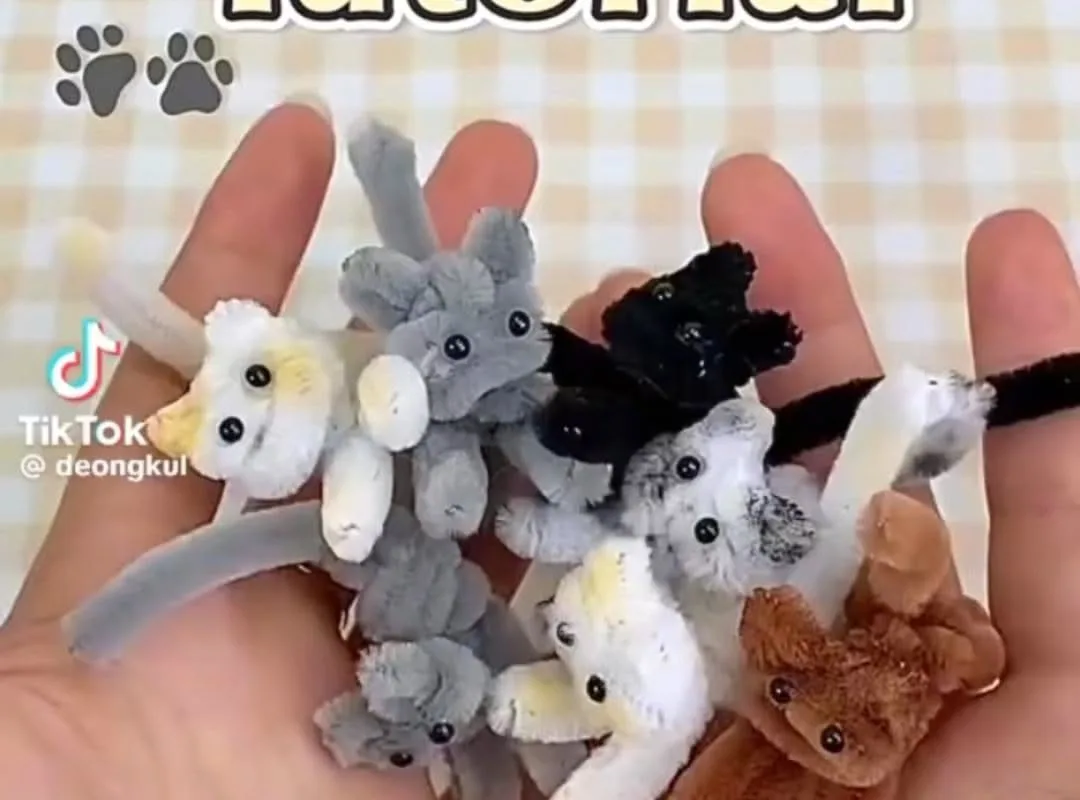
Bringing a kitten home is like holding a small, warm sun in your hands. This tutorial will guide you through the first weeks with calm, practical steps that respect both your kitten's nature and your own peace.
Advertisements1
- A small, quiet room is the best first home for a kitten—it builds confidence.
- Feed four small meals daily; warm the food slightly to entice eating.
- Scoop the litter box twice a day; kittens refuse dirty boxes.
- Play mimics hunting; always redirect biting to toys, never hands.
- Handle paws and ears briefly each day to ease future vet visits.
- Kittens sleep up to 20 hours; provide warm, undisturbed spots.
Creating a Sanctuary: The First Room
When I brought home my first kitten, a tiny grey thing no bigger than my palm, I learned that a single quiet room is worth more than a whole house of open doors. Choose a small, warm space—a bathroom or a corner of your bedroom—where the light falls soft in the afternoon. Place a bed, a litter box, and food and water bowls at a distance from each other. Kittens are fastidious; they will not eat where they eliminate. This setup mimics the safety of a den, and in that safety, curiosity blooms.
Avoid the temptation to let your kitten roam the entire house on day one. That is like throwing a child into a noisy market and expecting them to nap. Instead, sit on the floor and let the kitten come to you. Read a book aloud, your voice a low hum. Within hours, you will see the first tentative steps, the first sniff of your fingers. That is the beginning of trust.
Feeding: Little Meals, Many Times
A kitten's stomach is the size of a walnut. So feed small portions, four times a day until they are six months old. I remember setting my alarm for a 6 a.m. feeding, the kitchen still dark, the kitten's mew a tiny silver bell. It felt like a ritual. Use a high-quality wet food—it provides moisture and is easier on tiny teeth. Dry food can be left out, but measure it; free-feeding leads to round, lethargic cats.
Warm the food slightly to body temperature. Not hot, just warm enough that you can barely feel it on your wrist. The aroma rises, and the kitten eats with more enthusiasm. Always provide fresh water in a shallow bowl. Whiskers are sensitive; a deep bowl is an annoyance. After meals, remove leftovers within 30 minutes. This teaches routine and prevents spoilage.
The Litter Box: Simplicity and Cleanliness
I once tried a fancy covered litter box with a filter and a door flap. My kitten looked at it as if it were a monster. So I switched to a simple, open pan with low sides. That was the answer. Use an unscented, clumping litter—kittens may ingest scented crystals, which can cause harm. Scoop twice a day, and change the litter completely once a week. A clean box is the best prevention against accidents.
Place the box in a quiet corner, away from the food and water. If you have multiple kittens, provide one box per kitten plus one extra. The rule is simple: a kitten will not use a dirty box. They will find a corner of your rug instead. So keep it pristine, and you both will be happier.
Play: The Hunt That Teaches Trust
A kitten's play is not just fun; it is rehearsal for life. I keep a basket of toys—feather wands, small mice, crinkle balls. But the best toy is a simple string dragged along the floor. Move it like prey: dart, pause, hide. Let the kitten catch it sometimes. That builds confidence. Play for 10 to 15 minutes, twice a day, ideally before meals. This mimics the natural cycle: hunt, catch, eat, groom, sleep.
Never use your hands as toys. It seems cute when they are tiny, but those teeth grow. Instead, offer a stuffed toy when they attack your ankles. Redirect, always. After play, let them calm down before feeding. A tired kitten sleeps deeply, and a sleeping kitten is a quiet joy.
Handling and Socialization: The Gentle Touch
The first weeks are a window for socialization. Handle your kitten daily, but briefly. Touch paws, ears, and mouth—just for a second, then release. This makes future vet visits and nail trims easier. I would hold my kitten for a minute after each meal, when they were sleepy and content. That became our quiet time. Now, as an adult cat, she still climbs into my lap at the same hour.
Introduce new people and gentle sounds gradually. A dropped spoon, a doorbell—these are small tests. If the kitten startles, do not scoop them up immediately. Let them recover on their own, then offer a treat. This teaches resilience. Avoid loud parties or chaotic children for the first month. The goal is a cat who is curious, not fearful.
Health: The First Vet Visit and Beyond
Schedule a vet visit within the first week. Bring a stool sample—yes, it is unpleasant, but it checks for parasites. The vet will weigh the kitten, check teeth and eyes, and start vaccinations. I remember the first visit: my kitten hid under my sweater, and the vet smiled and said, 'That is normal.' We got through it. Follow the vaccine schedule: typically at 8, 12, and 16 weeks. Discuss flea and tick prevention, even for indoor cats.
Spaying or neutering is usually done around six months. It prevents health issues and unwanted behaviors. Keep a record of weight and milestones. A kitten should gain about 100 grams per week. If they are not, consult your vet. Small changes matter.
Sleep and Quiet: The Rhythm of Rest
Kittens sleep up to 20 hours a day. They need a warm, soft place to curl up—a bed near a radiator or in a sunny patch. I placed a folded fleece blanket in a cardboard box, and that became the favorite spot. Do not disturb a sleeping kitten. Their growth happens in sleep. At night, they may cry for company. Resist the urge to bring them to your bed immediately; instead, place the bed near yours so they can hear you breathe. Gradually, they will sleep through the night.
A ticking clock wrapped in a blanket can mimic a heartbeat. A warm water bottle under the bedding can mimic a mother's warmth. These small tricks ease the transition. In time, your kitten will find their own rhythm, and you will find yours.
How to Do It, Step by Step
- 1Prepare a small, safe room
Set up a quiet space with a bed, litter box, and food and water bowls. This reduces stress and helps the kitten feel secure. - 2Feed small meals four times a day
Use wet food warmed to body temperature. This supports digestion and mimics natural feeding patterns. - 3Keep the litter box clean
Scoop twice daily and use unscented clumping litter. A clean box prevents accidents and urinary issues. - 4Play with intention twice a day
Use wand toys to mimic hunting. This builds confidence and strengthens your bond. - 5Handle gently for short periods
Touch paws and ears briefly to acclimate the kitten to handling. This makes vet visits easier. - 6Visit the vet in the first week
Bring a stool sample. Start vaccinations and discuss parasite prevention. - 7Provide warm, quiet sleep spots
Place a soft bed in a draft-free area. Add a ticking clock or warm bottle to mimic the mother's presence.
The quietest moments with a kitten—the slow blink, the tentative purr—are where trust is built, not in grand gestures.
Frequently Asked Questions
How often should I feed my kitten?
Feed four small meals a day until six months old. After that, you can reduce to two meals. Consistent routine helps digestion and behavior.
When can I let my kitten roam the house?
After about a week in the safe room, once they are eating, using the litter box, and showing curiosity. Supervise initial explorations.
What should I do if my kitten bites my hands?
Immediately redirect to a toy and say 'no' softly. Never punish physically. Consistent redirection teaches them that hands are not toys.
How do I introduce my kitten to other pets?
Do it gradually. Keep them separated at first, then swap scents by rubbing a cloth on each. Finally, allow short supervised visits.
Why does my kitten cry at night?
They may feel lonely or cold. Place their bed near yours, add a warm blanket, and establish a bedtime routine with play and feeding.

Ingrid explores Scandinavian minimalist design and slow living. She writes about creating calm, functional spaces with fewer, better things.


