

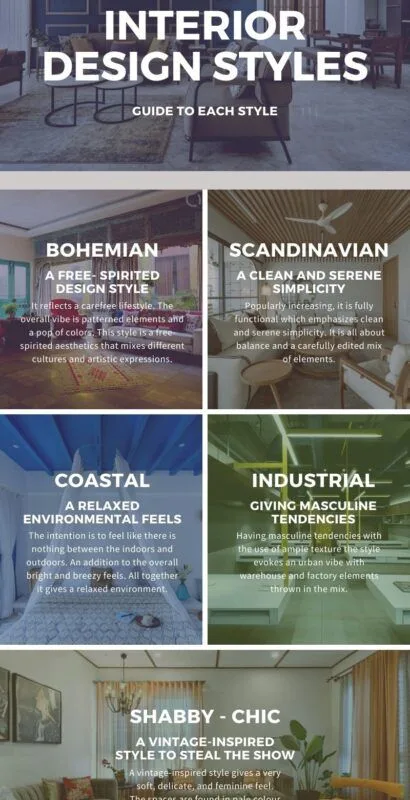
Interior design styles can feel overwhelming when you’re staring at a blank room and a hundred Pinterest boards. I’ve been there. After years of helping friends and clients pick a direction, I’ve learned one thing: you don’t need to memorize every trend. You need a clear guide to each style, with real examples you can actually copy.
Advertisements1
Below are 16 interior design styles, each explained simply. I’ve included what each one is, who it suits, and one specific detail that makes it recognizable. Use this as your reference the next time you’re stuck between two looks.
Table of Contents(Click to Toggle)
Why Knowing Your Design Style Saves Money and Time
Here’s a number that surprised me: most people repaint a room within 18 months of first painting it. That’s a lot of wasted weekends and paint cans. The reason is almost always the same. They picked a color they liked in isolation, not a style that fits the whole room.
Knowing your style gives you a filter. When you walk into a store, you don’t ask “do I like this?” You ask “does this fit my style?” That one question cuts impulse buys and returns dramatically.
It also helps you mix pieces over time. A well-defined style lets you buy slowly, one good item at a time, and still have a room that feels intentional. That’s the real goal.
The 16 Interior Design Styles, Explained
1. Modern Design : Clean Lines and Function First
What it is: A style built on straight lines, open space, and a “less clutter, more function” mindset. Think flat-front cabinets and low-profile furniture.
Category: Contemporary-rooted, but with a permanent design philosophy.
Why it stands out:
- Neutral walls with one bold accent piece
- Materials like glass, steel, and polished concrete
- Furniture that sits low and leaves visual breathing room
Best for: Small apartments and anyone who hates dusting knick-knacks.
2. Mid-Century Modern : Warm Wood and Tapered Legs
What it is: A style from the 1940s to 1960s that mixes organic shapes with clean lines. You’ll know it by the tapered legs and walnut tones.
Category: Retro-modern.
Why it stands out:
- Iconic silhouettes like the Eames lounge chair
- Mixing wood tones with mustard, teal, and orange accents
- Pieces that are both vintage and still produced today
Best for: Anyone who wants character without a cluttered look.
3. Scandinavian : Light, Bright, and Cozy
What it is: A Nordic approach that pairs pale wood, white walls, and soft textiles. It’s practical and warm at the same time.
Category: Minimalist-adjacent, but softer.
Why it stands out:
- Layered lighting with candles and floor lamps
- Wool throws and sheepskin for texture
- Function-first furniture that’s easy to live with
Best for: Renters and people in small, low-light spaces.
4. Minimalist : Only What You Need
What it is: A stripped-back style where every object earns its place. Surfaces stay clear and storage is hidden.
Category: Philosophy-driven.
Why it stands out:
- Monochrome palettes with one texture contrast
- Built-in storage that disappears into walls
- Zero visual noise, which calms a room fast
Best for: People who feel stressed by clutter.
5. Industrial : Raw Materials, Loft Energy
What it is: A style that celebrates exposed brick, metal pipes, and concrete. It started in converted factories and never left.
Category: Urban-rustic.
Why it stands out:
- Edison bulbs and blackened steel fixtures
- Reclaimed wood shelving and factory-style stools
- Open shelving instead of closed cabinets
Best for: Lofts, studios, and anyone with high ceilings.
6. Bohemian : Layered, Collected, and Free
What it is: A relaxed style built on layers of textiles, plants, and travel finds. Nothing matches perfectly, and that’s the point.
Category: Free-spirited eclectic.
Why it stands out:
- Rugs layered over rugs
- Macrame, rattan, and hanging plants
- Warm earth tones with jewel accents
Best for: Creative people who collect things on trips.
7. Coastal : Breezy and Sun-Faded
What it is: A style inspired by beach houses, with light blues, whites, and natural fibers. It’s airy, not nautical-themed.
Category: Relaxed traditional.
Why it stands out:
- Slipcovered sofas in linen or cotton
- Driftwood tones and woven jute rugs
- Sheer curtains that move with a breeze
Best for: Sunny rooms and anyone who wants a calm palette.
8. Farmhouse : Practical Comfort with Character
What it is: A style rooted in rural homes, with apron sinks, shaker cabinets, and worn wood. Modern farmhouse softened it with white paint.
Category: Rustic-traditional.
Why it stands out:
- Open shelving with everyday dishes on display
- Mixed wood and metal finishes
- Large tables built for gathering
Best for: Families and open-plan kitchens.
9. Traditional : Timeless and Tailored
What it is: A style with symmetry, rich fabrics, and classic furniture shapes. It looks like it’s been in the family for decades.
Category: Classic.
Why it stands out:
- Paired armchairs flanking a fireplace
- Patterned wallpaper and pleated drapes
- Warm woods like mahogany and cherry
Best for: Period homes and formal living rooms.
10. Transitional : The Best of Both Worlds
What it is: A blend of traditional and modern. Clean lines meet classic shapes, so it never looks dated.
Category: Hybrid.
Why it stands out:
- Neutral palettes with soft curves
- Furniture that works in almost any home
- Easy to update without a full redo
Best for: People who can’t choose between old and new.
11. Contemporary : What’s Happening Right Now
What it is: A moving style that reflects current trends. Today that means curved furniture, warm neutrals, and matte finishes.
Category: Trend-driven.
Why it stands out:
- Statement lighting and sculptural shapes
- Bouclé and chunky knit textures
- Colors that shift every few years
Best for: Anyone who loves updating a room often.
12. Rustic : Natural, Worn, and Warm
What it is: A style that uses raw wood, stone, and leather. It feels like a cabin, even in a city apartment.
Category: Nature-rooted.
Why it stands out:
- Live-edge tables and stone fireplaces
- Leather that ages and softens over time
- Earthy colors like clay and moss
Best for: Mountain homes and cozy dens.
13. Art Deco : Glamour with Geometry
What it is: A 1920s style with bold geometric patterns, metallic finishes, and rich colors. It’s dramatic, but in a controlled way.
Category: Vintage glamour.
Why it stands out:
- Velvet, brass, and lacquered surfaces
- Fan and sunburst motifs
- Deep greens, blacks, and golds
Best for: Small spaces where one bold piece can shine.
14. Japandi : Japanese Calm Meets Nordic Warmth
What it is: A blend of Japanese minimalism and Scandinavian coziness. It’s calm, low, and very intentional.
Category: Hybrid minimalist.
Why it stands out:
- Low furniture and floor-level seating
- Natural materials like bamboo and linen
- Muted, earthy palettes
Best for: Small spaces and anyone who wants a calm home.
15. Maximalist : More Is More, On Purpose
What it is: A style that embraces color, pattern, and collections. It’s bold and personal, not messy.
Category: Expressive.
Why it stands out:
- Pattern mixing with a shared color thread
- Gallery walls and layered rugs
- Statement furniture in saturated hues
Best for: Collectors and people who love color.
16. Eclectic : Curated Chaos That Works
What it is: A style that mixes eras and origins, tied together by a shared palette or texture. It’s the most personal style on this list.
Category: Curated mix.
Why it stands out:
- Vintage finds next to new pieces
- One unifying color or material
- Flea market treasures with a story
Best for: People who shop slowly and love the hunt.
Bonus Mentions
West Elm : Accessible Modern Pieces
A go-to for mid-century and modern staples at mid-range prices. Their lighting section alone is worth a browse.
Article : Direct-to-Consumer Furniture
Clean-lined sofas and chairs without showroom markup. Good for modern and contemporary rooms on a budget.
Chairish : Vintage and Consignment Finds
A marketplace for pre-owned furniture, including Art Deco and mid-century pieces. Great for one-of-a-kind items.
Farrow & Ball : Paint with Depth
Known for rich, muted colors that suit traditional and farmhouse styles. A small tin goes a long way for testing.
Archiproducts : A Design Reference Library
A free catalog of real products and projects. Useful when you want to see a style applied in real rooms.
Pick One Style, Then Break One Rule
Here’s my honest takeaway. You don’t need to follow a style perfectly. Pick one as your base, then break one rule. A minimalist room with one bold vintage chair looks better than a room that follows every guideline.
Start with the style that made you pause while reading this list. Save three reference photos. Then buy one item that fits. That’s it. You’ll learn more from one real purchase than from a hundred saved pins.
Which style are you leaning toward, and what’s the one piece you already own that fits it? Tell me in the comments.
Happy saving, Maya

Maya writes about everyday budgeting and frugal living, focusing on simple, actionable ways to save money without feeling deprived. She enjoys testing money-saving hacks and sharing what actually works in real life.


