

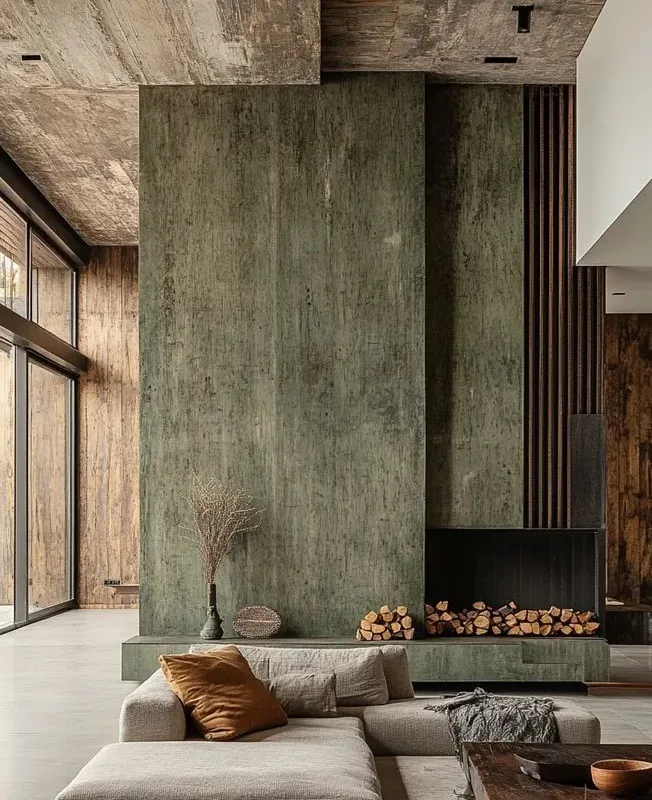
Most home decor content is recycled. Same beige minimalism, same “5 Amazon finds” slideshow, same affiliate links dressed up as taste. The pin you clicked promised decoración del hogar — home decoration — and that’s exactly what you’re getting: seventeen genuinely useful decor resources, from a color palette engine to a free 3D room planner, that most people have never heard of.
Advertisements1
I’m not going to pretend a throw pillow changes your life. But the right tool, palette, or layout idea can make a room feel finished instead of half-done. That’s the difference worth chasing.
Table of Contents(Click to Toggle)
- Why Most Home Decor Advice Fails You
- 17 Home Decor Ideas and Tools Worth Your Time
- 1. Coolors
- 2. Color Hunt
- 3. Houzz
- 4. Roomstyler
- 5. Apartment Therapy
- 6. Remodelista
- 7. Design*Sponge Archive
- 8. Pinterest Visual Search
- 9. Canva Room Mood Board
- 10. IKEA Home Planner
- 11. Spoonflower
- 12. Society6
- 13. Etsy
- 14. Wayfair Room Planner
- 15. The Spruce
- 16. Dwell
- 17. Architectural Digest Archive
- Bonus Mentions
- The Rooms That Actually Feel Finished
Why Most Home Decor Advice Fails You
Here’s the uncomfortable truth: decor advice fails because it’s sold as inspiration when it should be sold as constraints.
Think of it like cooking. A recipe with twelve exotic ingredients you’ll never use is entertainment. A recipe with three things already in your kitchen is dinner. Most decor blogs are the first kind — gorgeous photos, zero path to your actual living room with its weird outlet placement and inherited sofa.
The fix is boring but effective. Get a palette tool so your colors don’t fight. Get a free planner so you stop buying furniture that doesn’t fit. Get one or two editorial sources with real photography instead of staged catalog shots. That’s it. Everything below serves one of those three jobs, and none of them require a designer’s budget.
One practical note before the list: decide your budget ceiling first, in writing. Decor browsing without a number is how a $40 lamp turns into a $400 weekend. Set the number, then browse.
17 Home Decor Ideas and Tools Worth Your Time
1. Coolors : Palette generator that stops rooms from looking chaotic
What it is: A free color palette generator that builds five-color schemes you can lock, shuffle, and export.
Category: Color planning
Why it stands out: The lock feature is the whole trick. Pick the one color you already own — say, your sofa’s warm gray — lock it, then generate palettes around it. You get schemes that actually match your existing furniture instead of a mood board you can’t afford to replicate.
Best for: Anyone repainting a room or choosing a rug and terrified of committing to the wrong tone.
2. Color Hunt : Curated palettes from real designers
What it is: A constantly updated gallery of four-color palettes submitted by designers worldwide.
Category: Color inspiration
Why it stands out: Unlike a generator, every palette here was picked by a human eye. You can filter by mood — pastel, retro, dark — which is faster than guessing hex codes. Copy any palette in one click.
Best for: Renters who can’t paint and need to coordinate textiles, art, and bedding instead.
3. Houzz : Millions of real-room photos with the product list attached
What it is: A home design platform where professionals and homeowners post photos of finished spaces, often tagged with the exact products used.
Category: Inspiration and sourcing
Why it stands out: The tagging is the point. You see a kitchen you like and can often find the actual cabinet color and hardware. It also has a search filter for room type and style, so you’re not scrolling endlessly.
Best for: Renovation research, especially kitchens and bathrooms where mistakes are expensive.
4. Roomstyler : Free 3D room planner that runs in a browser
What it is: A browser-based 3D planner where you build a room, drop in furniture, and walk through it.
Category: Space planning
Why it stands out: No download, no account required for basic use. You can model your actual room dimensions and test whether that desk fits before you buy it. The 3D view catches layout problems a floor plan hides.
Best for: Small apartments where every centimeter of floor space is contested.
5. Apartment Therapy : Real homes, real budgets, real constraints
What it is: A long-running home and lifestyle publication focused on attainable spaces.
Category: Editorial inspiration
Why it stands out: The house tours feature actual renters and small-space dwellers, not just architect-designed showpieces. Their before-and-after coverage shows the process, which is more useful than a finished photo.
Best for: Renters and first-time decorators who need proof that a good room doesn’t require ownership.
6. Remodelista : The sourcebook for materials and finishes
What it is: An editorial site obsessed with materials — tile, stone, wood, hardware, paint.
Category: Materials research
Why it stands out: Where most sites show you a room, Remodelista tells you what the wall is made of and where to buy it. Their paint and tile roundups are genuinely researched, not affiliate filler.
Best for: Anyone mid-renovation choosing finishes they’ll live with for a decade.
7. Design*Sponge Archive : The original indie decor blog, still readable
What it is: The archived body of work from one of the first major independent design blogs.
Category: Editorial archive
Why it stands out: It predates the algorithm era, so the content is hand-picked and personal. Their DIY projects and small-space guides still hold up, and the writing has a warmth that modern affiliate content lacks.
Best for: Readers tired of listicles who want long-form decor writing.
8. Pinterest Visual Search : Reverse-image search for decor you already own
What it is: Pinterest’s camera tool, which finds visually similar items from any photo you upload.
Category: Sourcing
Why it stands out: Point it at a lamp in a magazine, a rug in a friend’s house, or a chair you inherited, and it surfaces similar products. It’s the fastest way to identify something you saw but can’t name.
Best for: Identifying and sourcing pieces you spot in the wild.
9. Canva Room Mood Board : Build a visual plan before you spend a cent
What it is: A free design tool with mood board templates you can fill with your own photos.
Category: Planning
Why it stands out: The free tier covers everything a home mood board needs. Drop in photos of your existing furniture, add paint swatches, and see whether the whole thing reads as coherent. It’s the cheapest sanity check in decor.
Best for: Visual planners who need to see it before they buy it.
10. IKEA Home Planner : Test layouts with furniture that actually exists
What it is: IKEA’s free planning tools for kitchens, wardrobes, and rooms, using their real product catalog.
Category: Space planning
Why it stands out: Because the products are real, the plan is executable. You get exact dimensions and part numbers, so there’s no gap between the render and your receipt. The kitchen planner alone has saved people thousands in ordering mistakes.
Best for: Budget renovations and anyone buying flat-pack storage.
11. Spoonflower : Custom-printed fabric and wallpaper in small batches
What it is: A print-on-demand service for fabric, wallpaper, and home textiles using independent designers’ patterns.
Category: Custom textiles
Why it stands out: You can order a single yard or one roll, which makes custom wallpaper viable for a small accent wall instead of a whole room. Thousands of independent patterns, no minimum order.
Best for: Renters using removable wallpaper and anyone wanting a pattern nobody else has.
12. Society6 : Independent artist wall art without gallery prices
What it is: A marketplace where independent artists sell prints, canvases, and home goods.
Category: Wall art
Why it stands out: It solves the blank-wall problem with real art rather than generic posters. Prices start low enough for a gallery wall, and you’re paying an actual artist instead of a print farm.
Best for: Filling large walls on a modest budget.
13. Etsy : Handmade and vintage pieces that don’t look mass-produced
What it is: The largest marketplace for handmade, vintage, and custom home goods.
Category: Sourcing
Why it stands out: The vintage category is the underrated part. Search a specific material and era — brass, mid-century, stoneware — and you find one-of-a-kind pieces at thrift prices. Custom sizing from makers is also common, which big-box stores can’t match.
Best for: Adding character and avoiding the catalog look.
14. Wayfair Room Planner : See furniture in your space before ordering
What it is: A 3D planning tool tied to Wayfair’s furniture catalog.
Category: Space planning
Why it stands out: It combines layout planning with a massive product catalog, so you can test a specific sofa’s footprint in your specific room. Useful when you’re ordering online and can’t measure in person.
Best for: Online furniture buyers who’ve been burned by wrong dimensions before.
15. The Spruce : Practical how-to for the unglamorous parts of decor
What it is: A home advice site covering cleaning, organizing, and decorating how-tos.
Category: Practical guides
Why it stands out: It answers the questions inspiration sites skip — how high to hang art, how to clean a specific fabric, how to arrange a narrow room. The advice is specific and tested rather than vague.
Best for: Problem-solving rather than browsing.
16. Dwell : Modern design with an emphasis on small and smart
What it is: A design magazine focused on modern residential architecture and interiors.
Category: Editorial inspiration
Why it stands out: Dwell covers small homes and clever space solutions more seriously than most publications. Their project coverage includes constraints — budget, footprint, climate — which makes the ideas transferable.
Best for: Small-space dwellers and modern-design fans.
17. Architectural Digest Archive : Decades of interiors worth studying
What it is: The online home of a long-running interiors and architecture magazine.
Category: Editorial inspiration
Why it stands out: AD’s house tours and archive give you a sense of proportion, light, and layering that quick inspiration posts never teach. Treat it as a study resource, not a shopping list, and you’ll pick up principles that outlast trends.
Best for: Learning why good rooms work, not just what they look like.
Bonus Mentions
Homes To Love : Australian home tours with a relaxed, lived-in feel
Design Milk : Modern design news, products, and interiors
Dezeen : Architecture and design journalism with global coverage
Domino : Trend-forward decorating guides and shopping edits
Gardenista : Outdoor and garden decor from the Remodelista team
The Rooms That Actually Feel Finished
Here’s what separates a room that feels finished from one that just has nice things in it: a limited palette, correct proportions, and one or two pieces with real character.
That’s the whole formula. Tools like Coolors and Color Hunt handle the palette. Planners like Roomstyler and the IKEA planner handle proportions before you spend. Marketplaces like Etsy and Society6 handle the character. Everything else is noise dressed up as inspiration.
Start with the palette. It’s free, it takes twenty minutes, and it prevents the most common and most expensive decor mistake — buying pieces that don’t talk to each other. Then plan the layout. Then, and only then, buy.
One last thing: ignore decor marketing that implies you need a full renovation. You usually need a color decision and a measuring tape.
Which of these did you already know, and which one are you trying first? Drop your own hidden-gem decor finds in the comments — I’m always looking for the next one.
Stay sharp, stay private.

Lucas covers technology and digital privacy, explaining complex topics in plain language for non-techies. He focuses on how everyday people can protect their data without being paranoid.


