

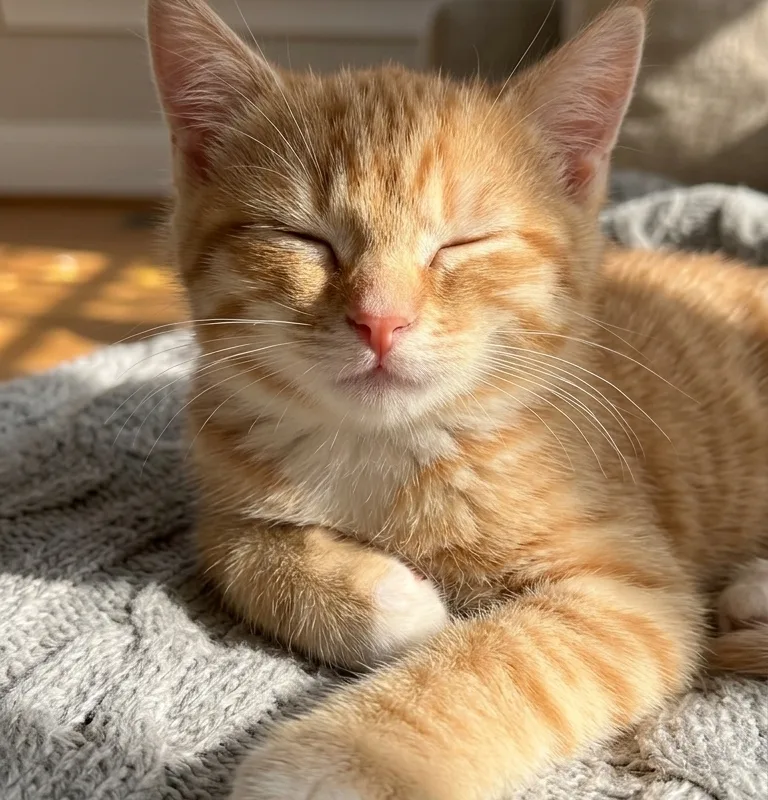
Golden hour turns a ginger kitten into a tiny sunbeam—if you know how to work with that warm, fleeting light. I've spent countless evenings chasing that glow with my own foster kittens, and here are the exact steps that get you dreamy, soft photos every time.
Advertisements1
- Golden hour provides warm, diffused light that enhances ginger fur and creates a soft, dreamy look.
- Shoot at the kitten's eye level with a wide aperture (f/1.8-f/2.8) for creamy bokeh and focus on the eyes.
- Keep sessions short and stress-free; use toys and treats to encourage natural behavior.
- Edit for warmth and softness: lift shadows, reduce clarity, and boost orange tones in HSL.
- You don't need expensive gear—good light and a 50mm f/1.8 lens (or even a smartphone) can yield stunning results.
Why Golden Hour and Ginger Kittens Are a Match Made in Heaven
Golden hour—the first hour after sunrise and the last hour before sunset—bathes everything in warm, diffused light. That warmth enhances a ginger kitten's orange tones, making them glow like they're lit from within. I've noticed that my foster kittens' fur looks richer and more vibrant during this window than at any other time of day.
The soft, directional light also creates gentle shadows that add depth without harshness. It's perfect for capturing the delicate details of their whiskers and the soft texture of their fur. Plus, the lower angle of the sun means you can shoot backlit portraits that rim-light their little ears and tails.
But the window is short—usually 30-45 minutes of ideal light. So you need to be prepared and quick. That's why I always scout a spot and have my camera settings ready before the light hits its peak.
Setting the Scene: Location and Background for Soft Aesthetics
Choose a spot with open shade or a backdrop that catches the golden light without dappling. I love using a plain wall or a large window with sheer curtains that diffuse the sun. Avoid busy backgrounds—they distract from the kitten and make editing a nightmare.
If you're outdoors, look for tall grass, a wooden fence, or a simple blanket draped over a chair. These textures complement the soft aesthetic without overpowering. I often place a cozy blanket in a patch of sunlight and let the kitten explore naturally.
Indoors, position yourself near a window that faces east or west, depending on the time. Use a white foam board as a reflector to bounce light back into the shadows. This simple trick fills in dark areas and keeps the overall look airy and soft.
Camera Settings for Dreamy, Soft-Focus Photos
Start with a wide aperture—f/1.8 to f/2.8—to create a shallow depth of field. This blurs the background into a creamy bokeh and keeps the focus on the kitten's eyes. I usually shoot in Aperture Priority mode so I can adjust quickly as the light changes.
Keep your ISO low (100-400) to avoid noise, and let the shutter speed fall where it may—just ensure it's at least 1/250s to freeze kitten movement. If the light is too bright, use a neutral density filter or increase your shutter speed. For backlit shots, spot-meter on the kitten's face to avoid underexposure.
White balance is crucial: set it to 'Shade' or 'Cloudy' to enhance the warm tones, or shoot in RAW and adjust later. I always shoot RAW because it gives me flexibility to fine-tune the golden hues without losing detail.
Composition Tricks for Cute, Scroll-Stopping Images
Get down to the kitten's eye level. This creates an intimate connection and makes the viewer feel like they're part of the scene. I lie on my stomach or use a low tripod to achieve this. It's worth the awkward angle.
Use the rule of thirds: place the kitten's eyes on the upper third line. If they're looking off-camera, leave space in the direction of their gaze. This adds a sense of story and anticipation. For a soft aesthetic, include negative space—let the background breathe.
Capture candid moments: a yawn, a paw swipe, or a curious tilt of the head. These are more engaging than stiff poses. I keep a toy wand nearby to direct their attention without stressing them. Patience pays off; the best shots happen when they're relaxed.
Editing for That Soft, Airy Golden Look
In Lightroom or your preferred editor, start by warming up the white balance slightly. Increase exposure and lift shadows to create an airy feel, but don't overdo it—you want to keep some contrast. I add a touch of 'Dehaze' to cut through any atmospheric haze from the golden light.
Reduce clarity and texture slightly to soften the fur and skin. Then, use a graduated filter or radial filter to enhance the glow around the kitten. I often add a subtle vignette to draw the eye inward.
For color grading, boost the oranges and yellows in the HSL panel to make the ginger fur pop, but desaturate greens and blues to keep the palette cohesive. Finally, add a bit of grain for a film-like texture if that suits your style. Remember, the goal is soft and dreamy, not overprocessed.
Keeping Your Kitten Comfortable and Safe
Never force a kitten to stay in one spot. Use treats, toys, and gentle encouragement. If they walk away, let them. I've learned that the best photos come when the kitten is naturally curious and playful. Keep sessions short—10-15 minutes max—and take breaks.
Watch for signs of stress: flattened ears, dilated pupils, or a tucked tail. If you see these, stop and give them space. A stressed kitten won't produce soft, relaxed expressions. Also, ensure the area is safe: no open windows, toxic plants, or small objects they could swallow.
I always have a partner or a friend help wrangle the kitten while I focus on shooting. It makes the session smoother and safer for everyone.
Gear That Helps (But Isn't Mandatory)
You don't need expensive gear. A DSLR or mirrorless camera with a 50mm f/1.8 lens is perfect. If you're using a smartphone, portrait mode can work, but be mindful of the artificial blur. I've taken some of my favorite shots with just my phone and good light.
A reflector (even a DIY one from cardboard and foil) can bounce light and fill shadows. A tripod helps for stability, but for candid kitten shots, handheld is often better for quick adjustments.
If you want to invest, a 85mm f/1.8 lens gives you more compression and background blur, which is ideal for portraits. But again, the light and the moment matter more than the gear.
How to Do It, Step by Step
- 1Scout Your Location in Advance
Visit your shooting spot the day before at golden hour to see how the light falls. Check for distracting backgrounds and note where you'll place the kitten. This saves precious minutes when the light is perfect. - 2Set Up Your Camera Before the Kitten Arrives
Pre-set your aperture, ISO, and white balance. Have your shutter speed ready. When the kitten is in place, you want to focus on capturing expressions, not fiddling with settings. - 3Use a Reflector to Fill Shadows
Place a white foam board or a commercial reflector opposite the light source. This bounces golden light into the shadow side of the kitten, creating a soft, even glow without harsh contrast. - 4Focus on the Eyes
Always lock focus on the eye closest to the camera. Use single-point autofocus for precision. Sharp eyes make the photo compelling, even if other parts are slightly soft. - 5Shoot in Bursts for Candid Moments
Kittens move fast. Use continuous shooting mode to capture a series of shots when they're playing or exploring. You'll increase your chances of getting that perfect, natural expression. - 6Edit with a Light Touch
Avoid over-editing. Warm the white balance, lift shadows slightly, and enhance oranges. Keep the skin tones natural and the overall feel soft and airy.
The secret to golden hour kitten photography isn't just the light—it's patience and letting the kitten be a kitten.
Frequently Asked Questions
What is the best time for golden hour kitten photography?
The best time is the first hour after sunrise or the last hour before sunset. During these times, the sun is low and the light is warm and soft, ideal for enhancing ginger tones.
How do I get my kitten to stay still for photos?
Use toys and treats to engage them, and keep sessions short. Let them explore naturally and be ready to capture candid moments rather than forcing poses.
What camera settings should I use for soft aesthetic photos?
Use a wide aperture (f/1.8-f/2.8), low ISO (100-400), and a shutter speed of at least 1/250s. Shoot in RAW for flexibility in editing.
Can I achieve the soft aesthetic with a smartphone?
Yes, use portrait mode and natural golden hour light. Avoid digital zoom and edit with apps like Lightroom Mobile to enhance warmth and softness.
How do I edit photos to get that dreamy golden look?
Warm the white balance, lift shadows, reduce clarity, and boost orange/yellow saturation. Add a subtle vignette and grain for a film-like feel.

Maya writes about sustainable living and zero-waste swaps for everyday families. She focuses on small, budget-friendly changes that actually stick, tested in her own chaotic kitchen.


