

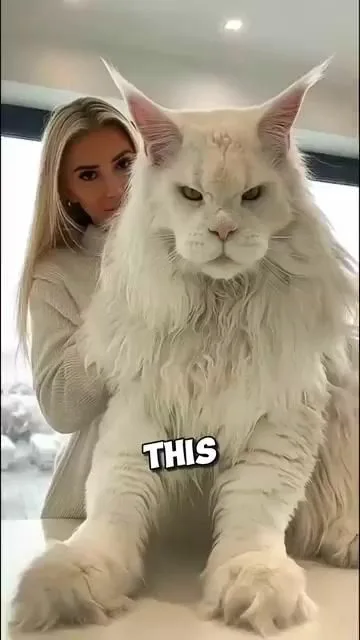
You’ve seen the photos: a massive cat draped over a toddler’s shoulders like a furry scarf. That’s not a filter—it’s a gentle giant, and if you want one, you need to know what you’re signing up for. This guide cuts through the marketing fluff and gives you the real numbers, gear, and techniques that keep these big cats healthy and sweet.
Advertisements1
- A gentle giant is defined by temperament and bone structure, not just weight—most healthy adults are 15–22 pounds.
- Skip flimsy cat gear: use a storage bin litter box, a wall-anchored sisal post, and a hard-sided dog crate.
- Feed 350–400 calories daily for a 20-pound cat, weighed in grams, and adjust based on monthly weigh-ins.
- Groom with a greyhound comb twice weekly and trim one paw per day to avoid stress.
- Screen for HCM with an echocardiogram at age 2 and every 2 years after—it’s the top health risk in Maine Coons and Ragdolls.
What Actually Makes a Cat a Gentle Giant?
Forget the Instagram hype—a gentle giant is defined by two things: a mature weight over 15 pounds and a temperament that stays calm under pressure. Breeds like the Maine Coon, Ragdoll, and Norwegian Forest Cat fit the bill, but so do plenty of mixed-breed rescues. The key is bone structure and personality, not papers. A true gentle giant moves deliberately, tolerates handling without flattening its ears, and seeks out human company instead of hiding. If a breeder promises a 30-pound lap cat, walk away. The world record for the longest domestic cat is 48.5 inches, but most gentle giants top out around 18–22 pounds. Anything heavier is usually obesity, not genetics.
The Gear You Actually Need (And What’s a Waste of Money)
Most cat products are designed for 8–10 pound animals. A flimsy $12 litter box will crack under a 20-pound cat’s paws. Skip the covered boxes—big cats need room to turn around. Buy a plastic storage bin (at least 24 inches long by 18 inches wide) and cut a 9-inch entry hole. That costs $15 and lasts forever. For scratching posts, look for 4×4-inch posts wrapped in sisal, not the carpet-covered cardboard tubes that wobble. A 20-pound cat launching off a 2-foot post will send it flying. I anchor mine to a stud with a 3-inch L-bracket. Total cost: $40. It’s saved my drywall.
Feeding a Giant Without Creating a Blob
Here’s the hard truth: gentle giants are prone to obesity because their owners overfeed “just a little extra.” A 20-pound cat needs roughly 350–400 calories per day, depending on activity. That’s about one 5.5-ounce can of wet food plus 1/4 cup of dry—not a free-flowing bowl. I weigh my cats monthly on a baby scale. If Bear gains 8 ounces in two weeks, I cut the dry food by 10%. Use a kitchen scale, not a measuring cup. Cups vary by 20% depending on how you scoop. Portion control isn’t cruel; it’s the difference between a 15-year-old gentle giant and a 9-year-old diabetic.
Handling and Grooming a 20-Pound Cat Without Injury
You can’t scoop a gentle giant like a kitten. Support the chest with one arm and the hindquarters with the other. Lift with your legs, not your back. I learned this after a 19-pound Maine Coon squirmed and I pulled a muscle. Now I kneel on one knee and bring the cat to my chest before standing. For grooming, a 20-pound cat has triple the undercoat. Use a stainless steel greyhound comb (not a slicker brush) twice a week. Start at the tail and work forward. If you hit a mat, don’t cut it—use a mat splitter and cornstarch to loosen it. A 10-minute session prevents painful clumps behind the ears and under the arms.
Training a Gentle Giant: Yes, They Learn Commands
Gentle giants aren’t dogs, but they’re smart enough to learn sit, come, and target. Use a clicker and tiny pieces of freeze-dried chicken. Sessions last 2 minutes, twice a day. I taught my Ragdoll, Nimbus, to sit on a stool for brushing. Why? Because it gives him control and makes grooming pleasant. Start with a high-value treat, lure the behavior, click, treat. Never force. If the cat walks away, session over. Big cats remember rough handling. One bad experience and you’ve lost a week of trust.
Health Red Flags Every Giant Owner Should Know
Gentle giants have specific risks: hypertrophic cardiomyopathy (HCM) in Maine Coons and Ragdolls, hip dysplasia in large breeds, and spinal issues from jumping off high furniture. Screen for HCM with an echocardiogram at age 2 and every 2 years after. It costs $300–$500, but catching it early adds years. Watch for open-mouth breathing, hiding, or sudden hind-leg weakness—those are emergencies. I keep a pet first-aid kit with a digital thermometer, styptic powder, and a 5-mL syringe for oral meds. Know your vet’s emergency number. A 20-pound cat in distress is harder to transport alone. Have a neighbor on call.
How to Do It, Step by Step
- 1Weigh Your Cat Monthly
Use a baby scale or weigh yourself holding the cat, then subtract your weight. Record it. A 5% gain in two weeks means cut food by 10%. This catches obesity before it becomes diabetes. - 2Upgrade the Litter Box
Buy a 24×18-inch plastic storage bin. Cut a 9-inch hole in one side. Fill with 3 inches of unscented clumping litter. Scoop twice daily. This prevents accidents and joint strain. - 3Anchor Scratching Posts
Choose a 4×4-inch sisal post at least 30 inches tall. Secure it to a wall stud with an L-bracket. A wobbly post gets ignored; a stable one saves your furniture. - 4Trim One Paw Per Day
Use scissor clippers and take only the clear tip. Do it while the cat eats wet food. By week’s end, all paws are done without a fight. - 5Schedule an HCM Echo at Age 2
Book an echocardiogram with a veterinary cardiologist. Repeat every 2 years. Early detection of heart disease can add 3–5 years to a gentle giant’s life. - 6Train with a Clicker for 2 Minutes
Use freeze-dried chicken. Click and treat for sit, come, or target. Stop before the cat loses interest. This builds trust and makes vet visits easier. - 7Portion with a Kitchen Scale
Weigh dry food in grams, not cups. A 20-pound cat needs 350–400 calories daily. Adjust based on monthly weigh-ins. No free-feeding.
The real test of a gentle giant isn’t how much it weighs—it’s whether it walks away when a toddler grabs its tail.
Frequently Asked Questions
What is the gentlest giant cat breed?
The Ragdoll is widely considered the gentlest giant due to its docile, floppy temperament and tendency to go limp when held. Maine Coons are a close second, but they’re more active and independent.
How much should a gentle giant cat weigh?
Most healthy gentle giants weigh between 15 and 22 pounds at maturity, with males typically 2–4 pounds heavier than females. Anything over 25 pounds is usually obesity, not genetics.
Do gentle giant cats need special food?
Yes—they need portion control and high protein. Aim for 40% protein on a dry-matter basis and 350–400 calories daily for a 20-pound cat. Avoid free-feeding and cheap fillers like corn and wheat.
Are gentle giant cats good with children?
Generally yes, if socialized early. Their size makes them sturdy, but always supervise interactions. Teach kids to support the cat’s chest and hindquarters and never pick it up by the front legs.
What health problems do gentle giant cats have?
They’re prone to hypertrophic cardiomyopathy (HCM), hip dysplasia, and spinal issues from jumping. Regular echocardiograms, weight management, and joint-friendly furniture help prevent problems.

Lucas covers technology and digital privacy, explaining complex topics in plain language for non-techies. He focuses on how everyday people can protect their data without being paranoid.


