

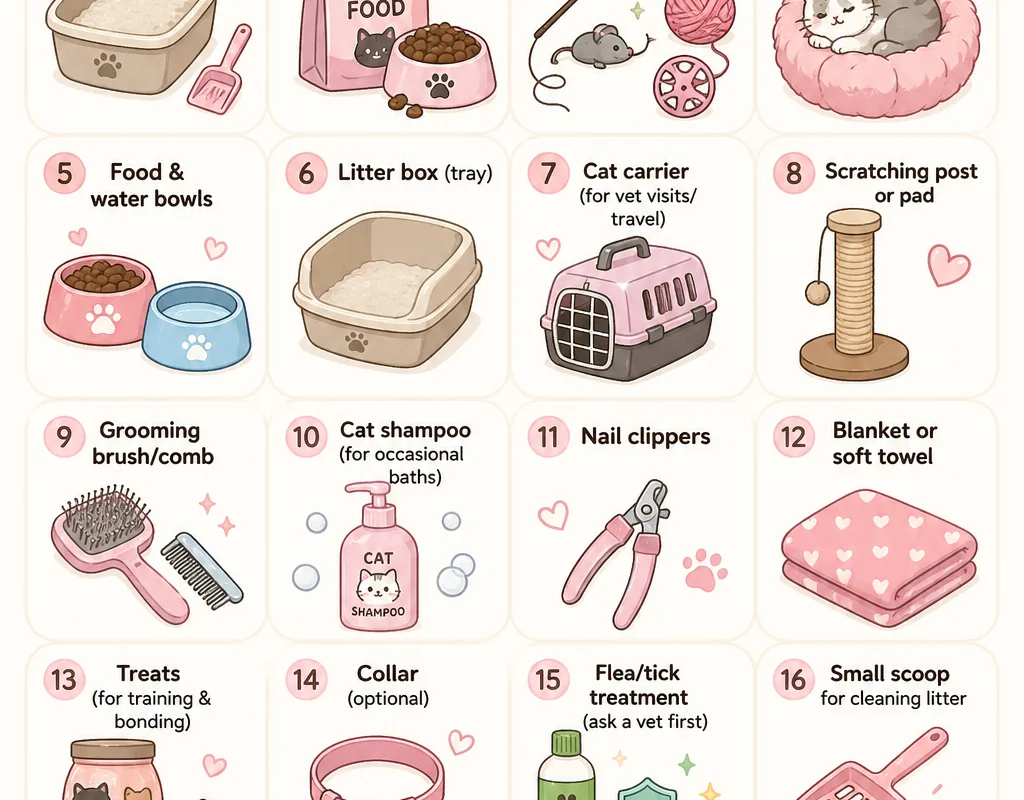
So you're bringing home a cat—congratulations! But before you open your door to that fluffy bundle of joy, let's make sure you have everything you need to keep them purring. From the obvious to the overlooked, here's your complete guide.
Advertisements1
- Cats need more than food and water—they require vertical space, scratching posts, and daily interactive play.
- Choose high-protein, meat-based food and measure portions to prevent obesity.
- Preventive vet care, including dental hygiene and parasite prevention, is essential for a long, healthy life.
- A clean litter box and a safe, enriched environment reduce stress and behavioral issues.
- Grooming, including brushing and nail trimming, keeps your cat comfortable and your home fur-free.
- Microchip your cat and keep identification updated—it's the best insurance for a lost pet.
The Essential Gear: Beyond Food and Water
When I adopted my first cat, I thought I had it all: a bowl, some kibble, and a litter box. But within a week, I realized I was missing crucial items. Here's what you actually need: a sturdy litter box (at least 1.5 times the length of your cat), unscented clumping litter (cats prefer unscented, and clumping makes cleanup easier), a ceramic or stainless steel bowl (plastic can harbor bacteria and cause chin acne), and a scratching post (sisal rope is a favorite). Don't forget a carrier—a hard-sided one is safest for travel. And yes, you need toys: wand toys, crinkle balls, and puzzle feeders to keep their minds sharp.
But here's the thing: not all gear is created equal. For example, covered litter boxes might seem private, but they trap odors and can make your cat feel trapped. Instead, opt for an open, high-sided box. And while automatic feeders are convenient, they can malfunction—so always have a backup plan. My advice? Start simple, observe your cat's preferences, and adjust. Cats are individuals, and what works for one may not work for another.
Finally, invest in a good brush. Even short-haired cats benefit from weekly brushing, which reduces hairballs and shedding. A rubber curry brush works wonders for short coats, while a slicker brush is great for long-haired breeds. And don't forget nail clippers—trimming nails every 2-3 weeks prevents scratches and keeps your furniture safe.
Nutrition: What to Feed and What to Avoid
Cats are obligate carnivores, meaning they need meat-based protein. Look for food with named meat as the first ingredient (e.g., 'chicken' not 'poultry by-product'). The ideal diet is high in protein (30-40% of dry matter) and moderate in fat. Avoid foods with artificial colors, flavors, or preservatives. And while dry food is convenient, it's often high in carbohydrates, which can lead to obesity and diabetes. A mix of wet and dry food is a good compromise—wet food provides hydration and is lower in carbs.
But how much to feed? A typical adult cat needs about 20 calories per pound of body weight per day. So a 10-pound cat needs roughly 200 calories. However, this varies with age, activity level, and metabolism. Use a kitchen scale to measure portions—free-feeding is a one-way ticket to obesity. And treats should never exceed 10% of daily calories. My go-to treat? Freeze-dried chicken bits—they're pure protein and cats go crazy for them.
Water is critical. Cats are notoriously bad at drinking enough, which can lead to urinary tract issues. Encourage drinking with a circulating water fountain—many cats prefer running water. Place multiple water bowls around the house, away from food (cats instinctively avoid water near their food source). And if your cat eats only dry food, consider adding a tablespoon of water to each meal.
Health and Wellness: Preventive Care Basics
A healthy cat is a happy cat. Start with a vet visit within the first week of adoption. Your vet will check for parasites, update vaccinations, and discuss spaying/neutering. Core vaccines include FVRCP (feline viral rhinotracheitis, calicivirus, panleukopenia) and rabies. Depending on lifestyle, your vet may recommend FeLV (feline leukemia virus) vaccine. Flea and tick prevention is essential year-round—even indoor cats can get fleas from you. I use a topical treatment monthly, but there are oral options too.
Dental care is often overlooked. Periodontal disease affects up to 70% of cats by age 3. Brush your cat's teeth daily with pet-safe toothpaste (never human toothpaste—it contains xylitol, which is toxic). If daily brushing is impossible, use dental wipes or dental treats. And schedule professional cleanings as recommended.
Watch for subtle signs of illness: hiding, changes in appetite or litter box habits, vomiting, diarrhea, or lethargy. Cats are masters at masking pain, so any behavior change warrants a vet call. Keep a record of your cat's weight—gradual weight loss or gain can indicate underlying issues. Lastly, microchip your cat and keep registration info updated. It's the best way to ensure they find their way home if lost.
Environment: Creating a Cat-Friendly Home
Cats need vertical space. Install cat trees or shelves at varying heights—cats feel safer when they can survey their territory from above. Provide at least one scratching post per cat, placed near where they sleep. And remember: cats are territorial. In multi-cat households, have separate resources: litter boxes (one per cat plus one extra), food bowls, water bowls, and sleeping spots. This reduces stress and conflict.
Hiding spots are crucial. A covered cat bed or even a cardboard box can be a sanctuary. But don't force interaction—let your cat come to you. Use pheromone diffusers (like Feliway) to reduce anxiety, especially during transitions. And keep toxic plants out of reach: lilies, azaleas, and philodendrons are deadly. Check the ASPCA's toxic plant list before bringing any greenery home.
Window perches are a cat favorite—they provide entertainment and sunlight (essential for vitamin D synthesis). But secure screens! Cats can fall from open windows. Also, be mindful of small objects: hair ties, rubber bands, and string can cause intestinal blockages if swallowed. My cat once swallowed a ribbon—a $1,200 surgery later, I now keep all strings locked away.
Play and Enrichment: Keeping Boredom at Bay
A bored cat is a destructive cat. Aim for two 15-minute play sessions daily, ideally before meals (mimicking the hunt-eat-groom-sleep cycle). Wand toys that mimic prey—birds, mice, bugs—are best. Move the toy like real prey: erratic, unpredictable. Let your cat catch it occasionally to feel successful. Rotate toys weekly to prevent boredom. Puzzle feeders are also great—they make your cat work for food, which taps into their natural foraging instincts.
Clicker training is another fantastic enrichment tool. Yes, cats can be trained! Start with a clicker and high-value treats. Reward small steps: looking at the target, touching it, following it. Soon you can teach sit, high-five, or even fetch. It strengthens your bond and provides mental stimulation. I've trained my cat to sit on cue—it's adorable and impressive.
Don't underestimate the power of simple things: a cardboard box, a paper bag with the handles cut off, or a crumpled foil ball. Cats are easily amused. But avoid laser pointers as the sole toy—they can cause frustration since the 'prey' is never caught. If you use one, end with a tangible reward like a treat or a toy they can catch.
Grooming and Hygiene: Keeping Your Cat Clean
Cats are fastidious self-groomers, but they still need help. Brush your cat 2-3 times a week to reduce hairballs and matting. Long-haired breeds need daily brushing. Baths are rarely necessary unless your cat gets into something toxic or has a skin condition. If you must bathe, use a cat-specific shampoo and warm water—never human shampoo, which can dry out their skin.
Nail trimming is a must. Start young by handling their paws daily. Use sharp cat nail clippers and trim only the clear tip—avoid the pink quick. If you're nervous, ask your vet to demonstrate. Ear cleaning: check ears weekly for redness or debris. Use a vet-approved ear cleaner and cotton balls—never Q-tips, which can damage the ear canal. Dental care, as mentioned, is vital. If brushing is a battle, try dental gels or water additives.
Litter box hygiene is non-negotiable. Scoop at least once daily, and fully change litter weekly. Wash the box with mild soap and water—avoid harsh chemicals. If your cat stops using the box, it's often a medical issue (like a UTI) or a sign the box is too dirty. Never punish—clean it and see the vet. A clean box is a happy cat.
How to Do It, Step by Step
- 1Set Up a Safe Room
Before bringing your cat home, designate a quiet room with all essentials: litter box, food, water, bed, and toys. This gives them a safe space to adjust. Keep the door closed initially and let them explore at their own pace. Gradually introduce them to the rest of the house over a few days. - 2Choose the Right Litter
Most cats prefer unscented, clumping litter with a fine, sandy texture. Avoid scented litters and crystals, which can irritate paws and respiratory systems. If your cat doesn't use the box, try a different litter—it's often the culprit. - 3Establish a Routine
Cats thrive on routine. Feed at the same times daily, play before meals, and keep litter box cleaning consistent. This reduces stress and builds trust. Use a schedule that works for you—cats will adapt. - 4Cat-Proof Your Home
Secure windows, hide cords, and store toxic substances (cleaners, medications) in closed cabinets. Check for small objects that can be swallowed. Consider childproof latches for cabinets. And always check the washer and dryer before running them—cats love warm, cozy spaces. - 5Schedule a Vet Visit
Within the first week, take your cat to the vet for a full checkup. Discuss vaccinations, parasite prevention, and spaying/neutering. Establish a relationship with a vet you trust—it's crucial for ongoing care. - 6Invest in Interactive Play
Buy a variety of wand toys, balls, and puzzle feeders. Rotate them to keep novelty high. Play with your cat daily—it's the best way to prevent behavior problems and strengthen your bond.
The secret to a happy cat isn't just meeting their needs—it's exceeding them with an environment that honors their instincts.
Frequently Asked Questions
What do I need to buy before getting a cat?
At minimum: litter box, litter, food and water bowls, cat food, scratching post, carrier, toys, and a bed. But also consider a brush, nail clippers, and dental care supplies.
How often should I feed my cat?
Adult cats should be fed twice daily, ideally measured meals rather than free-feeding. Kittens need more frequent meals—three to four times a day.
Do indoor cats need flea treatment?
Yes, indoor cats can still get fleas, which can hitchhike on your clothes or other pets. Year-round prevention is recommended.
What plants are toxic to cats?
Lilies, azaleas, philodendrons, and many others are toxic. Always check the ASPCA's toxic plant database before bringing plants home.
How can I keep my cat entertained when I'm away?
Provide puzzle feeders, window perches, and interactive toys. Consider a cat tree and leave a radio or TV on low for company.

Priya explores creative writing prompts and storytelling techniques for aspiring authors. She shares exercises to spark imagination and build narrative confidence, drawn from her own writing practice.


