

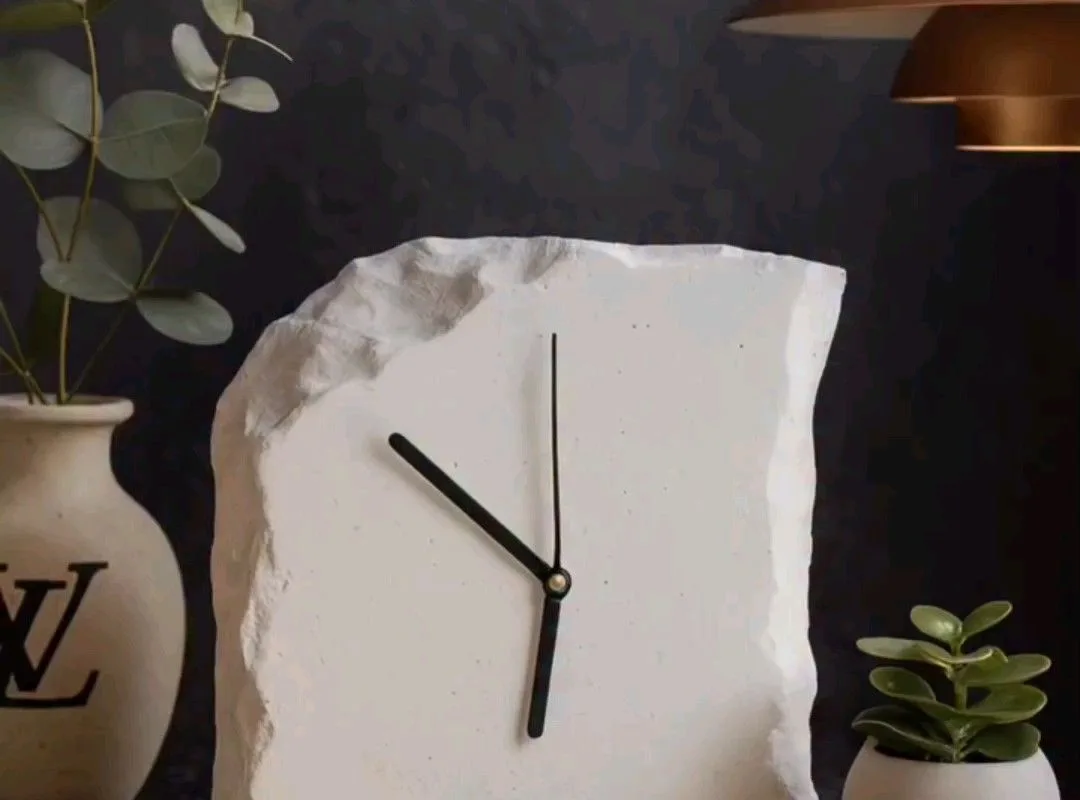
You don't need a renovation to make your home feel upgraded—just a few targeted tweaks. These 10 DIY hacks are quick, cheap, and deliver immediate visual impact.
Advertisements1
- Replacing cabinet hardware can modernize a kitchen for under $100 and in 30 minutes.
- LED bulbs with 2700K–3000K create warm, inviting light; avoid 5000K+ in living spaces.
- Peel-and-stick backsplash works best on clean, grease-free walls and costs under $50.
- A grout pen can restore dirty grout in an hour, but apply thin, even coats and let cure for 24 hours.
- Hang gallery walls at eye level (57–60 inches) and use removable hooks for damage-free installation.
Why Small DIY Upgrades Work
Most homes don't need a full remodel to feel refreshed. The problem is that we overlook the small details—outdated hardware, dim lighting, cluttered surfaces—that drag down the overall look. By focusing on high-impact, low-effort changes, you can transform a space in an afternoon. These hacks target the elements that your eye notices first: light, texture, and organization. Each hack is designed to be completed with basic tools and minimal mess, so you can see results fast. And because they're reversible, you can experiment without commitment.
1. Swap Out Cabinet Hardware
Replacing cabinet knobs and pulls is one of the fastest ways to modernize a kitchen or bathroom. It takes about 30 minutes with a screwdriver and costs $30–$100 for a full set. The reason it works: hardware is like jewelry for your cabinets—it adds personality and can shift the style from traditional to contemporary. Choose a finish that complements your faucet and lighting (e.g., matte black, brushed brass, or nickel). A common mistake is buying hardware that doesn't match the existing hole spacing. Measure the distance between screw holes (standard is 3 or 4 inches) before ordering, or you'll be drilling new holes—a job you want to avoid.
2. Add a Peel-and-Stick Backsplash
A peel-and-stick backsplash can instantly brighten a kitchen or bathroom for under $50. These tiles are easy to cut with scissors and install in a couple of hours. They work because they cover bland walls with texture and color, creating a focal point. Look for options with a subtle pattern to avoid visual clutter. The mistake to avoid: applying them over greasy or dusty walls. Clean the surface with a degreaser and let it dry completely, or the adhesive will fail within weeks. Also, avoid placing them directly behind a stovetop unless they're rated heat-resistant.
3. Upgrade Lighting with LED Bulbs
Swapping incandescent bulbs for LEDs in your most-used fixtures can change the mood and lower your energy bill. Choose bulbs with a color temperature of 2700K–3000K for warm, inviting light in living areas, and 4000K for task areas like kitchens. The why: lighting is the most overlooked design element—it can make a room feel cozy or clinical. A common mistake is buying bulbs with too high a Kelvin rating (5000K+) for living spaces, which creates a harsh, blue-toned glare. Also, check the lumen output: for a table lamp, 450–800 lumens is plenty; for overhead, aim for 1000–1500 lumens.
4. Conceal Cords and Cables
Tangled cords are an instant eyesore. Use cable management boxes, adhesive clips, or spiral wrap to hide them. This works because clutter creates visual noise, and hiding cords makes a room feel tidy and intentional. Start with your entertainment center and home office. A common mistake is using cheap double-sided tape that leaves residue or fails under weight. Instead, use Command strips or screw-mounted clips for heavier cables. For a quick win, bundle cords behind your TV with a zip tie and a cable sleeve—it takes 10 minutes and costs under $15.
5. Refresh Grout with a Grout Pen
Dirty grout makes even clean tiles look grimy. A grout pen (or grout paint) can restore the crisp white lines in about an hour. It works because it's a quick cosmetic fix that brightens the entire floor or wall. Before applying, clean the grout with a brush and let it dry. The mistake: applying too thick a layer, which flakes. Use light, even strokes and let it cure for 24 hours. For high-traffic areas, consider a grout sealer afterward to prolong the effect.
6. Create a Gallery Wall with Removable Hooks
A gallery wall adds personality and fills empty space. Use removable hooks to avoid damaging walls—perfect for renters. This works because it creates a curated focal point that draws the eye and makes a room feel designed. Plan your layout on the floor first, keeping 2–3 inches between frames. A common mistake is hanging art too high; the center of the arrangement should be at eye level (about 57–60 inches from the floor). Also, mix frame sizes and orientations for visual interest.
The Hacks, Step by Step
- 1Start with a quick win: swap one light bulb
Replace the bulb in your most-used lamp with a 2700K LED. It takes 30 seconds and instantly warms the room. - 2Measure before buying cabinet hardware
Use a tape measure to check the distance between screw holes on your existing cabinets. Order hardware with the same spacing to avoid drilling. - 3Clean walls before applying peel-and-stick tiles
Wipe with a degreaser and let dry. This ensures the adhesive bonds properly and prevents peeling. - 4Use a grout pen on a small test area first
Apply to a hidden spot to check color match and coverage. Let it dry, then proceed if satisfied. - 5Plan your gallery wall on the floor
Arrange frames on the floor to find a balanced layout. Use painter's tape to mark positions on the wall before hanging.
The most impactful upgrades are often the ones you see every day but never notice—until you change them.
Frequently Asked Questions
What is the easiest DIY home upgrade?
Swapping light bulbs to LEDs is the easiest—it takes seconds and instantly changes the mood. Choose 2700K for warm light in living areas.
How can I upgrade my kitchen without spending a lot?
Replace cabinet hardware and add a peel-and-stick backsplash. Both are under $100 and can be done in an afternoon.
Do peel-and-stick tiles damage walls?
They can if the wall isn't properly prepped or if you remove them carelessly. Clean the wall first and use a hairdryer to soften adhesive when removing.
What's the best way to hide TV cords?
Use a cable management box or wall-mounted clips. For a quick fix, bundle cords with a zip tie and cover with a cable sleeve.
How do I make my home look more expensive on a budget?
Focus on lighting, hardware, and decluttering. Warm LED bulbs, matching cabinet pulls, and cord concealment create a polished look for under $200.


