

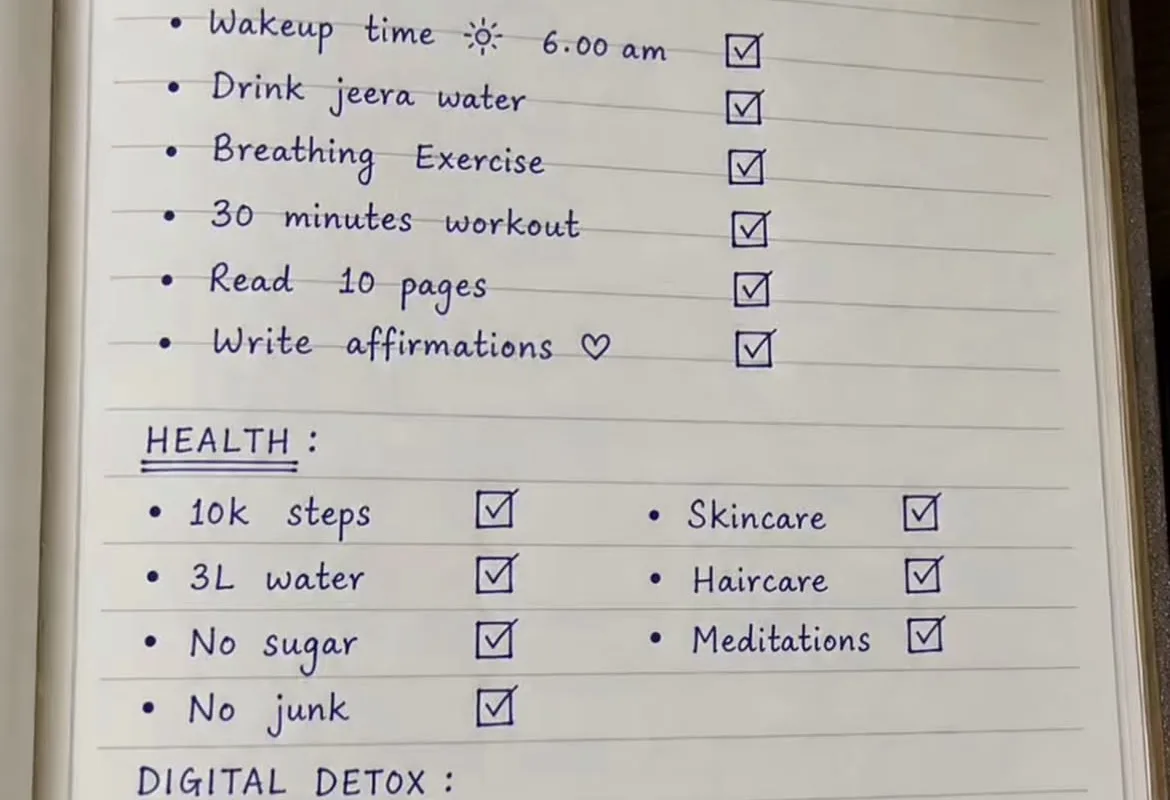
Welcome to Day 1 of your 45-day challenge—I'm so glad you're here. Whether you're aiming to build a habit, break one, or simply carve out a little more intention, today is about one thing: beginning without pressure. Let's make this first day feel like a warm invitation, not a rigid demand.
Advertisements1
- 45 days is a balanced timeframe for meaningful change without burnout.
- Start with a tiny habit—so small you can't say no.
- Anchor your new habit to an existing routine for automaticity.
- Missing a day is normal; the key is to resume without self-criticism.
- Visual tracking and immediate celebration boost consistency.
- Your intention, not the goal, keeps you going on tough days.
Why 45 Days? The Science of Gentle Consistency
You've probably heard of the 21-day habit myth, but research suggests that automaticity—when a behavior becomes second nature—takes an average of 66 days, with a range from 18 to 254. So why 45? It's a sweet spot: long enough to see real change, short enough to stay motivated. I've used 45-day sprints for everything from daily walks to a digital sunset, and that middle ground keeps me engaged without feeling overwhelmed.
Think of 45 days as a gentle season of focus. It's not about perfection; it's about showing up. On my first 45-day challenge, I aimed to write 200 words every morning. I missed three days, but I still finished with over 8,000 words. The magic wasn't in flawless execution—it was in returning, again and again, with kindness.
Set Your Intention, Not Just a Goal
Goals are destinations; intentions are the compass. For this challenge, define one clear intention: 'I want to feel more energized' or 'I want to quiet my mind before bed.' Write it down and place it where you'll see it daily. This is your anchor when motivation wanes.
When I started my 45-day yoga journey, my goal was 'do yoga every day.' But my intention was 'to listen to my body.' That shift made it easier to rest when needed and celebrate small wins. Ask yourself: What feeling or quality do you want to cultivate? Let that guide your actions.
Start with a Tiny, Almost Ridiculous Habit
The key to lasting change is to make the initial step so small you can't say no. Instead of 'exercise for 30 minutes,' commit to 'one yoga pose' or 'a 5-minute walk.' This is what BJ Fogg calls the 'tiny habits' method. On Day 1, I did just two sun salutations—it took less than 5 minutes, but it ignited the momentum.
Why does this work? It lowers the barrier to starting, and once you're moving, you often do more. The win is the act itself, not the duration. So, what's your tiny version? Maybe it's one page of reading, one deep breath, or one glass of water. Start there.
Anchor Your New Habit to an Existing Routine
You already have daily rituals—brushing your teeth, making coffee, checking your phone. Attach your new habit to one of these anchors. For example, 'After I pour my morning coffee, I will write one sentence in my journal.' This creates a natural cue that triggers the behavior.
I used this trick to build a meditation practice. Every time I buckled my seatbelt in the car, I took three mindful breaths. Within a week, it became automatic. What's a reliable anchor in your day? Pair your habit with it, and you'll have a built-in reminder.
Plan for the Slip-Ups—They Will Happen
No challenge is linear. You'll have days when you forget, feel unmotivated, or life just gets in the way. That's okay. The research on habit formation shows that missing one day doesn't derail progress—it's the 'what-the-hell effect' that does. If you stumble, simply resume the next day without self-judgment.
I remember missing two days during my 45-day water-drinking challenge because of a busy trip. Instead of quitting, I returned to my tiny habit (a glass of water before breakfast) and finished strong. Plan your comeback: What will you do if you miss a day? A simple 'I'll start again tomorrow' is enough.
Track Progress with a Simple Visual
A visual tracker—like crossing off days on a calendar or using a habit app—reinforces your commitment. Each mark is a small victory. I use a paper calendar with a gold star for each day; seeing that chain grow is oddly satisfying. It's also a gentle accountability partner.
If you prefer digital, apps like Habitica or Streaks work well. The key is to keep it simple. On Day 1, set up your tracker. Place it where you'll see it every day. The visual reminder keeps your intention alive.
Celebrate Every Step, Especially the Small Ones
When you complete your tiny habit, take a moment to celebrate. It could be a mental 'yes!', a fist pump, or a few seconds of gratitude. This positive emotion reinforces the behavior, making it more likely to stick. Neuroscience shows that rewards strengthen neural pathways.
During my 45-day reading challenge, I celebrated each chapter with a cup of tea. That simple ritual turned reading into a treat, not a chore. How will you celebrate today's success? A smile counts. Acknowledge your effort—you're showing up for yourself.
How to Do It, Step by Step
- 1Define your intention
Write one sentence: 'I want to feel ___' or 'I want to cultivate ___'. This becomes your compass for the next 45 days. - 2Choose a tiny habit
Pick a version so small it feels almost silly—like 2 minutes of stretching or one page of reading. This lowers resistance and builds momentum. - 3Attach it to an anchor
Pair your new habit with an existing routine, such as 'after I brush my teeth, I will meditate for one minute.' The anchor triggers the habit. - 4Set up a visual tracker
Use a calendar, a journal, or an app to mark each day. Place it somewhere visible. The visual streak is motivating. - 5Plan your comeback
Decide now what you'll do if you miss a day. A simple 'I'll resume tomorrow' is enough. No guilt, just return. - 6Celebrate immediately
After completing your tiny habit, take 5 seconds to savor the win. A smile, a mental high-five, or a small reward reinforces the behavior.
The first step is the only step that matters—and it can be as small as a single breath.
Frequently Asked Questions
What if I miss a day during the 45-day challenge?
It's completely fine—missing one day doesn't break your progress. Simply resume the next day with your tiny habit, and avoid the 'all-or-nothing' mindset.
How do I stay motivated for 45 days?
Rely on your intention and visual tracker, and celebrate small wins. Also, remember that motivation fluctuates; consistency comes from systems, not willpower.
Can I change my habit mid-challenge?
Yes, if you find your habit isn't working, adjust it. The goal is to build a sustainable practice, not to stick to a rigid plan. Just keep your intention in mind.
What if my habit feels too big on some days?
On tough days, scale it down further—even one minute counts. The key is to do something, no matter how small, to maintain the streak and your self-trust.

Sofia writes about mindful living and personal wellness, exploring habits that nurture mental and physical health. She shares gentle, realistic suggestions for creating calm in a busy world.


