

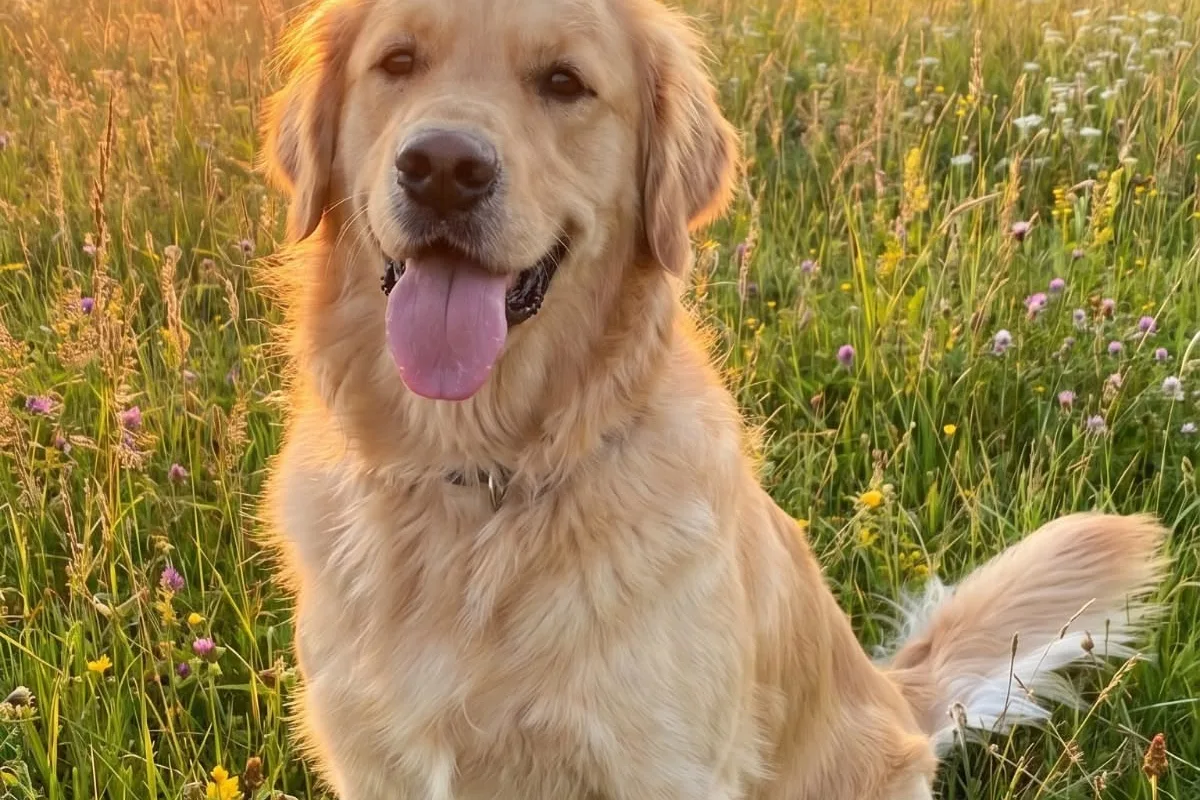
Cute isn't just about looks—it's about health, grooming, and behavior. As a dog trainer with 12 years of experience, I'll show you exactly how to keep your dog looking and feeling their best, with concrete numbers and zero fluff.
Advertisements1
- Budget $1,500-$2,000 annually for routine care; save $125/month to avoid skipping essentials.
- Brush 3-4 times weekly, trim nails every 3-4 weeks, bathe every 4-6 weeks—more is not better.
- Feed a diet with named meat first and at least 25% protein; add fish oil for coat health.
- Train 5 minutes twice daily; four cues (sit, stay, come, leave it) prevent most behavior issues.
- Annual vet visits and daily brushing prevent dental disease, which affects 80% of dogs by age 3.
- Photograph at eye level in natural light; use treats and burst mode for the best shots.
The Real Cost of Cute: Budgeting for Your Dog's Appearance
Cuteness has a price tag. A professional grooming session every 6 weeks costs $60-$80 for a small breed, totaling $520-$690 per year. Add dental chews ($15/month), premium food ($50/month), and toys ($20/month), and you're looking at $1,500-$2,000 annually just for maintenance. That's before emergency vet visits, which average $800-$1,500.
Instead of reactive spending, set up a dedicated pet savings account. Deposit $125 per month—that's $1,500 per year—to cover routine and unexpected costs. This prevents you from skipping grooming or vet visits when money is tight, which directly impacts your dog's health and cuteness.
Track your spending for one month. You'll likely find that 30% goes to treats and toys that your dog doesn't need. Redirect that to high-quality food and preventive care. A healthy dog with a shiny coat and clean teeth is inherently cuter than one with dental disease and obesity.
Grooming Frequency: The 80/20 Rule for Maximum Cuteness
Eighty percent of your dog's cuteness comes from 20% of grooming efforts: brushing, nail trimming, and ear cleaning. Brush your dog 3-4 times per week for 5-10 minutes. This distributes natural oils, removes dead hair, and prevents mats. For double-coated breeds like Huskies, use an undercoat rake—it reduces shedding by up to 90%.
Trim nails every 3-4 weeks. Overgrown nails cause pain and deform the paw, making your dog walk awkwardly. Use a grinder instead of clippers to avoid splitting. If you can hear nails clicking on the floor, they're too long. Ear cleaning should be done weekly with a vet-approved solution—never use Q-tips, which can push debris deeper.
Bathe your dog every 4-6 weeks. More frequent bathing strips natural oils, leading to dry, itchy skin. Use a gentle oatmeal shampoo. After bathing, dry thoroughly, especially in skin folds—moisture there causes infections. A clean, well-groomed dog not only looks cuter but also feels better, which shows in their behavior.
Nutrition for a Glossy Coat and Bright Eyes
Diet directly affects coat shine, eye clarity, and energy. Look for dog food with named meat as the first ingredient (e.g., 'Chicken' not 'Poultry'). Protein should be at least 25% for adults, 30% for puppies. Omega-3 fatty acids (EPA and DHA) at 0.5% of diet improve coat condition. Add a fish oil supplement: 20-55 mg/kg EPA+DHA daily. For a 10 kg dog, that's 200-550 mg.
Avoid artificial colors, preservatives (BHA, BHT), and by-products. These can cause allergies, leading to paw licking and hair loss. A 2019 study found that dogs fed a balanced, whole-food diet had 30% fewer skin issues. Transition foods over 7-10 days to prevent digestive upset.
Treats should make up no more than 10% of daily calories. For a 10 kg dog needing 400 calories/day, that's 40 calories—about 4 small training treats. Overfeeding treats leads to obesity, which shortens lifespan by up to 2.5 years. Keep your dog lean; you should feel ribs easily but not see them.
Behavior Training: The Cute Factor You Can't Fake
A well-behaved dog is perceived as cuter. Jumping on guests, barking incessantly, and pulling on leash undermine even the fluffiest appearance. Train 5 minutes, twice daily. Short sessions prevent boredom and reinforce learning. Use positive reinforcement: reward desired behaviors with treats, praise, or play.
Teach four foundational cues: sit, stay, come, and leave it. These prevent 80% of problem behaviors. For sit, lure with a treat above the nose, then reward when the butt hits the floor. Repeat 10 times per session. Within 3 days, most dogs respond to a verbal cue alone.
Socialize your puppy between 3 and 14 weeks. Expose them to 100 different people, places, and sounds. A well-socialized dog is confident, calm, and friendly—traits that make them genuinely adorable. Enroll in a puppy class ($100-$200 for 6 weeks). The investment pays off in avoided behavioral issues, which are the top reason dogs are surrendered to shelters.
Health Checks: The Hidden Key to Long-Lasting Cuteness
Annual vet visits catch issues before they become expensive and disfiguring. Dental disease affects 80% of dogs by age 3. Professional cleaning under anesthesia costs $300-$600, but brushing daily at home reduces the need by 60%. Use dog-specific toothpaste—human toothpaste is toxic.
Vaccinations: core vaccines (distemper, parvovirus, adenovirus, rabies) are essential. Non-core (Bordetella, Lyme) depend on lifestyle. Titers can measure immunity instead of automatic boosters, saving $50-$100 per year and reducing vaccine reactions.
Parasite prevention: year-round flea, tick, and heartworm meds cost $150-$300 annually. Skipping them risks heartworm treatment ($1,000+) or flea infestations ($200+ to eradicate). Weigh your dog monthly. A 5% weight gain is a red flag. Early intervention for weight gain costs nothing; treating obesity-related diseases costs thousands.
Photography Tips: Capturing Your Dog's Cuteness
Great photos don't require a DSLR. Use your smartphone's portrait mode. Shoot at eye level—get down on the floor. Natural light is best: shoot during golden hour (first hour after sunrise, last hour before sunset). Avoid flash, which causes red-eye and flattens features.
Treats are your best prop. Hold a treat just above the camera lens to get alert, ears-forward expressions. Use a fast shutter speed (1/500s or higher) to freeze motion. Burst mode increases your chance of catching the perfect moment. For every 100 shots, expect 5-10 keepers.
Background matters. A cluttered background distracts. Use a plain wall or greenery. If indoors, open curtains and turn on lights. Edit minimally: adjust exposure and contrast. Over-editing looks unnatural. Print your favorites—a 4×6 print costs $0.30 at a lab. A gallery wall of 12 prints costs under $20 and brings daily joy.
How to Do It, Step by Step
- 1Brush daily for 5 minutes
Use a slicker brush for short coats, undercoat rake for double coats. This removes loose hair, prevents mats, and distributes oils for a shiny coat. Do it while watching TV to build a habit. - 2Trim nails every 3 weeks
Use a grinder to avoid splitting. If nails touch the floor when standing, they're too long. Overgrown nails cause pain and poor posture. - 3Feed a high-protein diet
Choose food with named meat first, at least 25% protein. Add fish oil for omega-3s (20-55 mg/kg EPA+DHA). This improves coat and reduces inflammation. - 4Train 5 minutes twice daily
Focus on sit, stay, come, leave it. Use positive reinforcement. Short sessions prevent boredom and build reliability. A well-trained dog is safer and cuter. - 5Schedule annual vet visits
Even healthy dogs need yearly exams. Vaccinations, dental checks, and bloodwork catch issues early. Budget $200-$400 per year for routine care. - 6Socialize your puppy early
Expose to 100 different people, places, and sounds before 14 weeks. This prevents fear-based behaviors that make dogs less adoptable and less cute. - 7Take photos in natural light
Shoot at eye level during golden hour. Use treats to get attention. Burst mode captures the perfect expression. Print your favorites.
Cuteness is 20% genetics and 80% care—a healthy, well-trained dog will always outshine a neglected one.
Frequently Asked Questions
How often should I bathe my dog?
Every 4-6 weeks for most breeds. Bathing more often strips natural oils, causing dry, itchy skin. Use a gentle oatmeal shampoo and dry thoroughly.
What should I feed my dog for a shiny coat?
A diet with named meat first and at least 25% protein, plus omega-3 supplements (20-55 mg/kg EPA+DHA daily). Avoid artificial preservatives and by-products.
How can I make my dog look cuter?
Regular grooming, a healthy weight, and good behavior are key. Brush daily, trim nails, and train basic cues. A well-cared-for dog naturally looks cuter.
How much does it cost to keep a dog cute?
Routine grooming, food, and vet care cost $1,500-$2,000 per year. Set aside $125 monthly to cover these expenses without stress.
Do I need to brush my dog's teeth?
Yes, daily brushing prevents dental disease, which affects 80% of dogs by age 3. Use dog-specific toothpaste and a finger brush. Professional cleanings cost $300-$600.

Diego covers personal finance and investing for freelancers and gig workers. His angle is practical money management for irregular income, from budgeting to tax basics.


