

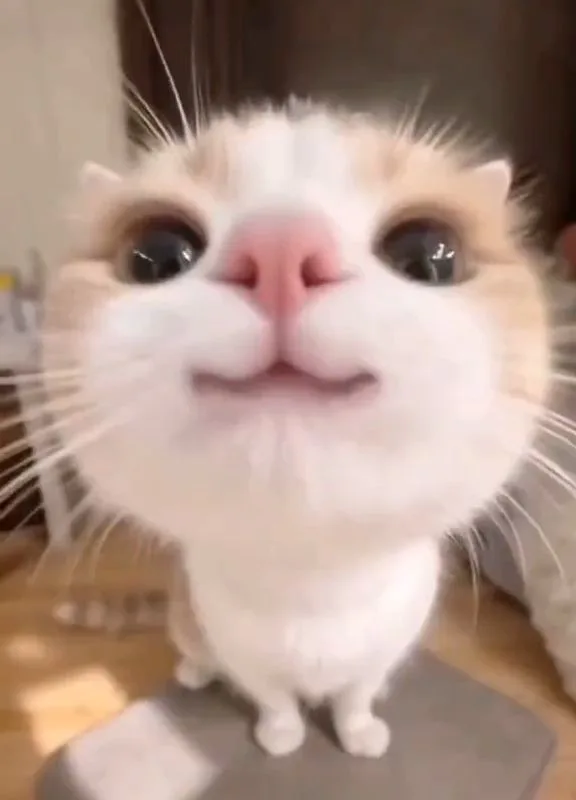
The softest corners of a home often hold a cat — a tail curled in morning light, a paw tucked under a chin. This guide shares quiet, practical ways to bring that gentle aesthetic into your space, without losing the cat to the clutter.
Advertisements1
- Soft, directional light matters more than any prop or filter.
- Build your palette around warm neutrals so the cat is the only saturated element.
- Texture — wool, linen, worn wood — reads as timeless and cats prefer it.
- Negative space gives the eye rest and makes the cat the quiet subject.
- The best moments are unposed; wait for slow blinks and stretches.
- Edit gently: lift shadows, warm slightly, and stop before it looks edited.
Start with Light, Not Props
The most common mistake I see is people buying tiny hats and elaborate backdrops before they understand how light moves through their home. Cute cat aesthetic begins with light — soft, diffused, and directional. In my own apartment, I have one north-facing window that gives a cool, even glow from 9 to 11 a.m. That is when my cat, Miso, looks like a watercolor. I stopped fighting it. I moved a small wool blanket there, and now she chooses it herself.
Avoid harsh overhead bulbs at all costs. They flatten fur and cast hard shadows under the eyes. Instead, use a sheer curtain or a white foam board as a bounce. If you shoot with a phone, tap on the brightest part of the fur and then drag the exposure down by about 0.7 stops. You will keep the texture of the whiskers instead of blowing them out into white lines.
This is not about perfection. It is about noticing. When the light is right, you do not need to pose the cat. You just need to be there, quiet, with your camera already in your hand.
Choose a Palette That Flatters Fur
Cats come in a hundred subtle colors — smoke, cream, cinnamon, blue — and most homes are decorated in colors that fight them. A stark white wall can make a gray tabby look dull. A saturated teal sofa can turn a ginger cat into a neon blur. The fix is simpler than you think: build around warm neutrals. Oatmeal, clay, mushroom, and faded terracotta all make fur look richer because they sit close to the cat's own undertones.
I learned this the hard way after buying a bright emerald throw that made Miso look like a shadow. I swapped it for a washed linen in a color called 'mushroom' and suddenly her eyes — a pale celadon green — became the focal point. That is the trick: let the cat be the only saturated thing in the frame.
If you want a pop of color, put it far from the cat. A single dried eucalyptus stem in a ceramic vase, a stack of books in muted blue. The eye will travel there and then return to the cat, rested. Less competition, more cat.
Texture Over Trend: Wool, Linen, and Worn Wood
Trendy cat accessories — plastic tunnels, neon toys, printed beds — photograph badly because they are too shiny and too specific. They date quickly. Instead, invest in textures that age well: a felted wool cave, a crumpled linen blanket, a raw-edged wooden perch. These read as soft and timeless on camera, and more importantly, cats actually prefer them. Wool holds warmth and scent. Linen breathes. Wood offers a cool surface for a hot afternoon.
My own rule is simple: if it looks like it came from a pet store window, it stays in the closet. If it looks like it could have been in a quiet farmhouse for fifty years, it stays out. I have a small stool made from a single piece of ash. Miso sleeps on it every afternoon from 2 to 4. The grain of the wood and the curve of her spine make a composition I never get tired of.
One caution: avoid loose weave blankets that snag on claws. A tight weave or felted wool is safer. You want the texture to invite touch, not catch and tear.
Compose with Negative Space
Amateur cat photos are often too full — a toy here, a food bowl there, a human foot in the corner. The cute cat aesthetic depends on emptiness. Give the cat room to breathe in the frame. If you are shooting with a phone, step back and then crop in later. Leave at least one third of the image as empty floor, wall, or sky.
I once spent an entire afternoon trying to capture Miso on a windowsill. Every shot felt busy. Then I moved a single ceramic mug out of the frame and suddenly the image worked. That one small subtraction changed everything. The eye had a place to rest, and so did she.
Negative space is not wasted space. It is where the viewer's imagination lives. It suggests quiet, calm, and the slow rhythm of a cat's day. When you look at a photo and feel your shoulders drop, that is negative space doing its job.
Capture the In-Between Moments
The most charming cat photos are rarely the ones where the cat is looking directly at you. They are the in-between moments: a slow blink, a paw mid-stretch, a tail curling around a chair leg. These feel authentic because they are unposed. To get them, you need to be patient and a little invisible. Sit on the floor. Do not call the cat. Let curiosity bring her to you.
I keep my camera on silent mode and my phone in my pocket. When Miso stretches after a nap — front paws forward, back arched, a tiny yawn — I have about two seconds. I do not always get the shot. That is fine. The practice of waiting is its own reward.
If you want a specific tip: focus on the eyes, then recompose. The eyes are where the softness lives. A slightly soft paw is forgivable; a soft eye is not. And never use flash. It startles the cat and kills the mood you are trying to preserve.
Edit Gently, Like You Would Whisper
Over-editing is the quickest way to lose the cute cat aesthetic. Heavy filters, high saturation, and aggressive sharpening make fur look like wire. Instead, aim for a quiet edit: lift the shadows by 10 to 15 points, reduce clarity slightly, and add a touch of warmth (around 200 to 300 Kelvin). That is usually enough.
I use a simple preset I built myself: a gentle S-curve, a slight desaturation of greens and blues, and a soft vignette that is barely visible. The goal is not to change the photo but to remove distractions. If someone can tell you edited it, you have gone too far.
One more thing: do not crop too tight. Leave a little air around the ears and tail. The frame should feel like a deep breath, not a clenched fist.
How to Do It, Step by Step
- 1Find your best natural light window
Spend one day tracking how light moves through your home. Note the hours when it is soft and directional, not harsh. That is your shooting window. Place a favorite blanket there and let the cat discover it. - 2Swap one bright accessory for a neutral textile
Choose a wool, linen, or cotton item in oatmeal, clay, or mushroom. Remove the shiniest, most colorful thing near your cat's favorite spot. The change in mood will be immediate. - 3Set your phone camera to silent and grid on
Silent mode keeps you from startling the cat. The grid helps you place the cat off-center, leaving negative space. Tap to focus on the eyes, then drag exposure down slightly. - 4Wait for the in-between moment
Sit still on the floor for at least ten minutes. Do not call or coax. When the cat stretches, blinks slowly, or yawns, shoot in short bursts. Delete the rest. Keep only the quiet ones. - 5Edit with restraint
In your phone's editor, lift shadows by 10-15, reduce clarity by 5-10, and warm the temperature by 200-300K. Stop there. If you can see the edit, undo it. - 6Create a small, deliberate gallery
Choose three photos that share a palette and mood. Print them at 4×6 inches on matte paper. Hang them slightly off-center on a wall. This anchors the aesthetic without shouting.
The cute cat aesthetic is not about decorating your cat; it is about arranging the world so her natural grace can be seen.
Frequently Asked Questions
What is the cute cat aesthetic?
It is a soft, calm visual style centered on natural light, warm neutral tones, and textures like wool and linen, with the cat as the quiet focal point. It favors unposed moments over props and filters.
How do I take aesthetic photos of my cat with a phone?
Use natural window light, set your camera to silent, tap to focus on the eyes, and drag the exposure down slightly. Step back to leave negative space, then crop gently. Avoid flash and heavy filters.
What colors look best with a gray or ginger cat?
Warm neutrals like oatmeal, mushroom, and clay flatter most fur colors by echoing their undertones. Avoid stark white and saturated cool tones, which can make fur look dull or clash.
Do cats actually like wool and linen textures?
Yes, many cats seek out wool for its warmth and scent-holding ability, and linen for its breathability. Just avoid loose weaves that can snag claws; tight weaves or felted wool are safer.
How can I make my home feel more cat-friendly and photogenic?
Place a neutral textile in your best light, remove shiny or cluttered objects from the frame, and add one natural material like wood or dried stems. Keep the palette muted so the cat stands out.

Ingrid explores Scandinavian minimalist design and slow living. She writes about creating calm, functional spaces with fewer, better things.


