

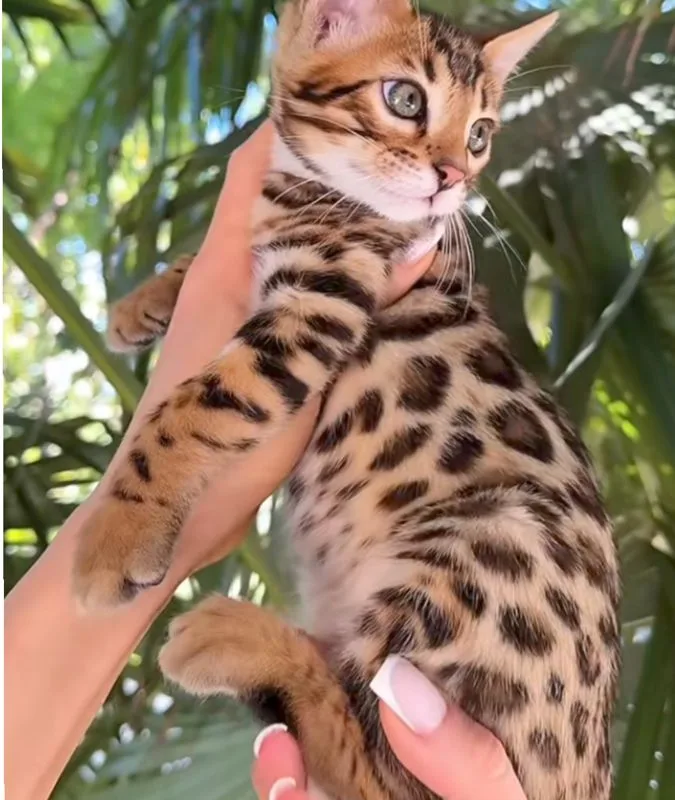
When I first brought home my chat léopard, I was enchanted by those striking spots and that wild gaze. But within a week, I realized this wasn't just a pretty face—it was a high-energy, intelligent companion with very specific needs. If you're considering one, or already share your life with one, these hard-won lessons will help you avoid my early mistakes and build a truly enriching bond.
Advertisements1
- Chat léopards need vertical space—cat trees and shelves are not optional but essential for their well-being.
- Interactive play that mimics hunting is crucial; aim for two 15-minute sessions daily to prevent boredom and destruction.
- Puzzle feeders and high-protein diets keep them mentally and physically healthy; free-feeding leads to obesity.
- These cats are escape artists—secure windows and cabinets, and consider a GPS collar for outdoor enclosures.
- Regular vet checkups and weekly health monitoring can catch breed-specific issues like HCM early.
- Bonding takes patience: let your cat come to you, use slow blinks, and respect their boundaries.
Understanding the Chat Léopard: More Than a Pretty Pattern
The term 'chat léopard' often refers to domestic cats with a leopard-like coat—such as Bengals, Savannahs, or Ocicats—but it can also describe the wild African leopard cat (Prionailurus bengalensis), which is not a domestic pet. In this guide, I focus on the domesticated breeds that carry that wild look. These cats typically have high energy, a love for climbing, and a need for mental stimulation. They're not lap cats by default; they're partners in adventure.
When I adopted my Bengal, Luna, I assumed she'd be like my previous tabby. Wrong. She learned to open cabinets in three days and would fetch like a dog. The key difference? These cats were bred from wild ancestors and retain strong instincts. They need an environment that mimics the complexity of the wild—vertical space, puzzle feeders, and interactive play. Without it, they become bored, destructive, or anxious.
Ask yourself: can you commit to at least two 15-minute play sessions daily? If not, a chat léopard might not be the right fit. But if you can, the reward is a deeply engaged, almost dog-like companion. Start by observing your cat's natural rhythms—when they're most active, what they stalk—and build your routine around that.
Setting Up a Leopard-Proof Home: Vertical Space and Beyond
In the wild, leopards spend much of their time in trees. Your chat léopard carries that arboreal urge. The single best investment I made was a floor-to-ceiling cat tree with multiple platforms. Luna spends hours surveying her kingdom from the top perch. Place it near a window so she can watch birds—it's cat TV. But don't stop there: add wall-mounted shelves, a catio (enclosed outdoor space), or even a simple bookshelf cleared for climbing.
Next, secure your home. These cats are escape artists. I learned this the hard way when Luna slipped out a window I thought was closed. Install sturdy screens, and consider a GPS collar if you have a catio. Also, hide cords and toxic plants (lilies, for example, are deadly). Use childproof latches on cabinets—yes, really.
Finally, create a 'safe zone'—a quiet room with a litter box, food, and a cozy bed where your cat can retreat when overwhelmed. This is especially important if you have other pets or children. Gradual introductions are key. When I brought home a second cat, I kept them separated for two weeks, swapping scents on towels before any face-to-face meeting.
Feeding the Wild Within: Diet and Puzzle Feeders
Chat léopards are prone to obesity if free-fed, and they get bored with a simple bowl. I made the mistake of leaving dry food out all day; Luna gained a pound in a month. Now, I feed her measured portions twice daily and use puzzle feeders for half her meals. This mimics the hunt and slows eating. Look for feeders that require pawing, rolling, or solving—like the 'Trixie Mad Scientist' or simple muffin-tin puzzles with tennis balls.
Protein matters. These breeds evolved from carnivores and thrive on high-protein, grain-free diets. I rotate between wet food (for hydration) and freeze-dried raw. Always transition slowly over 7-10 days to avoid tummy upset. And keep fresh water flowing—a fountain encourages drinking, which supports kidney health.
Mindfulness prompt: As you prepare your cat's meal, take a breath and notice the anticipation in their eyes. This small ritual connects you both. If you're unsure about portions, consult your vet; a typical 10-pound Bengal needs about 200-250 calories daily, but adjust based on activity.
Play That Satisfies: Interactive Games and Training
A bored chat léopard is a destructive one. I've lost two phone chargers and a curtain to Luna's boredom. The solution? Structured play that taps into her hunting sequence: stalk, chase, pounce, catch. Use a wand toy with feathers or a realistic mouse. Move it like prey—erratic, hiding, darting. Let her catch it at the end; otherwise, she feels frustrated.
Beyond play, these cats can learn tricks. Luna knows 'sit,' 'high five,' and 'fetch.' Use clicker training with tiny treats (freeze-dried chicken is a hit). Sessions should be 5 minutes, twice a day. This builds mental stamina and strengthens your bond. It also gives you a way to redirect energy when she's about to pounce on your ankles.
Try this: set a timer for 10 minutes and commit to full engagement—no phone. You'll be amazed at how your cat responds. If you have kids, teach them to use wand toys, not hands, to avoid scratching. And always end on a positive note with a treat or meal.
Health Watch: Common Issues in Leopard-Type Cats
Certain breeds, like Bengals, can be prone to progressive retinal atrophy (PRA) and hypertrophic cardiomyopathy (HCM). Savannahs may have sensitive digestion. Regular vet checkups—every 6-12 months—are non-negotiable. I learned to check Luna's gums weekly (they should be pink, not pale) and monitor her litter box habits. Any change in appetite, thirst, or litter box use warrants a call.
Parasite prevention is year-round, even for indoor cats. Fleas can hitchhike on your clothes. I use a vet-recommended topical. Also, dental health: brush your cat's teeth if you can, or use dental treats. Luna tolerates a finger brush with poultry-flavored toothpaste.
If you notice excessive grooming, hiding, or aggression, it could be stress or pain. Don't wait. A vet visit saved Luna from a urinary blockage—a common and deadly issue in males. Insure your cat if possible; emergency care can run $2,000 or more.
Building Trust: The Gentle Art of Bonding
Chat léopards are sensitive and can be shy with strangers. Forcing interaction backfires. Instead, let them come to you. I spent the first week sitting on the floor, reading aloud, tossing treats. By day 10, Luna was curling in my lap. Use slow blinks to say 'I'm safe.' If your cat blinks back, you've made a connection.
Respect their boundaries. If they walk away, let them. These cats value choice. Provide hiding spots and high perches so they can observe without pressure. Over time, they'll seek you out. My husband, initially skeptical, became Luna's favorite by simply ignoring her—she couldn't resist.
Mindfulness prompt: Next time your cat enters the room, pause and notice your own energy. Are you rushed? They sense it. Take a breath, soften your gaze, and offer a hand for them to sniff. Small, gradual changes build a lifetime of trust.
How to Do It, Step by Step
- 1Create vertical territory
Install a tall cat tree or wall shelves. Chat léopards need height to feel secure and exercise. Aim for at least one perch per cat, placed near a window. - 2Schedule interactive play
Commit to two 15-minute sessions daily using wand toys. Mimic prey movement and let them catch the toy to complete the hunt sequence. - 3Use puzzle feeders
Replace at least one meal with a puzzle feeder. This slows eating, prevents obesity, and provides mental stimulation. Start easy, then increase difficulty. - 4Secure windows and cabinets
Install sturdy screens and childproof latches. These cats can open things and escape. A GPS collar adds peace of mind if they slip out. - 5Train with clicker and treats
Teach basic cues like sit and high five in 5-minute sessions. Use a clicker and tiny high-value treats. This builds focus and bonds you. - 6Monitor health weekly
Check gums, weight, and litter box habits. Schedule vet visits every 6-12 months. Early detection of issues like HCM or urinary blockages saves lives. - 7Practice slow blinks
When your cat looks at you, blink slowly and look away. This signals trust. Repeat daily to build a calm, secure relationship.
A chat léopard isn't a decoration—they're a partner in a daily dance of instinct and trust; miss the steps, and you'll both stumble.
Frequently Asked Questions
Are chat léopard cats good with children?
Yes, with proper introduction and supervision, but they may not tolerate rough handling. Teach kids to use toys, not hands, and always allow the cat an escape route.
How much exercise does a chat léopard need?
At least 30 minutes of active play daily, split into two sessions. Without it, they can become destructive or anxious.
Do chat léopard cats like water?
Many do—especially Bengals. They may join you in the shower or play with faucets. Provide a pet fountain or shallow basin for fun.
What health problems are common in chat léopard breeds?
Bengals and Savannahs can be prone to HCM, PRA, and sensitive digestion. Regular vet checks and a high-protein diet help manage risks.
Can a chat léopard be an indoor-only cat?
Absolutely, if you provide enough vertical space, puzzle feeders, and interactive play. A catio is a great compromise for safe outdoor access.

Sofia writes about mindful living and personal wellness, exploring habits that nurture mental and physical health. She shares gentle, realistic suggestions for creating calm in a busy world.


