

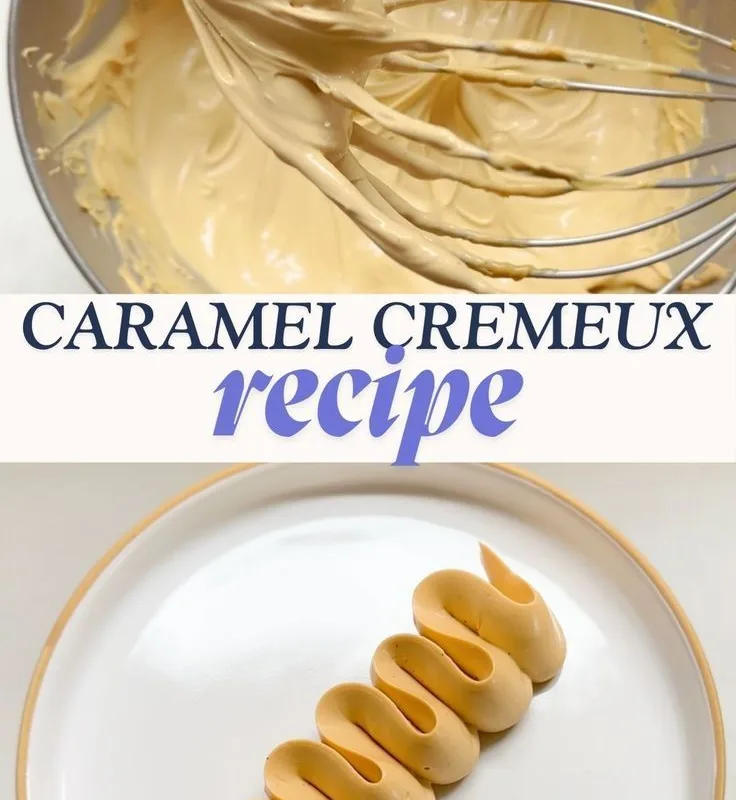
Most home cooks who try caramel cremeux end up with one of two failures: a grainy, split emulsion or a custard that sets so firm it eats like flan. The problem is rarely the recipe itself — it is the technique behind the recipe. Caramel cremeux sits at the intersection of caramel and crème anglaise, and small variables (when you add butter, how fast you whisk, what temperature you pull it at) decide whether you get silk or sludge.
Advertisements1
Here is the quick win before you read another word: make the caramel first, stop it with hot cream, then temper your yolks with a ladle of that hot mixture before combining. That single sequencing change fixes the majority of split cremeux attempts. If you master nothing else, master that order.
Below are fifteen recipes and reference sources worth working through, ordered from the most reliable starting point outward. Each one earns its place for a specific reason — a technique, a ratio, or a flavor direction you will not find elsewhere.
Table of Contents(Click to Toggle)
- Why Caramel Cremeux Is Worth Learning Properly
- 15 Caramel Cremeux Recipes and References
- 1. Serious Eats : The Technique-First Reference
- 2. David Lebovitz : The Paris-Tested Custard Base
- 3. King Arthur Baking : The Ratio-Driven Guide
- 4. Claire Saffitz (NYT Cooking) : The Precise-Method Version
- 5. ChefSteps : The Temperature-Controlled Approach
- 6. Bruno Albouze : The Pastry-Chef Presentation
- 7. Sally’s Baking Addiction : The Beginner-Safe Entry Point
- 8. BBC Good Food : The British Cream-Based Variant
- 9. Le Cordon Bleu : The Classical Foundation
- 10. Bon Appétit : The Salted-Caramel Angle
- 11. Fine Dining Lovers : The Plated-Dessert Context
- 12. Martha Stewart : The Reliable Home-Kitchen Version
- 13. The Flavor Bender : The Troubleshooting Deep Dive
- 14. Chocolate Academy : The Chocolate-Caramel Hybrid
- 15. Reddit r/AskCulinary : The Peer-Reviewed Reality Check
- Bonus Mentions
- What Separates Good Cremeux From Great
Why Caramel Cremeux Is Worth Learning Properly
Cremeux is a custard enriched with gelatin and butter, churned smooth and set soft. It is more forgiving than a true crème anglaise in texture but less forgiving in flavor — caramel is a sugar that keeps cooking after you think it has stopped, and bitterness arrives in seconds. That narrow window is why so many home attempts taste either flat or burnt.
The sources below are not all identical in approach. Some lean on gelatin for structure, some rely on egg yolks alone, some swap in white chocolate for body. Reading two or three side by side teaches you which variable does what — which is more valuable than any single recipe. Use the list as a comparison set, not a checklist.
15 Caramel Cremeux Recipes and References
1. Serious Eats : The Technique-First Reference
What it is: A food-science-driven publication with detailed custard and caramel explainers.
Category: Technique reference
Why it stands out:
- Explains why caramel crystallizes and how a wet-sand method prevents it
- Breaks down egg tempering with the actual temperature ranges involved
- Their caramel guides discuss the bitterness curve as sugar darkens past 170°C
Best for: Cooks who want to understand the mechanism before following steps.
2. David Lebovitz : The Paris-Tested Custard Base
What it is: A pastry-chef blog with years of French dessert documentation.
Category: Recipe blog
Why it stands out:
- His custard and caramel writing reflects professional kitchen habits, not shortcuts
- Clear guidance on straining custard through a fine-mesh sieve — a step most home recipes skip
- Notes on using a thermometer rather than visual cues
Best for: Anyone who wants a French-leaning, unfussy base to adapt.
3. King Arthur Baking : The Ratio-Driven Guide
What it is: A flour company’s baking resource with tested, weight-based formulas.
Category: Baking reference
Why it stands out:
- Ingredients listed in grams, which matters enormously for sugar and cream
- Their blog covers pastry cream and custard troubleshooting in plain language
- Comment sections often contain real fixes from other bakers
Best for: Scale users who want repeatable results.
4. Claire Saffitz (NYT Cooking) : The Precise-Method Version
What it is: A subscription recipe archive with rigorously tested dessert formulas.
Category: Recipe archive
Why it stands out:
- Step-by-step notes on when to stop the caramel with cream versus butter
- Video demonstrations of emulsion recovery if the mixture breaks
- Paywalled, but the free previews still show key technique
Best for: Cooks who follow video better than text.
5. ChefSteps : The Temperature-Controlled Approach
What it is: A modern culinary education platform built around precise equipment.
Category: Culinary education
Why it stands out:
- Explains sous-vide and induction caramel work with exact degree targets
- Their custard content addresses setting temperature and gelatin bloom
- Some content requires an account, but the free lessons are substantial
Best for: Cooks who own a thermometer and a scale and want to use them.
6. Bruno Albouze : The Pastry-Chef Presentation
What it is: A professional pastry chef’s video-driven recipe channel and site.
Category: Chef video recipes
Why it stands out:
- Shows plating and molding for entremet-style cremeux inserts
- Demonstrates the whisk rhythm that keeps custard from scrambling
- Recipes are long-form, so expect to watch before you cook
Best for: Cooks aiming at restaurant-style plated desserts.
7. Sally’s Baking Addiction : The Beginner-Safe Entry Point
What it is: A widely read home-baking blog with heavily tested recipes.
Category: Home baking blog
Why it stands out:
- Recipes are written for standard grocery ingredients
- Her caramel content includes the “do not stir” rule and why it works
- Photo sequences show each stage, which helps with color judgment
Best for: First-time caramel makers who need reassurance at each step.
8. BBC Good Food : The British Cream-Based Variant
What it is: A large UK recipe database with tested home formulas.
Category: Recipe database
Why it stands out:
- Their custard and caramel recipes use double cream, giving a richer set
- Metric measurements throughout, no conversion guesswork
- User ratings reveal which versions actually work at home
Best for: UK cooks or anyone working with higher-fat cream.
9. Le Cordon Bleu : The Classical Foundation
What it is: A culinary school’s official site with published technique resources.
Category: Culinary school
Why it stands out:
- Defines the classical custard family so you know what cremeux actually is
- Their pastry references clarify gelatin ratios versus yolk-only setting
- Academic in tone — dense, but authoritative
Best for: Cooks who want the textbook definition before improvising.
10. Bon Appétit : The Salted-Caramel Angle
What it is: A food magazine with a deep dessert recipe archive.
Category: Food magazine
Why it stands out:
- Strong coverage of salted caramel and how salt timing affects texture
- Their test kitchen notes explain why butter goes in last, off heat
- Recipes are written for American volume measurements unless noted
Best for: Cooks chasing a salted-caramel flavor profile.
11. Fine Dining Lovers : The Plated-Dessert Context
What it is: An editorial site covering professional restaurant cooking.
Category: Culinary editorial
Why it stands out:
- Shows how cremeux functions as a component inside plated desserts
- Interviews with pastry chefs reveal real kitchen ratios
- Less step-by-step, more conceptual — useful after you know the basics
Best for: Cooks building a multi-component dessert.
12. Martha Stewart : The Reliable Home-Kitchen Version
What it is: A long-running lifestyle and recipe publication.
Category: Recipe publication
Why it stands out:
- Recipes are written for standard home equipment and pans
- Clear doneness cues that do not assume a thermometer
- Their custard archive includes make-ahead and chilling guidance
Best for: Cooks without specialty tools who still want a dependable result.
13. The Flavor Bender : The Troubleshooting Deep Dive
What it is: A detailed dessert blog known for long-form technical posts.
Category: Technical dessert blog
Why it stands out:
- Explains split emulsions and how to rescue them with a warm base
- Covers gelatin bloom and how incorrect blooming ruins texture
- Posts are long; expect to scroll, but the detail is real
Best for: Cooks who already failed once and want to know why.
14. Chocolate Academy : The Chocolate-Caramel Hybrid
What it is: A professional chocolate education resource from a couverture maker.
Category: Professional pastry resource
Why it stands out:
- Explains how white or milk chocolate substitutes for part of the sugar body
- Technical notes on fat ratios and why they affect set
- Geared toward professionals, so the language is dense
Best for: Cooks experimenting with chocolate-caramel cremeux variants.
15. Reddit r/AskCulinary : The Peer-Reviewed Reality Check
What it is: A moderated cooking Q&A community with professional contributors.
Category: Community forum
Why it stands out:
- Real troubleshooting threads on seized caramel and grainy custard
- Working chefs sometimes answer with exact ratios
- Unmoderated advice mixed in — verify against a tested source
Best for: Diagnosing a specific failure you cannot name.
Bonus Mentions
America’s Test Kitchen : The Equipment-and-Method Tester
What it is: A test-kitchen publication that validates methods through repeated trials.
Category: Test kitchen
Why it stands out:
- Their caramel work documents which pans and sugars behave consistently
- Explains why stirring at the wrong moment causes crystallization
Best for: Cooks who want a method validated by repetition.
King Arthur Blog : The Free Technique Library
What it is: The free blog arm of the baking company.
Category: Baking blog
Why it stands out:
- Free custard and caramel troubleshooting without a subscription
- Comment threads contain tested fixes from other bakers
Best for: Budget-conscious cooks who still want tested guidance.
Epicurious : The Archive for Cross-Referencing
What it is: A long-standing recipe archive with professional contributors.
Category: Recipe archive
Why it stands out:
- Multiple cremeux and custard versions to compare side by side
- Ratings help separate the reliable from the untested
Best for: Comparing three approaches before committing to one.
YouTube Pastry Channels : The Visual Whisk Check
What it is: Video platform with professional pastry demonstrations.
Category: Video
Why it stands out:
- Seeing the color of caramel at each stage beats any written description
- Watching emulsion recovery happen in real time is genuinely instructive
Best for: Visual learners who need to see the color shift.
Serious Eats Caramel Archive : The Deep-Dive Reading List
What it is: The caramel-specific section of the science-driven food site.
Category: Technique reference
Why it stands out:
- Several long articles on sugar chemistry in one place
- Explains why different sugars brown at different rates
Best for: Cooks who want one afternoon of reading to replace ten failed attempts.
What Separates Good Cremeux From Great
After working through several of these sources, a pattern emerges. The recipes that fail at home usually fail for the same three reasons: the caramel was stopped too late, the yolks were added too fast, or the butter went in while the mixture was still hot enough to split. None of these are exotic problems. They are sequencing problems.
The most useful thing you can do is pick two sources from this list with different approaches — one gelatin-based, one yolk-based — and make both. Comparing them side by side teaches you what each ingredient is actually doing, which no single recipe can. That is the difference between following instructions and understanding them.
One last note: strain your custard. It takes thirty seconds and removes every stray curd. Most home recipes omit it, and it is the cheapest improvement available.
Which source on this list gave you the result you were actually after — and what did it change about how you cook caramel now?
Stay focused, stay light.

Kenji covers tech productivity and digital minimalism for remote workers. He writes about streamlining workflows and cutting digital clutter with a focus on mental clarity, not just efficiency.


