

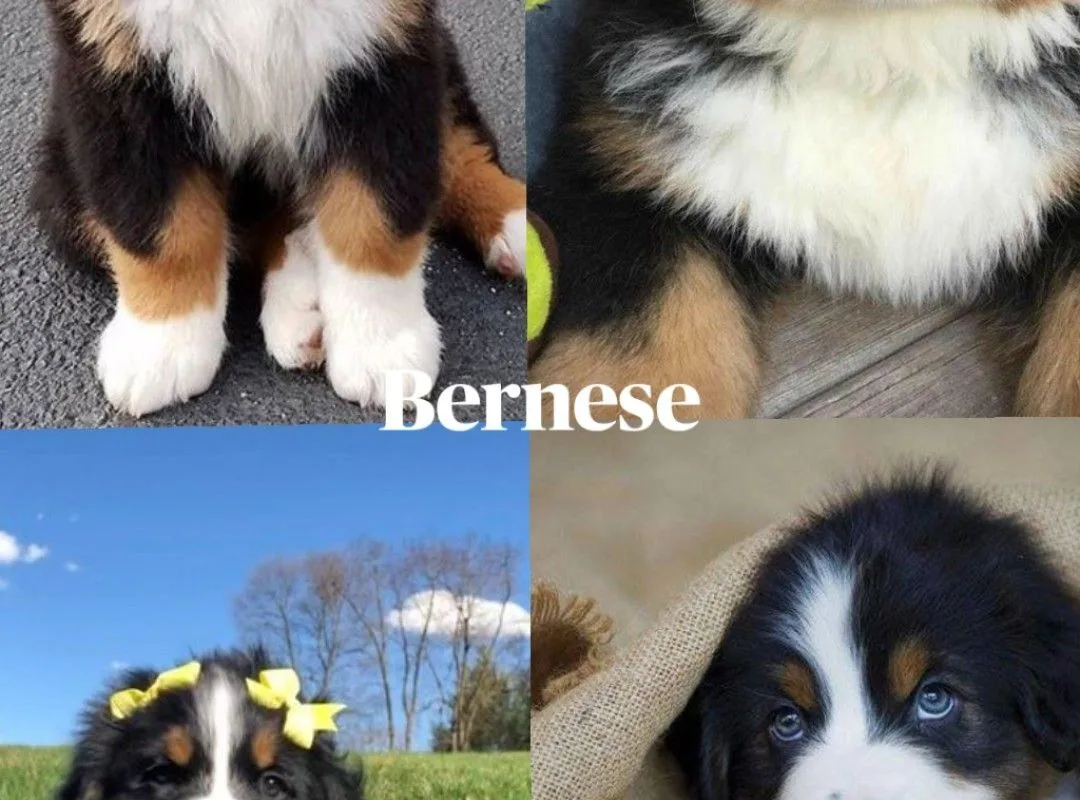
Imagine a 100-pound teddy bear with a heart of gold, but also a sensitive stomach and a need for constant companionship. Bernese Mountain Dogs are wonderful, but they come with specific challenges. Here are the tips you need to raise a thriving Berner.
Advertisements1
- Bernese Mountain Dogs are affectionate but require significant time and attention.
- Health issues like cancer and bloat are common; proactive care can extend their life.
- A tailored diet and regular exercise are crucial for their well-being.
- Early socialization and positive training build a well-mannered companion.
- Grooming is non-negotiable with their thick double coat.
Understanding the Bernese Mountain Dog: A Gentle Giant with Specific Needs
The Bernese Mountain Dog, or Berner, is a Swiss breed known for its striking tricolor coat and gentle temperament. They were originally farm dogs, pulling carts and guarding livestock. Today, they're beloved family pets, but their working heritage means they need a job to do. Without mental and physical stimulation, they can become destructive or depressed. A bored Berner might chew your favorite shoes or dig up your garden—not out of spite, but out of boredom. So, before you bring one home, commit to daily walks, play sessions, and training. Their loyalty is unmatched, but so is their need for your time.
Health and Wellness: Navigating Common Bernese Health Issues
Berners are prone to several health issues, including hip and elbow dysplasia, certain cancers, and bloat. According to the Bernese Mountain Dog Club of America, the breed has a median lifespan of just 7-8 years, largely due to cancer. This is heartbreaking but important to know. Regular vet checkups, a balanced diet, and keeping them lean can help mitigate some risks. For bloat, which is a life-threatening condition, feed smaller meals and avoid vigorous exercise right after eating. Also, consider pet insurance early; it can be a lifesaver when unexpected vet bills hit.
Nutrition and Diet: Fueling Your Berner for Vitality
A Bernese Mountain Dog's diet should be tailored to their age, size, and activity level. Puppies need large-breed-specific food to support controlled growth and prevent joint issues. Adults do well on a high-quality diet with moderate protein and fat. But here's the thing: Berners are notorious for food allergies and sensitivities. Common culprits include chicken, beef, and grains. If your Berner has itchy skin or digestive upset, try a limited ingredient diet or novel protein like salmon or venison. Always transition foods slowly over 7-10 days to avoid stomach upset. And watch those treats—they add up quickly!
Training and Socialization: Raising a Well-Mannered Giant
Berners are smart but can be stubborn. Positive reinforcement works best—they respond well to praise, treats, and play. Start training early; a 100-pound dog that jumps on guests is no joke. Socialize them to different people, dogs, and environments from a young age. Puppy classes are great, but continue exposing them to new experiences throughout their first year. Remember, Berners are sensitive; harsh corrections can damage your bond. Instead, be patient and consistent. They want to please you, but they need clear guidance.
Grooming: Managing That Magnificent Coat
That beautiful tricolor coat? It sheds. A lot. Berners blow their coat twice a year, and during those times, you'll find fur everywhere. Invest in a good undercoat rake and a slicker brush. Brush your Berner at least twice a week, daily during shedding season. Baths every 6-8 weeks are usually sufficient, but use a dog-specific shampoo to avoid skin irritation. Don't forget nails, ears, and teeth. Regular grooming isn't just about looks; it's a chance to check for lumps, bumps, or skin issues. Plus, it's great bonding time.
Exercise and Activity: Keeping Your Berner Fit and Happy
Despite their size, Berners don't need extreme exercise. A couple of moderate walks a day, plus playtime in a secure yard, is often enough. But they do love to hike, swim, and pull carts—activities that tap into their working roots. Avoid strenuous exercise in hot weather; their thick coat makes them prone to overheating. Early morning or evening walks are best in summer. Also, be careful with puppy exercise; too much high-impact activity can damage growing joints. Aim for 5 minutes of structured exercise per month of age, twice a day, until they're fully grown.
Creating a Safe and Comfortable Environment
Berners are indoor dogs; they want to be with their family. A fenced yard is ideal, but they should never be left outside alone for long periods. Inside, provide a sturdy crate for alone time and a comfortable orthopedic bed to support their joints. Keep floors clear of small objects they might swallow. And because they're prone to bloat, elevate their food bowl? Actually, recent studies suggest elevated bowls may increase bloat risk. So, keep bowls on the floor. Also, avoid raising their water bowl. Simple changes can make a big difference.
How to Do It, Step by Step
- 1Choose a Reputable Breeder
Find a breeder who does health clearances (hips, elbows, heart, eyes) and can show you the parents' certifications. This reduces the risk of inherited diseases. - 2Puppy-Proof Your Home
Secure trash cans, hide electrical cords, and remove toxic plants. Berner puppies are curious and chew everything. - 3Establish a Routine
Feed, walk, and train at the same times daily. Berners thrive on predictability and are less likely to develop anxiety. - 4Invest in Training Early
Enroll in puppy kindergarten and continue with obedience classes. A well-trained Berner is a joy; an untrained one is a liability. - 5Monitor Weight and Joint Health
Keep your Berner lean; extra weight stresses joints. Use a body condition score chart and adjust food accordingly. - 6Schedule Regular Vet Visits
Annual checkups are a must. Discuss cancer screening and preventive care with your vet. - 7Groom Regularly
Brush often to prevent mats and reduce shedding. Check ears weekly and trim nails monthly.
A Bernese Mountain Dog will give you their whole heart, but they ask for yours in return—every single day.
Frequently Asked Questions
Are Bernese Mountain Dogs good with children?
Yes, they are generally gentle and patient with kids, but their size means they can accidentally knock over small children. Supervision is always recommended.
How much exercise does a Bernese Mountain Dog need?
About 30-60 minutes of moderate exercise daily, such as walks or playtime. Avoid intense activity in hot weather.
What is the lifespan of a Bernese Mountain Dog?
Unfortunately, the average lifespan is 7-8 years, with cancer being a leading cause. Responsible breeding and regular vet care can help.
Do Bernese Mountain Dogs shed a lot?
Yes, they shed heavily, especially during seasonal coat blows. Regular brushing helps manage the fur.
Are Bernese Mountain Dogs easy to train?
They are intelligent but can be stubborn. Positive reinforcement and consistency are key to successful training.

Priya explores creative writing prompts and storytelling techniques for aspiring authors. She shares exercises to spark imagination and build narrative confidence, drawn from her own writing practice.


