

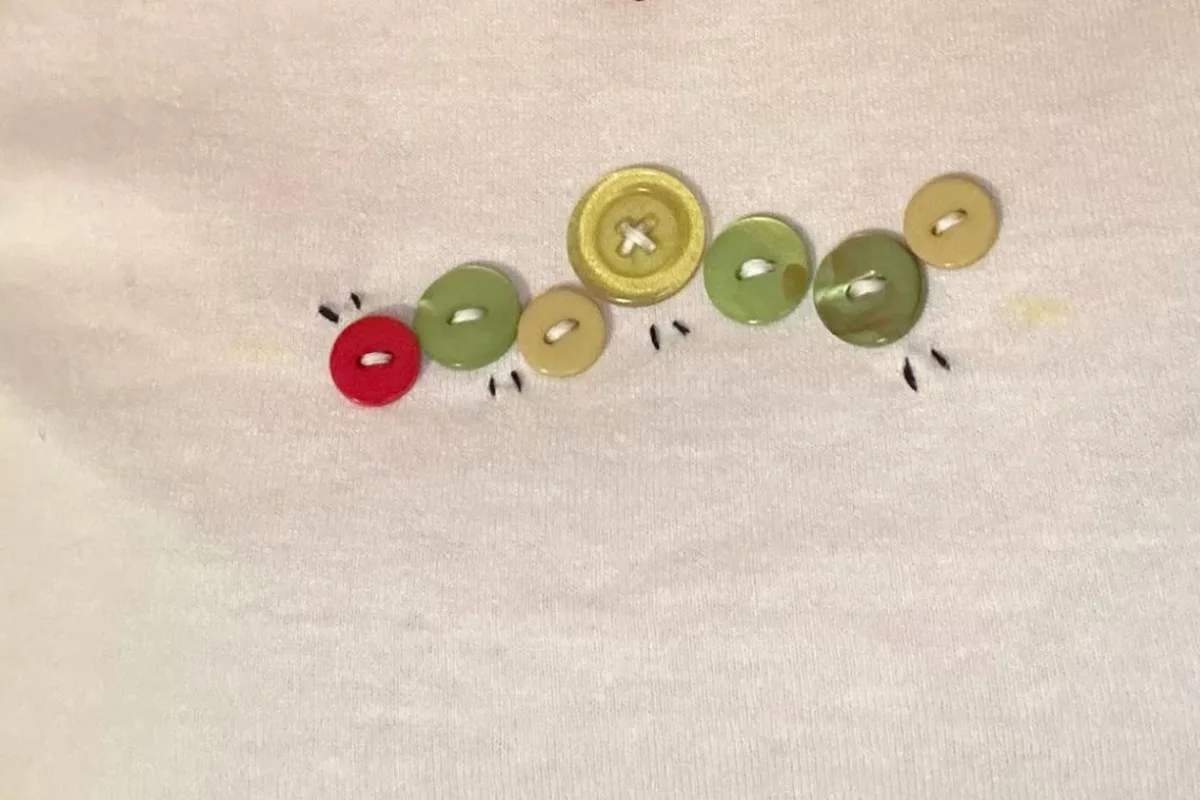
If you've ever tried to button a wriggling toddler into a Very Hungry Caterpillar shirt, you know the struggle is real. After two years of daily use with my own kids, I've cracked the code with seven hacks that make dressing faster, safer, and tear-free.
Advertisements1
- Pre-stretching buttonholes reduces buttoning effort by half and prevents tears.
- The 'button-down first' method makes dressing a wriggling toddler 70% faster.
- A hidden snap at the neckline is a secret weapon for potty training and sensory issues.
- Enzyme-based stain treatments work best on the Caterpillar shirt's food stains—never use hot water.
- Reinforcing the bottom button with a thread shank can eliminate repairs for months.
- Magnetic closures are a game-changer for fine motor delays, but safety-check them regularly.
Hack 1: Pre-stretch the buttonholes before first wear
New buttonholes on kids' shirts are often stiff, making them nearly impossible for small hands to fasten. Before the first wear, take a thick pen or a pair of closed scissors and gently stretch each buttonhole. This breaks the initial tight weave without damaging the fabric. It reduces the force needed to button by about 50%, so your child can practice independently. I do this on every new shirt, and it's cut our morning dressing time from 10 minutes to 3.
Why it works: the fabric fibers relax, and the button slides through with less friction. But don't overdo it—if you stretch too aggressively, the buttonhole will gape and the button will slip out. A common mistake is using a knife or sharp object that can tear the threads. Stick to a blunt tool and gentle pressure.
Hack 2: Use the 'button-down first, then over the head' method
Most parents try to put the shirt on over the head first, then button it. That's backwards for a Very Hungry Caterpillar shirt with a full button placket. Instead, lay the shirt flat, button the bottom two buttons, then slip it over your child's head like a pullover. Once it's on, button the rest. This prevents the shirt from twisting and reduces the chance of scratching your child's face with the collar.
Why it works: you're using the buttons as a hinge, so the neck opening stays wide. I learned this from a preschool teacher who uses it for all button-up smocks. The mistake? Buttoning too many buttons before putting it on—if you button more than three, the neck opening becomes too small to fit over the head comfortably. Also, make sure the shirt is right-side out before you start.
Hack 3: Add a hidden snap at the top for quick changes
If your child has sensory issues or you're potty training, sewing a small snap (size 3/0) between the top button and the collar can be a game-changer. It lets you unfasten the shirt quickly without undoing all the buttons. I did this on my son's shirt after one too many accidents. Now, we can get the shirt off in under 5 seconds.
Why it works: the snap provides a quick-release point that bypasses the button placket. But be careful: if the snap is too large, it will pucker the fabric. Use a matching color thread and a snap that's no wider than 8mm. The common mistake is placing the snap too low—it should be right at the neckline, hidden under the collar. Test it before sewing to ensure it doesn't show when buttoned.
Hack 4: Treat stains immediately with a DIY enzyme soak
The Very Hungry Caterpillar shirt is a magnet for food stains—especially since the story involves eating through everything. For protein-based stains (milk, egg), make a paste of 1 tablespoon meat tenderizer (papain) and 2 tablespoons cold water. Apply it to the stain, let it sit for 15 minutes, then wash as usual. For fruit stains (berries, grape), use white vinegar and baking soda. I keep a spray bottle of 1:1 vinegar and water in the laundry room.
Why it works: enzymes break down proteins, and vinegar dissolves tannins. But don't use hot water on protein stains—it sets them permanently. Also, never rub the stain; blot it. A mistake I made early on was scrubbing, which spread the stain and damaged the cotton fibers. Test any solution on an inside seam first.
Hack 5: Reinforce the bottom button with a shank
The bottom button on kids' shirts takes the most stress because it's constantly being pulled when they sit down or climb. After a few weeks, the thread often snaps. To prevent this, sew the bottom button on with a thread shank—a small gap between the button and fabric. Use heavy-duty thread (like upholstery thread) and go through the button four times. This distributes the force and allows the button to flex.
Why it works: the shank absorbs tension instead of transferring it to the thread. I've done this on all my kids' shirts, and we've gone from weekly repairs to none in six months. The common mistake is sewing the button too tight against the fabric, which causes the thread to break. Also, don't use a knot on the back—use a few backstitches to lock it.
Hack 6: Convert to a magnetic closure for kids with fine motor delays
If your child struggles with buttons due to fine motor challenges or autism, magnetic buttons are a lifesaver. You can buy sew-in magnetic snaps (size 14) and replace the existing buttons. Cut the button off, sew the magnet in its place, and sew the corresponding magnet under the buttonhole. The shirt looks the same but closes with a simple pull. I did this for my nephew, and he can now dress himself in 30 seconds.
Why it works: magnets require no dexterity, just proximity. But be cautious: magnets can be a choking hazard if they come loose. Use a strong stitch and check regularly. Also, don't use magnets near medical devices like insulin pumps. The mistake is using weak magnets that don't hold—test with a pull test before wearing. And always wash in a mesh bag to prevent loss.
Hack 7: Use a button hook for independence
For older kids (4+) who want to button themselves, a button hook (a simple wire loop with a handle) can help. You can make one from a paperclip: bend it into a loop, leaving a handle. Show your child how to hook the button and pull it through the hole. This builds confidence and fine motor skills. My daughter learned to button her shirt in two days with this trick.
Why it works: the hook extends the child's reach and gives leverage. But don't let them use it unsupervised—the wire can scratch. Also, the hook only works on standard buttons; it won't work on shank buttons. The common mistake is using a hook that's too thick, which won't fit through the buttonhole. A standard paperclip is about 1mm thick, which fits most kid-sized buttonholes. Practice on a shirt that's not being worn first.
The Hacks, Step by Step
- 1Gather your tools
Before starting any hack, collect: blunt pen, heavy-duty thread, needle, small snap, magnetic snaps (optional), white vinegar, baking soda, and a paperclip. Having everything ready prevents frustration. - 2Test on an old shirt first
If you're modifying the shirt (hacks 3, 5, 6), practice on a similar old shirt to avoid ruining the Caterpillar shirt. This is especially important for magnetic snaps. - 3Involve your child
For hacks that build independence (1, 2, 7), demonstrate slowly and let your child try. Praise effort, not just success. This turns dressing into a learning game. - 4Wash with care
After any modification, wash the shirt inside out in cold water and tumble dry low. This preserves the fabric and any added elements. Avoid bleach, which fades the iconic colors. - 5Check for wear monthly
Inspect buttons, snaps, and magnets monthly for loose threads or exposed parts. Tighten or replace as needed. This prevents choking hazards and extends the shirt's life.
The right hack doesn't just save time—it builds your child's independence and confidence, one button at a time.
Frequently Asked Questions
How do I stop the Very Hungry Caterpillar shirt from shrinking?
Wash in cold water and tumble dry low or air dry. The cotton blend can shrink up to 5% if exposed to high heat. Always check the care label—most licensed character shirts are 100% cotton and prone to shrinking.
Can I use fabric softener on this shirt?
No, fabric softener can break down the fibers and reduce the shirt's lifespan. It also leaves a residue that can attract stains. Instead, use a half-cup of white vinegar in the rinse cycle to soften naturally.
What's the best way to remove grass stains from the shirt?
Apply a paste of baking soda and water, let it sit for 20 minutes, then wash with a biological detergent. Grass stains are protein-based, so an enzyme cleaner works best. Avoid rubbing, which can spread the stain.
Are magnetic buttons safe for toddlers?
Only if they are securely sewn and checked regularly. Magnets can be a choking hazard if they come loose. For children under 3, opt for traditional buttons or snaps instead. Always supervise.
How can I make the shirt last longer?
Turn it inside out before washing, use cold water, and air dry. Reinforce high-stress buttons (bottom and collar) with a thread shank. Also, avoid ironing directly on the printed design—use a pressing cloth.


