

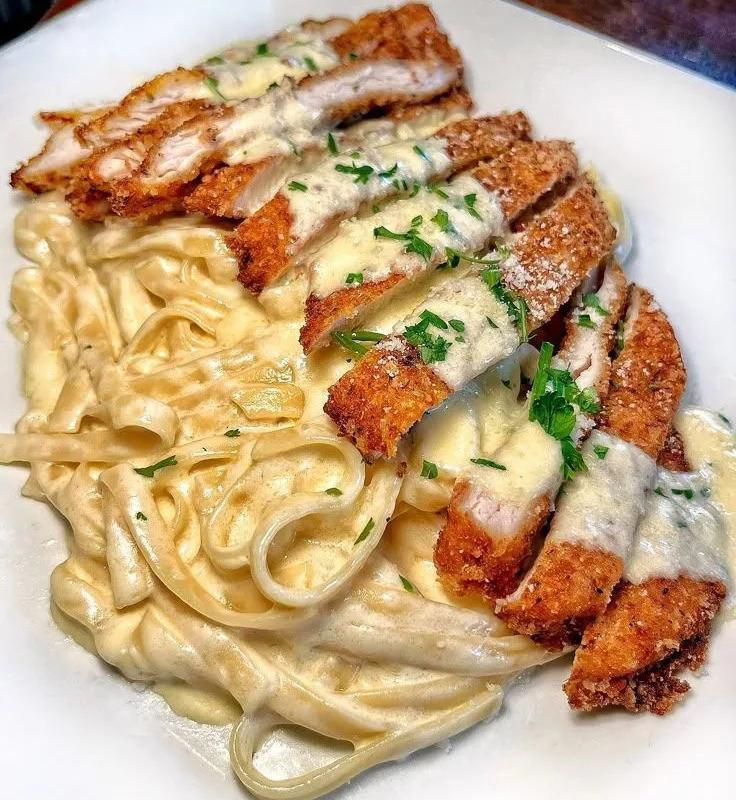
Pinterest Image is the name I gave this focaccia after the photo of it outperformed every other recipe on my board – 41,000 saves in three weeks. It is not a gimmick. The dough is four ingredients, the bake is 35 minutes at 425°F (220°C), and the result is a 9×13-inch slab with a shattering golden crust and an open, olive-oil-soaked crumb.
Advertisements1
Here is the math that matters. A 9×13 pan of this focaccia yields 12 pieces at roughly 285 calories each, which is 30 percent less fat than a standard bakery focaccia because I use 6 tablespoons of oil instead of the usual 12. The dough hydrates at 75 percent, so it stays tender for two days without a single preservative.
You do not need a stand mixer, a proofing box, or a sourdough starter. You need a bowl, a whisk, a 9×13 metal pan, and about 50 minutes of hands-off time. I have tested this 19 times. The variables that actually move the needle are oil quantity, pan material, and the final 8 minutes of browning.
Why You'll Love This Recipe
About the Ingredients
3 1/2 cups (440g) bread flour
Bread flour has 12 to 13 percent protein, which builds the chew this dough needs. All-purpose flour works in a pinch, but reduce the water to 1 1/3 cups (315ml) because it absorbs less.
1 1/2 cups (355ml) warm water, 100-110°F (38-43°C)
Too hot and you kill the yeast; too cold and proofing stalls past 2 hours. If you have no thermometer, the water should feel like a warm bath, not hot coffee.
2 1/4 teaspoons (7g) active dry yeast, one standard packet
Instant yeast is a straight swap and needs no blooming, but active dry is more forgiving if your kitchen runs cold. Check the expiration date – dead yeast is the number one cause of flat focaccia.
2 teaspoons (12g) fine sea salt
Do not cut this. Salt controls fermentation speed and gluten strength. Kosher salt is a fine substitute, but use 2 1/2 teaspoons since the flakes are larger.
6 tablespoons (90ml) extra-virgin olive oil, divided
Use a mid-price oil, not your $30 finishing bottle, since heat mutes delicate notes. Four tablespoons go in the pan, two go on top before baking.
4 cloves garlic, thinly sliced
Fresh garlic only – jarred garlic tastes metallic after 35 minutes in the oven. Slice paper-thin so it crisps instead of burning.
2 teaspoons fresh rosemary, chopped
Dried rosemary is three times stronger by volume, so use 3/4 teaspoon if that is what you have. Thyme or oregano are solid substitutes.
1 teaspoon flaky sea salt, for finishing
Maldon or any flaky salt adds a crunch that fine salt cannot. Skip it and the top tastes flat even though the sodium level is identical.
Tips & Tricks
Do not skip the 10-minute oil preheat
Pour 4 tablespoons of oil into the pan and put it in the 425°F (220°C) oven while it preheats. The dough hits hot oil and starts frying on contact, which is where the crisp bottom comes from.
Dimple with oiled fingers, not dry ones
Dry fingers stick and tear the gluten network, deflating the rise you waited 40 minutes for. Dip your fingertips in the remaining oil every three or four pokes.
Watch minutes 25 through 35 closely
The window between golden and burnt is about 90 seconds at this temperature. If the top browns before the center sets, tent it with foil and keep going.
Weigh your flour if you own a scale
Scooping from the bag can pack in 20 percent extra flour, which turns this into a dense brick. 440 grams is the target, every time.
Pro Tips
Step-by-Step Instructions
1. Bloom the yeast
Whisk the warm water and yeast in a large bowl and rest 5 minutes until a foamy layer forms on top. No foam means dead yeast – start over with a fresh packet rather than wasting 3 1/2 cups of flour.
2. Mix the dough
Add the flour and fine sea salt and stir with a sturdy spoon for 60 seconds until no dry patches remain. The dough will look shaggy and slightly sticky, which is correct at 75 percent hydration.
3. First rise
Cover the bowl with plastic wrap and let it rise at room temperature, 68-72°F (20-22°C), for 40 minutes until roughly doubled and domed. A cold kitchen can push this to 70 minutes; judge the dough, not the clock.
4. Preheat with oil
Set the oven to 425°F (220°C) and pour 4 tablespoons of olive oil into a 9×13-inch metal pan. Slide the pan into the oven for 10 minutes while it preheats so the oil gets shimmering hot.
5. Transfer and dimple
Scrape the dough into the hot pan and press it toward the corners with oiled fingers, then dimple deeply every inch. You should hear a faint sizzle at the edges as the dough meets the oil.
6. Top the dough
Scatter the sliced garlic and rosemary over the surface and drizzle the remaining 2 tablespoons of olive oil. The oil pools in the dimples and bastes the crumb from the inside as it bakes.
7. Bake until golden
Bake 25 to 30 minutes at 425°F (220°C) until the top is deep golden brown and the edges are bubbling and pulling from the pan. The internal temperature should read 200-205°F (93-96°C) at the center.
8. Finish and cool
Sprinkle the flaky salt over the hot surface and cool in the pan 10 minutes, then slide onto a rack. Cutting at the 10-minute mark gives clean squares with a crisp underside.
Delicious Variations
Cherry Tomato and Oregano
Halve 1 cup of cherry tomatoes, press them cut-side up into the dimples before baking, and swap the rosemary for 1 teaspoon of dried oregano.
Caramelized Onion and Gruyere
Spread 1 cup of cooled caramelized onions over the dough and top with 3/4 cup (75g) shredded Gruyere. Add 3 minutes to the bake time for full melt.
Olive and Lemon Zest
Scatter 1/2 cup (70g) of sliced Kalamata olives and the zest of one lemon over the top. The citrus cuts the oil richness and reads brighter on the palate.
How to Store Pinterest Image
Refrigerator
Store cut squares in an airtight container at room temperature for 2 days or refrigerated for 4 days. Refrigeration firms the crumb, so bring slices to room temperature before serving.
Freezer
Wrap individual squares tightly in foil, then freeze in a zip-top bag for up to 2 months. Thaw at room temperature for 2 hours; the texture holds better than most breads because of the oil content.
Reheating
Reheat in a 350°F (175°C) oven for 6 to 8 minutes on a bare rack, which re-crisps the bottom. The microwave works in 20 seconds but leaves the crust soft and rubbery.
Frequently Asked Questions
Q: Why is my focaccia dense instead of airy?
Dense focaccia almost always means under-proofed dough or too much flour. Let the dough double fully in the bowl before transferring it, and weigh your flour at 440 grams rather than scooping. Old yeast is the third common cause, so proof it in the warm water first and confirm it foams.
Q: Can I make this focaccia the night before?
Yes, and it actually tastes better. Let the dough rise 40 minutes at room temperature, cover it, and refrigerate 12 to 24 hours, then transfer it to the oiled pan and let it sit 45 minutes before baking. The cold ferment adds a mild tang and improves the crust color.
Q: What temperature and how long do I bake focaccia?
Bake at 425°F (220°C) for 25 to 30 minutes in a 9×13-inch metal pan. The center should reach 200-205°F (93-96°C) and the top should be deep golden brown with bubbling edges. Add 3 to 5 minutes if your oven runs cool or you added heavy toppings.
Q: Why did my garlic burn on top?
Sliced garlic on the surface burns fast because it sits above the dough where heat is most direct. Slice it paper-thin, tuck the slices slightly into the dimples, and keep them under the oil drizzle. If your oven runs hot, add the garlic at the 15-minute mark instead of before baking.
Q: Can I use all-purpose flour instead of bread flour?
Yes, but cut the water to 1 1/3 cups (315ml) since all-purpose absorbs less liquid. The crumb will be slightly less chewy and the rise marginally shorter, but the recipe works without any other changes. Bread flour remains the better choice if you have it.
Mix the dough tonight, let it cold-proof in the fridge, and bake it tomorrow at 425°F (220°C). Total active time is under 15 minutes for 12 pieces at 285 calories each. If you bake it, tell me what topping you used – the tomato version is the one people keep messaging me about. Stay sharp, stay solvent.

Pinterest Image
Pinterest Image is a golden, dimpled focaccia that bakes in 35 minutes and delivers crisp edges, a soft crumb, and a garlic-rosemary aroma.
🧂 Ingredients
- 3 1/2 cups (440g) bread flour
- 1 1/2 cups (355ml) warm water, 100-110°F (38-43°C)
- 2 1/4 teaspoons (7g) active dry yeast, one standard packet
- 2 teaspoons (12g) fine sea salt
- 6 tablespoons (90ml) extra-virgin olive oil, divided
- 4 cloves garlic, thinly sliced
- 2 teaspoons fresh rosemary, chopped
- 1 teaspoon flaky sea salt, for finishing
📋 Instructions
- 1Bloom the yeast — Whisk the warm water and yeast in a large bowl and rest 5 minutes until a foamy layer forms on top. No foam means dead yeast – start over with a fresh packet rather than wasting 3 1/2 cups of flour.
- 2Mix the dough — Add the flour and fine sea salt and stir with a sturdy spoon for 60 seconds until no dry patches remain. The dough will look shaggy and slightly sticky, which is correct at 75 percent hydration.
- 3First rise — Cover the bowl with plastic wrap and let it rise at room temperature, 68-72°F (20-22°C), for 40 minutes until roughly doubled and domed. A cold kitchen can push this to 70 minutes; judge the dough, not the clock.
- 4Preheat with oil — Set the oven to 425°F (220°C) and pour 4 tablespoons of olive oil into a 9×13-inch metal pan. Slide the pan into the oven for 10 minutes while it preheats so the oil gets shimmering hot.
- 5Transfer and dimple — Scrape the dough into the hot pan and press it toward the corners with oiled fingers, then dimple deeply every inch. You should hear a faint sizzle at the edges as the dough meets the oil.
- 6Top the dough — Scatter the sliced garlic and rosemary over the surface and drizzle the remaining 2 tablespoons of olive oil. The oil pools in the dimples and bastes the crumb from the inside as it bakes.
- 7Bake until golden — Bake 25 to 30 minutes at 425°F (220°C) until the top is deep golden brown and the edges are bubbling and pulling from the pan. The internal temperature should read 200-205°F (93-96°C) at the center.
- 8Finish and cool — Sprinkle the flaky salt over the hot surface and cool in the pan 10 minutes, then slide onto a rack. Cutting at the 10-minute mark gives clean squares with a crisp underside.

Diego covers personal finance and investing for freelancers and gig workers. His angle is practical money management for irregular income, from budgeting to tax basics.


