

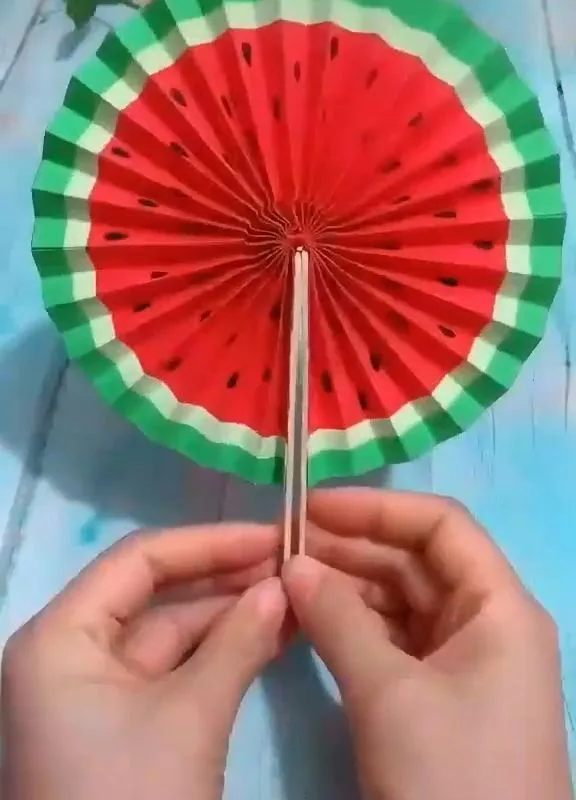
Paper craft is a conversation between your hands and the light. These seven hacks come from years of folding, cutting, and gluing in my own studio—each one will save you frustration and bring a little more poetry to your making.
Advertisements1
- Paper grain determines fold quality—always fold with the grain.
- A bone folder gives you crisp, professional creases.
- Scoring prevents cracks on thick papers.
- Sharp blades and cutting mats ensure clean cuts.
- Thin, even glue application prevents warping.
- Embrace small imperfections for a handmade feel.
Why Paper Grain Dictates Your Success
Every sheet of paper has a grain, the direction in which its fibers align during manufacturing. When you fold against the grain, the paper resists, cracks, and leaves a rough edge. Folding with the grain gives you a clean, crisp crease that feels almost like silk. To find the grain, gently bend a sheet in both directions; it will yield more easily along the grain. This is the first lesson I teach in my workshops—it changes everything.
The Bone Folder: Your Quietest Tool
A bone folder is not a nostalgic relic; it is the most precise tool in a paper crafter's kit. Running its smooth edge along a crease compresses the fibers, creating a sharp, permanent fold that resists springing back. I use a 6-inch bone folder for everything from greeting cards to intricate origami. The mistake is pressing too hard—let the tool's weight do the work, and you'll avoid tearing delicate papers.
Scoring: The Invisible Line Between Fold and Tear
Scoring is the act of creating a shallow groove along the fold line before folding. This breaks the surface fibers, allowing the paper to bend exactly where you intend. Use a scoring board or a blunt knife with a ruler; for most papers, a depth of about half the paper's thickness is ideal. I score all my cards and boxes—it's the difference between a professional finish and a crumpled edge.
The Magic of a Cutting Mat and a Sharp Blade
A self-healing cutting mat and a fresh, sharp blade are non-negotiable for clean cuts. A dull blade crushes the paper fibers, leaving a white, fuzzy edge that catches the light. I replace my blade after every four hours of cutting—it sounds wasteful, but the crispness of a sharp cut is worth it. Always cut away from your body, and apply even pressure for a smooth glide.
Glue: Less Is More, and Evenness Is Everything
The most common paper craft failure is warping caused by too much glue. When liquid glue soaks into paper, it expands unevenly and dries with a ripple. Use a glue stick for thin papers, and apply a thin, even layer—I often use a scrap piece to spread it out. For heavier papers, a glue pen with a fine tip gives you control. Remember, you can always add more, but you can't take it away.
Embrace the Imperfect: The Wabi-Sabi Edge
Not every fold needs to be sharp, and not every cut needs to be straight. In Japanese aesthetics, wabi-sabi celebrates the beauty of imperfection. When I make a misaligned cut, I sometimes let it be—it becomes a unique mark of the hand. This doesn't mean sloppiness; it means knowing when to stop forcing and let the paper breathe. Your craft will feel more human, more alive.
The Hacks, Step by Step
- 1Find the grain before you fold
Gently bend the paper in both directions; the easier direction is with the grain. Always fold along the grain for clean creases. - 2Use a bone folder for crisp folds
After folding, run the bone folder along the crease with light pressure to set a sharp, permanent fold. - 3Score before you fold thick paper
For cardstock or heavy paper, score the fold line with a blunt tool and ruler to prevent cracking. - 4Cut with a sharp blade on a mat
Always use a fresh blade and a cutting mat to get clean edges without fraying. - 5Apply glue thinly and evenly
Use a glue stick or fine-tip glue pen, and spread a thin layer to avoid warping. - 6Let glue dry under weight
Place your glued piece under a heavy book for 10 minutes to ensure a flat, strong bond. - 7Test your paper with a sample fold
Before a big project, fold a scrap piece to understand how the paper behaves.
Paper is a quiet collaborator—when you respect its grain and give it room to breathe, it rewards you with clean lines and gentle strength.
Frequently Asked Questions
How do I find the grain of paper?
Gently bend the paper in both directions—the direction that folds more easily is with the grain.
What is the best tool for scoring paper?
A bone folder or a scoring stylus with a ruler works best, creating a clean groove without cutting.
How can I prevent paper from warping when gluing?
Use a thin, even layer of glue and apply weight while drying to keep the paper flat.
Why does my paper crack when I fold it?
Cracking usually happens when folding against the grain or without scoring on thick paper.


