

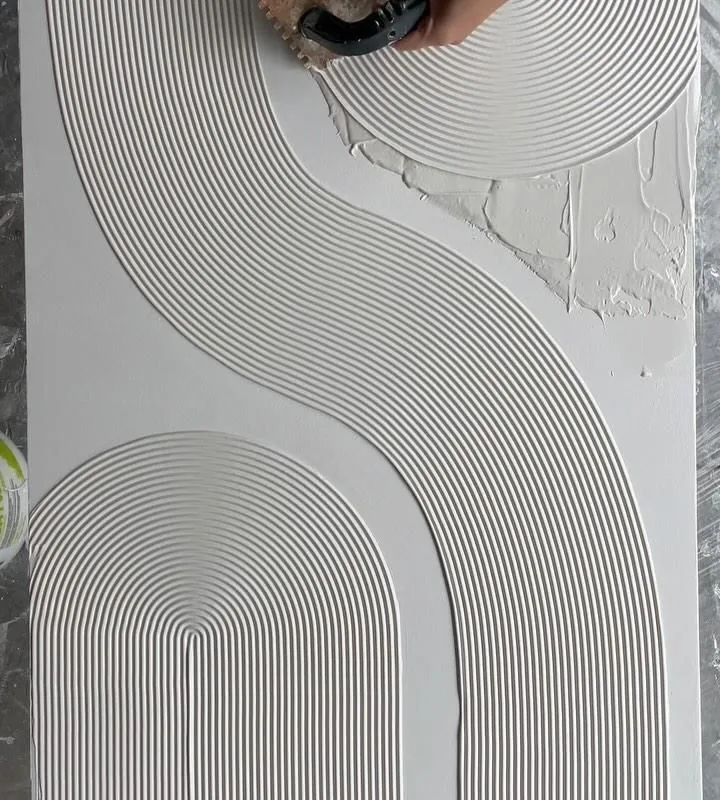
Organic harmony isn't a style you buy — it's a rhythm you build, one small adjustment at a time. Here are seven hacks I've tested in my own rooms, each with the reason it works and the mistake that quietly undoes it.
Advertisements1
- Light decides placement — map it for a full day before moving furniture.
- Three repeated textures create calm; a fourth should be soft and quiet.
- One deliberate unfinished detail reads as life; five read as neglect.
- Subtract one object a week rather than decluttering in a single heroic weekend.
- Keep the entryway container just too small so it stays honest.
Give Every Object a Home at the Door
The clutter that ruins a harmonious room rarely arrives dramatically — it drifts in through the front door and never leaves. I keep a shallow clay tray for keys, one hook for the bag, and a single basket for shoes. Everything that enters has a place within two steps of the threshold.
This works because friction is the enemy of order. If putting something away takes more than a moment, it won't happen, and the room slowly fills with orphans. The tray is small on purpose — it can only hold what belongs there.
The mistake is buying a large, beautiful basket that becomes a permanent hiding place for chaos. Keep the container just too small, and it will keep itself honest.
The Hacks, Step by Step
- 1Map the light for a full day
Sit in the room at morning, noon, and late afternoon and note where the sun actually lands. Place furniture and plants on that map rather than on instinct — it prevents the crowding that only shows up in daylight. - 2Pick three textures and repeat them
Choose linen, wood, and clay (or your own three) and let each appear at least twice in the room. Repetition is what makes a space feel composed instead of collected. - 3Leave one thing intentionally unfinished
Keep a half-sanded board, a trailing plant, or an open book as a single loose thread. One deliberate incompleteness gives the eye somewhere to rest. - 4Move green to eye level
Place a trailing plant on a high shelf or a fern at windowsill height. Green where you actually look does more for a room than green on the floor. - 5Remove one object every Sunday
Take out one thing a week and don't replace it. Twelve weeks in, the room shows its bones and what remains gets seen properly. - 6Test your palette in real light
Tape paint samples to the wall and live with them through a full day before committing. Artificial light flatters colours that turn cold by afternoon. - 7Build a two-step landing zone at the door
Set a small tray, one hook, and a shallow basket within two steps of the threshold. Keep the container just too small so it can't become a hiding place for chaos.
Organic harmony is mostly a matter of things sitting where they belong in the natural order of a space — and then having the patience to leave them there.
Frequently Asked Questions
What does organic harmony mean in home decor?
It means a room arranged in a natural order — light first, then texture, then restraint — so the space feels calm and alive rather than styled. In practice it comes down to repeated natural materials, living green at eye level, and space left deliberately empty.
How do I make my home feel more organic without buying new furniture?
Start by subtracting and rearranging rather than buying. Map the daylight, remove one object a week, and move existing plants to eye level — most rooms already hold everything they need.
How many textures should a calm room have?
Three repeated textures is the sweet spot. A fourth works only if it's soft and quiet, like a worn cotton throw; five or more competing surfaces make a room feel busy.
Why do my houseplants keep dying in a calm, minimal room?
Overwatering is almost always the cause, not neglect. Check soil knuckle-deep once a week instead of following a schedule, and match the plant to the light your window actually gets.
How do I stop clutter from ruining an organic-style room?
Give everything a home within two steps of the front door. A small tray, one hook, and a shallow basket work because they keep friction low and can't absorb excess.


