

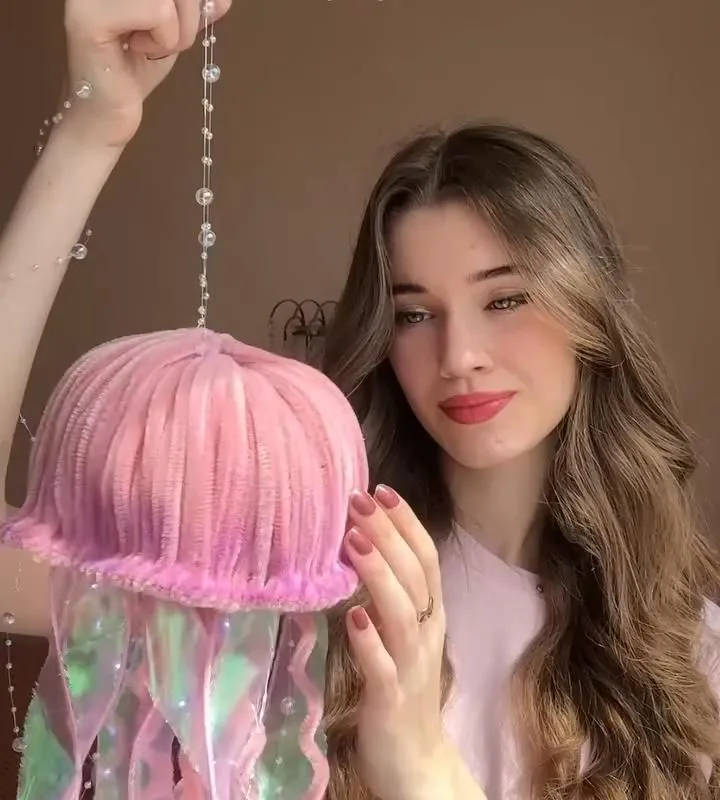
Ever wished you could keep a jellyfish without the hassle of a saltwater tank? These seven DIY hacks use everyday materials to create stunning, realistic faux jellyfish that float and glow. Let's dive in.
Advertisements1
- Plastic grocery bags make the easiest and most mobile faux jellyfish—perfect for a quick craft.
- Silicone caulk (100% aquarium-safe) creates the most realistic texture and movement.
- Add a submersible LED to any jellyfish for a glowing, bioluminescent effect.
- Always sand sharp edges on plastic or CD case jellyfish to avoid cuts.
- Less is more with beads and fishing line—keep it delicate for an ethereal look.
- Upcycle water bottles and loofahs for eco-friendly, budget-friendly jellyfish.
Hack 1: The Grocery Bag Jellyfish That Actually Moves
Remember those flimsy plastic grocery bags stuffed under your sink? They're about to become the most mesmerizing jellyfish you've ever seen. Here's why it works: plastic bags are incredibly lightweight and have a natural translucency that mimics a jellyfish's bell. When you cut the bag into a dome shape and add trailing tentacles, the material catches even the gentlest water current, creating that hypnotic pulse. I first tried this with a bag from my local bodega, and within minutes, my kids were convinced we had a pet jellyfish. The key is to cut the bag so the bottom (the sealed edge) becomes the top of the bell, giving you a built-in rounded shape. Then, snip the sides into thin strips for tentacles. Attach a small weight—like a glass bead or a few paperclips—to the center of the bell to keep it upright. Common mistake: using a heavy thread for tentacles; it sinks and makes the jellyfish look dead. Instead, use lightweight fishing line or even your own hair (yes, really) for a more natural drift.
Hack 2: Silicone Caulk Jellyfish for a Hyper-Realistic Look
If you want a jellyfish that looks like it swam straight out of the ocean, silicone caulk is your secret weapon. This hack uses 100% silicone sealant (the kind for aquariums) to create a translucent, rubbery bell that moves with incredible realism. Why does it work? Silicone mimics the texture and density of a jellyfish's mesoglea—the jelly-like substance between the inner and outer layers. When cured, it's flexible, slightly buoyant, and catches light beautifully. I made my first silicone jellyfish after a trip to the Monterey Bay Aquarium, and I was blown away by how closely it matched the moon jellies I'd seen. To start, squeeze a generous blob of silicone onto a non-stick surface like wax paper. Use a spatula to spread it into a dome shape, about 1/8 inch thick. Let it cure for 24 hours. Then, cut tentacles from the edges using scissors. Attach a small piece of fishing line to the top for hanging. Common mistake: using silicone that contains fungicides or other additives—they can cloud the water and harm fish if you put it in a tank. Always choose 100% silicone labeled for aquarium use.
Hack 3: The Shower Loofah Jellyfish That Glows
You know those mesh shower loofahs that get gross after a few weeks? Don't toss them—turn them into a glowing jellyfish! The netting is perfect for creating a bell with a soft, diffused glow when you add a submersible LED light. Why it works: the loofah's mesh structure mimics the delicate, almost ethereal quality of a jellyfish's bell, and the gaps allow light to shine through in a way that looks like bioluminescence. I discovered this by accident when I left a loofah in a bucket of water with a tea light—the effect was magical. To make one, cut the loofah into a dome shape, leaving the netting intact. For tentacles, cut thin strips from the edges. Attach a small submersible LED (the kind used for weddings) to the inside top of the bell with a dab of hot glue. Make sure the light is waterproof. Then, suspend the jellyfish in a clear container of water. The light will make the entire jellyfish glow, and the mesh will create a soft halo. Common mistake: using a light that's too bright or too large—it overwhelms the delicate look. Go for a small, warm-white LED.
Hack 4: The CD Case Jellyfish for a Futuristic Vibe
Got old CDs gathering dust? Their iridescent surface can create a jellyfish that looks like it's from another planet. This hack uses the clear plastic from a CD jewel case to make a rigid bell that reflects light in rainbow colors. Why it works: the plastic is thin, transparent, and has a prismatic effect that mimics the way some deep-sea jellyfish refract light. I made one for a sci-fi-themed party, and it was the star of the decorations. Start by separating the clear plastic from a CD case. Cut it into a circle, then use a heat gun (or a hairdryer on high) to gently soften the edges and curve them upward to form a bell. Be careful not to overheat—it can warp. For tentacles, cut thin strips from the leftover plastic and attach them with clear fishing line. Hang the jellyfish in front of a window or a light source, and watch it sparkle. Common mistake: cutting yourself on sharp edges—sand them down with fine sandpaper. Also, don't use a heat gun on high; it can melt the plastic into a blob.
Hack 5: The Balloon and Tissue Paper Jellyfish for a Soft, Organic Look
If you want a jellyfish that looks like it's made of clouds, try this balloon and tissue paper method. It's a classic craft technique that yields a surprisingly realistic, soft-bodied jellyfish. Why it works: the tissue paper layers create a translucent, papery bell that diffuses light and moves gently in water, while the balloon provides a perfect dome shape. I used this method to make a whole swarm for my daughter's mermaid birthday party, and they floated beautifully in a kiddie pool. Here's how: inflate a small water balloon to the size you want. Cover it with a layer of tissue paper and diluted white glue (50/50 water and glue). Add 3-4 layers, letting each dry slightly. Once completely dry, pop the balloon and remove it. You're left with a hollow bell. For tentacles, cut thin strips of tissue paper, twist them, and glue them to the inside rim. You can also add a few drops of food coloring to the glue for a tinted effect. Common mistake: not letting the layers dry completely before popping the balloon—it will collapse. Patience is key.
Hack 6: The Fishing Line and Bead Jellyfish for a Minimalist Decoration
Sometimes less is more. This minimalist jellyfish uses just fishing line and beads to create a delicate, almost invisible creature that seems to float on its own. Why it works: the transparency of the fishing line and the subtle weight of the beads create a sense of ethereal movement, like a jellyfish drifting in the deep. I first saw this at an art gallery and had to recreate it. To make one, cut a piece of fishing line about 12 inches long. Thread a small bead (glass or plastic) to the center and tie a knot to secure it. This will be the top of the bell. Then, cut several shorter pieces of fishing line and tie them around the bead to form tentacles. You can add more beads along the tentacles for a beaded look. Hang the jellyfish from a ceiling or in a window, and watch it spin and sway with the slightest breeze. Common mistake: using too many beads—it becomes clunky. Stick to a few for elegance.
Hack 7: The Upcycled Water Bottle Jellyfish for a Zero-Waste Project
Got a plastic water bottle? Turn it into a jellyfish that's both eco-friendly and eye-catching. This hack uses the bottle's curved plastic to create a bell with a built-in dome shape. Why it works: the bottle's plastic is already molded into a smooth curve, so you don't have to shape it yourself. Plus, it's durable and can withstand being submerged in water. I made one from a bottle I found on a beach clean-up, and it's still going strong. Cut off the top and bottom of the bottle, leaving a cylinder. Then, cut the cylinder into a dome shape by trimming the edges into a curve. Use a heat gun to soften the edges and curl them inward slightly. For tentacles, cut thin strips from the leftover plastic. Attach them with hot glue. You can also add a small weight inside the bell to keep it upright. Common mistake: not smoothing the cut edges—they can be sharp. Sand them down.
The Hacks, Step by Step
- 1Choose your material
Pick from plastic bags, silicone, loofah, CD case, balloon, fishing line, or water bottle based on desired realism and difficulty. Plastic bags are easiest; silicone gives the most realistic look. - 2Cut the bell shape
For most materials, cut a circle or dome. For plastic bags, fold and cut a half-circle on the fold. For bottles, cut a cylinder and shape into a dome. - 3Create tentacles
Cut thin strips from the edges of your material. For silicone, cut after curing. For tissue paper, twist strips. Aim for 8-12 tentacles for a natural look. - 4Attach a weight or light
Add a small bead, paperclip, or submersible LED to the center of the bell to keep it upright or make it glow. Use hot glue or fishing line to secure. - 5Assemble and test
Suspend in water or hang in air. Adjust tentacles and weight until the jellyfish floats or hangs naturally. Trim any excess. - 6Display and enjoy
Place in a clear container, window, or aquarium. For water displays, add a drop of food coloring for a blue ocean effect.
The secret to a realistic DIY jellyfish isn't expensive materials—it's understanding how water and light interact with simple plastics and silicones.
Frequently Asked Questions
What is the easiest DIY jellyfish to make?
The plastic grocery bag jellyfish is the easiest, requiring only a bag, scissors, and a weight. It takes about 5 minutes and moves realistically in water.
How do you make a DIY jellyfish look realistic?
Use translucent materials like silicone or plastic bags, add a small weight for balance, and keep tentacles thin and flexible. Lighting also enhances realism.
Can you make a glowing jellyfish?
Yes, by inserting a small submersible LED into the bell. Choose a warm white or blue light for a bioluminescent effect.
What materials are safe for an aquarium?
100% silicone (aquarium-safe), plastic bags (free of ink), and fishing line are safe. Avoid materials with fungicides or sharp edges.
How long does a DIY jellyfish last?
Plastic and silicone jellyfish can last for years if kept clean. Tissue paper ones may degrade in water; keep them dry for longer life.


