

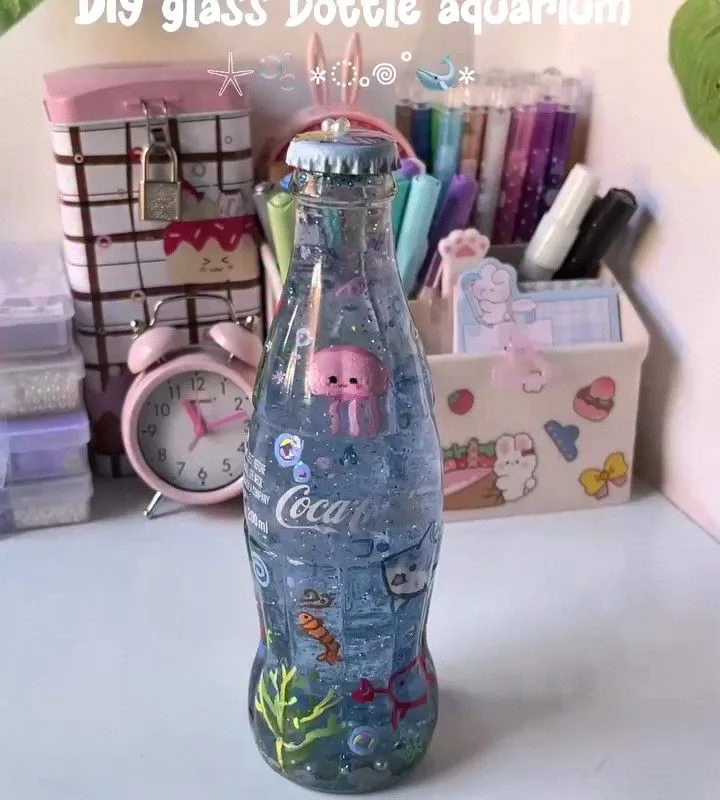
Imagine a tiny universe suspended in glass—where a shrimp drifts through filtered light and moss sways like seaweed in a gentle current. These seven hacks turn an ordinary bottle into a self-contained tide pool, and I'll show you how to keep it alive without a single filter.
Advertisements1
- Choose a wide-mouth bottle (2-3 liters) for easy access and stable water chemistry.
- Layer organic soil under gravel to feed plants without clouding water.
- Cycle the bottle for 4-6 weeks before adding any shrimp or snail.
- Keep only 3-5 shrimp or one betta in a 3-liter bottle to avoid overstocking.
- Provide indirect light for 2-3 hours daily to prevent algae blooms.
- Change 20% of water every two weeks and never use soap on the glass.
Choosing the Right Bottle: The Vessel Shapes the World
The bottle is your canvas, and its neck is the gatekeeper. I've built thriving mini-ecosystems in everything from a 5-liter demijohn to a 2-liter apothecary jar, but wide-mouth is non-negotiable—you need room for your hand to reach the bottom without disturbing the aquascape. A 3-liter glass bottle with a 5-centimeter opening is my sweet spot: enough volume for stable water chemistry, yet narrow enough to feel intimate.
Why it works: A wider mouth simplifies planting and cleaning, while a larger volume dilutes waste, giving beginners a forgiving buffer. The glass magnifies and refracts light, turning every bubble into a tiny prism—that's the poetry you'll see.
Mistake to avoid: Don't choose a bottle with a narrow neck, no matter how beautiful. You'll struggle to place substrate, and the first time you need to remove a dead leaf, you'll regret it—trust me, I've fished out rotting vegetation with tweezers for an hour.
Substrate Layering: Build a Living Floor
Think of the substrate as the soil of your underwater garden. I use a 2-centimeter base of organic potting soil (no fertilizers) capped with a 3-centimeter layer of fine gravel or sand. The soil feeds plant roots, while the cap prevents clouding. This mimics natural riverbeds where nutrients settle beneath a clean surface.
Why it works: The soil provides slow-release nutrients that sustain plants for months, and the cap keeps the water clear. In my first bottle, I skipped the cap and ended up with murky water for weeks—a lesson in patience.
Mistake to avoid: Avoid using soil with added chemicals or manure—they'll spike ammonia and kill your shrimp. Rinse gravel until water runs clear, or you'll introduce dust that never settles.
Aquascaping with Plants: Create Depth and Flow
Plants are the lungs of your aquarium, turning waste into oxygen. I choose hardy species like Java moss, Anubias nana, and dwarf hairgrass—they thrive in low light and need no CO2. Arrange them in layers: tall stems in the back (like rotala), mid-height ferns in the middle, and a foreground carpet of moss.
Why it works: This layering creates a sense of depth, making the bottle feel larger. Plants also outcompete algae for nutrients, keeping your glass clear—a natural balance I've relied on for years.
Mistake to avoid: Don't overplant—a crowded bottle becomes a tangled jungle. Leave open swimming space, and remember that plants grow; start with 70% coverage, then trim as they fill in.
The Nitrogen Cycle: Patience Before Life
Before adding any shrimp or snail, you must cycle the bottle—establish beneficial bacteria that convert toxic ammonia into nitrates. I run an air stone (hidden under the substrate) for 4-6 weeks, adding a pinch of fish food every few days to feed the bacteria. Test weekly with a liquid kit; you'll see ammonia spike, then nitrites, then nitrates—that's your signal.
Why it works: A cycled bottle is a stable ecosystem. Without it, your shrimp will die within days—I learned this the hard way when my first cherry shrimp perished overnight.
Mistake to avoid: Don't rush. If you add shrimp before ammonia and nitrite read zero, you're setting them up for failure. I once waited only two weeks and lost an entire colony; now I wait until nitrates appear, no exceptions.
Choosing Inhabitants: Small Lives, Big Personalities
For a bottle, less is more. I keep 3-5 cherry shrimp or a single betta in a 3-liter vessel—never more, because space is precious. Shrimp are delightful: they graze on algae, their tiny claws picking at leaves like they're savoring a meal. Snails, like nerites, are excellent janitors, but they can overpopulate.
Why it works: Small bioloads match the bottle's limited filtration capacity. Shrimp are also sensitive to water changes, so a stable environment is key. Watching them molt is oddly meditative—a reminder of renewal.
Mistake to avoid: Avoid fish in bottles under 5 liters—they need room to swim, and most fish are too active. A betta in a 3-liter is borderline; I use 5 liters minimum for a betta, and I add a tiny sponge filter for peace of mind.
Lighting and Location: The Play of Sun and Shade
Light is your aquascape's heartbeat. I place my bottle on a north-facing windowsill, receiving indirect sunlight for 2-3 hours in the morning—enough to make plants photosynthesize but not so much that algae blooms. If natural light is scarce, a small LED clip-on light (5-8 watts) on a 6-hour timer works wonders.
Why it works: Indirect light prevents overheating and algae growth. In my experience, too much direct sun turns the glass green within a week—a fuzzy mess I've scraped off more times than I count.
Mistake to avoid: Don't place the bottle in a south-facing window without shade; you'll cook the inhabitants and trigger an algae explosion. Use a curtain or move it a meter back from the sill.
Maintenance: The Art of Gentle Intervention
A closed ecosystem still needs care. I change 20% of the water every two weeks using a siphon—gently, to avoid disturbing the substrate. I wipe the glass inside with a soft sponge, never soap. And I prune plants every month, removing yellowing leaves to keep the balance.
Why it works: Regular water changes remove nitrates and replenish minerals. Pruning encourages new growth, keeping the aquascape tidy. These small rituals become a quiet meditation—I find myself checking my bottle each morning, coffee in hand.
Mistake to avoid: Don't overclean—you'll strip beneficial bacteria. And never use tap water without dechlorinator; chlorine kills shrimp instantly. I keep a bucket of aged water ready for changes.
The Hacks, Step by Step
- 1Choose a wide-mouth glass bottle (2-3 liters)
Select a bottle with an opening at least 5 cm wide so you can reach inside for planting and cleaning. A larger volume (3 liters) is more forgiving for beginners. - 2Rinse and sterilize the bottle
Wash with warm water and a bottle brush—no soap. Soak in a 10% bleach solution for 10 minutes, then rinse thoroughly until no bleach smell remains. This prevents harmful bacteria from harming your future inhabitants. - 3Layer the substrate
Add 2 cm of organic potting soil (no fertilizers) as the base, then cap with 3 cm of fine gravel or sand. Rinse the gravel first until water runs clear to avoid clouding. - 4Add hardscape and plants
Place a small piece of driftwood or a smooth stone for structure, then plant hardy species like Java moss, Anubias nana, and dwarf hairgrass. Arrange tall plants in back, short in front. - 5Fill with water slowly
Use a siphon or pour over a plastic bag to avoid disturbing the substrate. Use dechlorinated water (let tap water sit for 24 hours or use a conditioner). Fill to the neck, leaving an air gap. - 6Cycle the bottle for 4-6 weeks
Add a pinch of fish food every few days to feed beneficial bacteria. Test water weekly until ammonia and nitrite are zero, and nitrates are present. This establishes a stable ecosystem. - 7Introduce inhabitants gradually
Add 3-5 cherry shrimp or one snail. Acclimate them by floating the bag in the bottle for 15 minutes, then adding small amounts of bottle water to the bag over 30 minutes before releasing. - 8Maintain with gentle weekly care
Change 20% of the water every two weeks, wipe the glass inside with a soft sponge, and prune plants monthly. Monitor water parameters monthly to ensure stability.
A bottle aquarium is not just a hobby; it's a meditation on balance, where every water change is a breath of renewal.
Frequently Asked Questions
Can I keep a fish in a glass bottle aquarium?
Only if the bottle is at least 5 liters and you add a small sponge filter. In a 2-3 liter bottle, stick to shrimp or snails—fish need more space to swim and produce more waste.
How often should I change the water in a bottle aquarium?
Change 20% of the water every two weeks using a siphon. This removes nitrates and replenishes minerals without disrupting the ecosystem.
What plants are best for a closed bottle aquarium?
Hardy, low-light plants like Java moss, Anubias nana, and dwarf hairgrass thrive without CO2 or high light. They help maintain water quality by absorbing waste.
Why does my bottle aquarium have algae?
Algae grows due to too much direct light or excess nutrients. Move the bottle to indirect light and reduce feeding; you can also introduce a nerite snail to graze on algae.
Do I need a filter in a bottle aquarium?
No, if you keep a low bioload and cycle the bottle properly. Plants and beneficial bacteria handle waste; adding a small air stone can help oxygenation if you have many inhabitants.


