

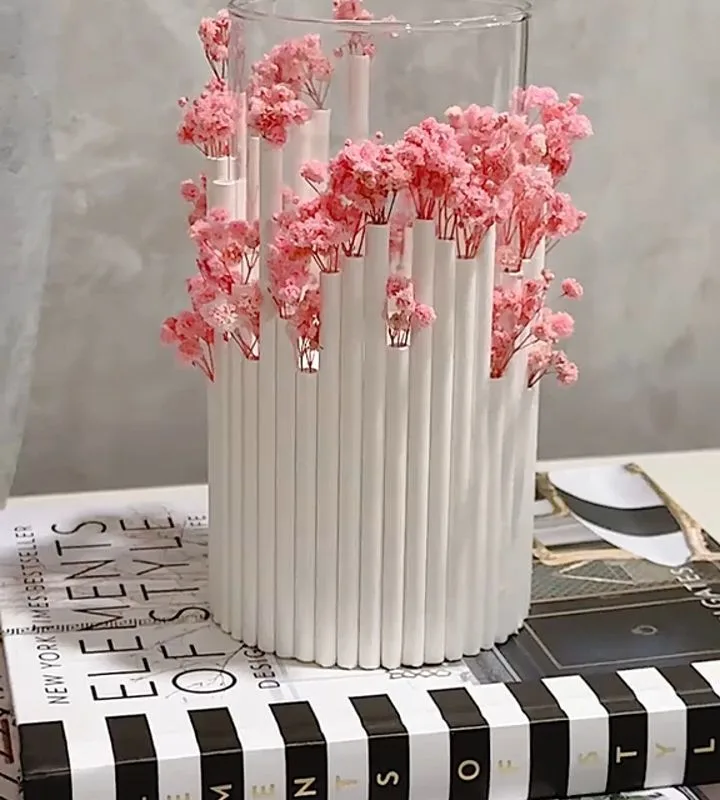
Got a dusty vase sulking in the corner? Let's give it a second act that's more plot twist than forgotten prop. These seven hacks turn forgotten glass into showstoppers—no special skills required, just a little daring.
Advertisements1
- Chalk paint + wax = instant vintage pottery look without primer.
- Terrariums in vases need layers: pebbles, charcoal, moss, soil—and minimal water.
- Mosaic adds texture; always wear safety goggles when breaking tiles.
- Rope wrapping is quick and rustic; keep tension tight for a polished finish.
- Dip-dye ombre works best with spray paint; hold can 10-12 inches away.
- Decoupage with fabric or paper requires thin layers of Mod Podge to avoid wrinkles.
- 3D embellishments like beads need strong adhesive like E6000, not hot glue.
The Magic of Chalk Paint and Wax
Chalk paint isn't just for furniture—it's a vase's best friend. Unlike regular acrylic, chalk paint adheres to glass without primer, and when sealed with wax, it creates a velvety, matte finish that looks like ancient pottery. I once transformed a $2 thrift store vase into a faux Roman artifact that had guests asking which museum it came from.
Start by cleaning the vase with rubbing alcohol to remove oils. Apply two thin coats of chalk paint in a color like 'Antique White' or 'Duck Egg Blue', letting each dry for 30 minutes. Then, use a wax brush to apply clear wax in circular motions, buffing after 10 minutes. The wax not only protects but adds a subtle sheen that deepens the color.
Common mistake: slathering on thick paint. Thin coats prevent drips and ensure a smooth, professional finish. Remember, patience is the secret ingredient.
Turn a Vase into a Terrarium
Why should fish tanks have all the fun? A clear glass vase makes a perfect terrarium for succulents or ferns. The enclosed environment creates a mini ecosystem, requiring little maintenance. I made one with a tall cylinder vase, layers of pebbles, activated charcoal, sphagnum moss, and potting mix—it thrived for months.
Choose small plants like miniature ferns, moss, or succulents. Add a layer of pebbles for drainage, then a thin layer of charcoal to prevent mold, followed by moss to keep soil from settling. Add potting mix, then plant your greenery. Mist with water, cover with a lid or plastic wrap, and place in indirect light.
Mistake to avoid: overwatering. Terrariums are self-contained; too much water leads to rot. If you see condensation, leave the lid off for a day.
Create a Mosaic Masterpiece
Break out the tile nippers—literally. Mosaic art on a vase is like piecing together a stained-glass window, but you're the artist. Use broken china, glass tiles, or even sea glass. I once used shattered plates from a flea market to cover a plain vase, and it became a conversation starter.
Spread tile adhesive on the vase in small sections. Press tiles into the adhesive, leaving 1/8-inch gaps. Let it dry for 24 hours, then grout with a sanded grout, wiping excess with a damp sponge. Seal with a tile sealer for durability.
Mistake: not wearing safety goggles when breaking tiles. Always protect your eyes and wrap tiles in a towel before hammering.
Upcycle with Rope or Twine
Wrapping a vase in rope or twine adds instant rustic charm. It's like giving your vase a cozy sweater. I used jute twine to cover a plain glass cylinder, and it became a centerpiece for a fall table. The texture contrasts beautifully with fresh flowers.
Start at the bottom, securing the end with hot glue. Wrap tightly, adding a dot of glue every few inches. For a striped effect, alternate colors or add a band of lace. Finish by gluing the end inside the rim.
Mistake: wrapping too loosely. Gaps ruin the look. Keep tension consistent, and use a dab of glue to anchor each row.
Dip-Dye Ombre Effect
Dip-dyeing creates a gradient that looks like a sunset. Use spray paint or dye—spray paint is easier for glass. I used a metallic gold spray to create an ombre on a bud vase, and it looked like a designer piece.
Tape off the area you want to keep clear. Spray in light coats from the bottom up, fading as you go. For a watercolor effect, use glass stain instead of spray paint. Let dry completely.
Mistake: spraying too close, causing drips. Hold the can 10-12 inches away and use sweeping motions.
Decoupage with Fabric or Paper
Decoupage is like scrapbooking on a 3D object. Use Mod Podge to adhere fabric scraps, book pages, or napkins. I covered a vase with vintage map pieces, and it became a travel-themed centerpiece.
Cut pieces into small shapes. Apply a layer of Mod Podge to the vase, press on the paper, then seal with another coat. Smooth out bubbles with your fingers. Let dry and cure for 24 hours.
Mistake: using too much glue, which wrinkles the paper. Use a foam brush for even coverage.
Add Dimension with 3D Embellishments
Glue on buttons, beads, or small shells to create a textured vase. It's like jewelry for your home. I used pearl beads to outline a vase's neck, and it looked like a million bucks.
Use strong adhesive like E6000. Plan your design first. Work in small sections to avoid glue drying. Let cure for 24 hours.
Mistake: using hot glue, which can pop off. E6000 is flexible and durable.
The Hacks, Step by Step
- 1Clean the vase thoroughly
Wash with warm soapy water and rinse with rubbing alcohol to remove all residue. This ensures paint and adhesive stick properly. - 2Choose your technique
Select from chalk paint, terrarium, mosaic, rope wrap, dip-dye, decoupage, or 3D embellishments based on your vase's shape and your style. - 3Gather materials
Get all supplies ready: paint, brushes, glue, tiles, etc. A well-stocked workspace prevents mid-project scrambles. - 4Work in a ventilated area
Open windows or work outside when using sprays or strong adhesives. Your lungs will thank you. - 5Apply in thin layers
Whether painting or gluing, thin layers dry faster and look smoother. Build up gradually. - 6Let it cure
Patience is key. Allow 24 hours for most finishes to fully set before using or displaying. - 7Seal for durability
Use a sealant like wax, Mod Podge, or tile sealer to protect your creation from moisture and wear.
Your old vase isn't a has-been; it's a canvas waiting for your boldest idea.
Frequently Asked Questions
What kind of paint works best on glass vases?
Chalk paint or acrylic enamel paint designed for glass works best because they adhere without primer. For a durable finish, seal with wax or a clear acrylic sealer.
Can I use a vase for a terrarium without drainage?
Yes, if you create a drainage layer with pebbles and activated charcoal. This prevents root rot by keeping excess water away from the soil.
How do I prevent my decoupage from wrinkling?
Apply thin, even coats of Mod Podge and smooth the paper with your fingers or a brayer. Avoid over-gluing, which causes paper to swell and wrinkle.
Is it safe to put real flowers in a painted vase?
Only if the paint is sealed and the inside is not painted. Water can cause paint to peel. Use a glass insert or paint only the exterior.
What's the easiest upcycle for a beginner?
Rope wrapping or dip-dyeing are the most beginner-friendly. They require minimal materials and no special skills.


