

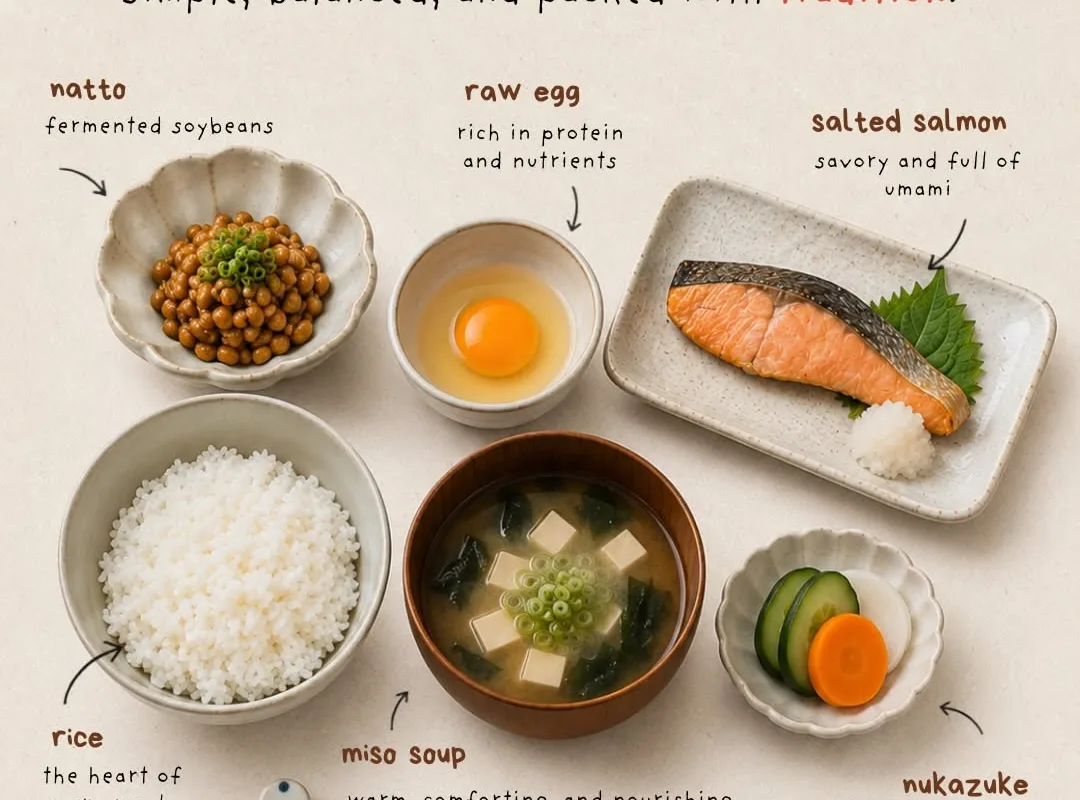
When I first started cooking Japanese food at home, I thought I needed a restaurant kitchen and years of training. Turns out I just needed a few good recipes and a bag of short-grain rice. This is my full-day plan: a warm breakfast, a portable lunch, and a crispy dinner that my family asks for every single week.
Advertisements1
Japanese home cooking is really about balance. You build flavor with dashi, miso, soy sauce, mirin, and rice vinegar, then let simple ingredients shine. Nothing here is fussy, and most of the shopping happens in one aisle of the grocery store.
I've written this so you can cook the whole day or just pick one meal. Start with the miso soup if you're new. Once you nail that, everything else feels easy. Small steps, big change.
Why You'll Love This Recipe
About the Ingredients
3 cups (600g) short-grain Japanese rice (plus 4 cups water for cooking)
Short-grain rice is what gives onigiri and rice bowls their sticky, clingy texture. If you can't find it, sushi rice works perfectly; avoid long-grain or basmati here.
8 cups (1.9L) water plus 2 (4-inch/10cm) pieces kombu
Kombu is dried kelp and the backbone of dashi. Look for thick, dark sheets with a white powdery bloom, which is natural umami; skip any sheets that look moldy or smell sour.
1 cup (10g) loosely packed katsuobushi (bonito flakes)
These paper-thin smoked tuna flakes make instant dashi. In a pinch, use 2 teaspoons of dashi powder in 8 cups water, though the flavor is a little sharper.
1/3 cup (80g) red or white miso paste
Red miso is deeper and saltier, white miso is sweeter and milder. Mix them half and half if you want a balanced, everyday soup.
4 (6oz/170g each) boneless skinless chicken thighs
Thighs stay juicy through frying; if you only have breasts, pound them to an even 1/2-inch (1.3cm) thickness so they cook evenly.
1 cup (125g) all-purpose flour, 2 large eggs beaten, and 2 cups (120g) panko breadcrumbs
Panko is coarser than regular breadcrumbs and fries up shatteringly crisp. Crush them slightly in a bag if you want an even crunchier crust.
1/2 small green cabbage (about 1lb/450g), very thinly sliced
A mandoline makes quick work of this. Bagged coleslaw mix is a fine shortcut when you're short on time.
1/2 cup (120ml) tonkatsu sauce, plus soy sauce, mirin, and rice vinegar to taste
Tonkatsu sauce is a sweet-savory fruit-and-spice condiment. No bottle? Stir together 3 tablespoons ketchup, 2 tablespoons Worcestershire, and 1 tablespoon oyster sauce.
4 large eggs and 2 sheets nori (seaweed), cut into strips
For the tamagoyaki-style omelet and to wrap the onigiri. Furikake rice seasoning is a great swap if you don't have nori.
2 scallions, 1 cucumber, and 1 avocado, sliced
Fresh crunch and creaminess for the rice bowls. English cucumber has thinner skin and fewer seeds, so no peeling needed.
Tips & Tricks
Rinse Your Rice Until Clear
Starch makes gluey rice, so rinse 3 to 4 times until the water runs almost clear before cooking.
Don't Boil the Dashi
Kombu and bonito turn bitter and slimy above a simmer. Pull the pot off the heat the moment tiny bubbles ring the edge.
Salt Your Hands for Onigiri
Wet hands with water, then rub on a pinch of salt so the rice doesn't stick and every ball is seasoned.
Fry at a Steady 350F (175C)
Too hot and the panko burns before the chicken cooks; too cool and it turns greasy and pale.
Pro Tips
Step-by-Step Instructions
1. Cook the Rice
Rinse the rice until the water runs nearly clear, then cook it with 4 cups water in a rice cooker or covered pot for 18 minutes. Let it rest 10 minutes off the heat, then fluff gently with a paddle.
2. Make the Dashi
Put the kombu and 8 cups water in a pot and heat over medium until tiny bubbles form at 160F (71C), about 8 minutes. Remove the kombu, add the bonito flakes, and turn off the heat. Steep 5 minutes, then strain.
3. Simmer the Miso Soup
Bring 6 cups of the dashi to a gentle simmer, then whisk in the miso paste in a small bowl with a ladle of hot dashi first. Add cubed tofu and scallions, and warm through 2 minutes without boiling.
4. Fold the Omelet
Beat 4 eggs with a pinch of salt and 1 teaspoon mirin. Pour into a lightly oiled nonstick pan over medium-low heat at 300F (150C) and cook 2 minutes until just set. Roll it up and slice into ribbons.
5. Shape the Onigiri
While the rice is warm, wet and salt your hands, then press about 1/2 cup rice into a triangle around a small filling of flaked salmon or pickled plum. Wrap each one with a nori strip and set aside.
6. Bread the Chicken
Set up three plates with flour, beaten eggs, and panko. Season the chicken with salt and pepper, then coat each thigh in flour, then egg, then press firmly into panko so the crumbs stick.
7. Fry Until Golden
Heat 1 inch (2.5cm) of oil in a deep skillet to 350F (175C). Fry the chicken 4 to 5 minutes per side until deep golden brown and the internal temperature reads 165F (74C). Drain on a rack, not paper towels.
8. Build the Bowls
Slice the katsu into 1/2-inch (1.3cm) strips and serve over rice with shredded cabbage, cucumber, avocado, and a drizzle of tonkatsu sauce. Serve the soup and onigiri alongside.
Delicious Variations
Salmon Teriyaki Swap
Replace the katsu with pan-seared salmon glazed in soy, mirin, and sugar for a lighter dinner.
Vegetarian Day
Use kombu-shitake dashi, skip the chicken, and fry thick slices of tofu or eggplant katsu instead.
Spicy Miso Kick
Stir 1 teaspoon chili paste or gochujang into the miso soup and drizzle spicy mayo over the rice bowls.
How to Store Classic Japanese Recipes — A Full Day of Japanese Meals: Breakfast, Lunch & Dinner
Refrigerator
Store rice, soup, and katsu in separate airtight containers for up to 3 days. Keep panko-crusted chicken uncovered on a plate so the crust stays crisp.
Freezer
Freeze cooked katsu in a single layer, then wrap tightly, for up to 2 months. Onigiri freeze beautifully wrapped in plastic for up to 1 month; thaw at room temperature.
Reheating
Reheat katsu in a 375F (190C) oven for 8 minutes to re-crisp. Warm soup gently on the stove over low heat, and never boil it after the miso goes in.
Frequently Asked Questions
Q: What is the difference between miso soup and dashi?
Dashi is the savory stock made from kombu and bonito flakes, while miso soup is dashi with miso paste stirred in. Think of dashi as the base and miso as the seasoning that makes it soup. You can sip dashi alone, but it tastes thin without the miso.
Q: Can I make onigiri without a mold?
Yes, your hands are the best mold. Wet them, salt them lightly, and press the rice into a triangle with your palms, rotating and squeezing gently about 10 times. A small bowl lined with plastic wrap works too if you want cleaner edges.
Q: Why did my chicken katsu turn out soggy?
The oil was likely below 350F (175C), so the panko absorbed oil instead of crisping. Use a thermometer, fry in small batches, and rest the katsu on a wire rack so steam escapes underneath. Day-old rice and dry chicken surfaces also help the coating stick.
Q: Is Japanese rice different from regular rice?
Yes, Japanese short-grain rice is stickier and slightly sweeter than long-grain rice. That clinginess is exactly what holds onigiri together and makes rice bowls feel satisfying. If you only have jasmine or basmati, the recipes still work but the texture will be looser.
Q: How long does homemade dashi last in the fridge?
Homemade dashi keeps about 3 days in a sealed container in the refrigerator. For longer storage, freeze it in ice cube trays and drop the cubes straight into soups or noodle broths. Always smell it before using; fresh dashi is clean and ocean-scented, never sour.
Pick one meal from this day and cook it this week, even if it's just the miso soup. Then tell me which dish surprised you most. Small steps, big change.

Classic Japanese Recipes — A Full Day of Japanese Meals: Breakfast, Lunch & Dinner
Classic Japanese recipes for a full day of meals: miso soup, onigiri, chicken katsu and more. Easy, authentic flavors you can make at home tonight.
🧂 Ingredients
- 3 cups (600g) short-grain Japanese rice (plus 4 cups water for cooking)
- 8 cups (1.9L) water plus 2 (4-inch/10cm) pieces kombu
- 1 cup (10g) loosely packed katsuobushi (bonito flakes)
- 1/3 cup (80g) red or white miso paste
- 4 (6oz/170g each) boneless skinless chicken thighs
- 1 cup (125g) all-purpose flour, 2 large eggs beaten, and 2 cups (120g) panko breadcrumbs
- 1/2 small green cabbage (about 1lb/450g), very thinly sliced
- 1/2 cup (120ml) tonkatsu sauce, plus soy sauce, mirin, and rice vinegar to taste
- 4 large eggs and 2 sheets nori (seaweed), cut into strips
- 2 scallions, 1 cucumber, and 1 avocado, sliced
📋 Instructions
- 1Cook the Rice — Rinse the rice until the water runs nearly clear, then cook it with 4 cups water in a rice cooker or covered pot for 18 minutes. Let it rest 10 minutes off the heat, then fluff gently with a paddle.
- 2Make the Dashi — Put the kombu and 8 cups water in a pot and heat over medium until tiny bubbles form at 160F (71C), about 8 minutes. Remove the kombu, add the bonito flakes, and turn off the heat. Steep 5 minutes, then strain.
- 3Simmer the Miso Soup — Bring 6 cups of the dashi to a gentle simmer, then whisk in the miso paste in a small bowl with a ladle of hot dashi first. Add cubed tofu and scallions, and warm through 2 minutes without boiling.
- 4Fold the Omelet — Beat 4 eggs with a pinch of salt and 1 teaspoon mirin. Pour into a lightly oiled nonstick pan over medium-low heat at 300F (150C) and cook 2 minutes until just set. Roll it up and slice into ribbons.
- 5Shape the Onigiri — While the rice is warm, wet and salt your hands, then press about 1/2 cup rice into a triangle around a small filling of flaked salmon or pickled plum. Wrap each one with a nori strip and set aside.
- 6Bread the Chicken — Set up three plates with flour, beaten eggs, and panko. Season the chicken with salt and pepper, then coat each thigh in flour, then egg, then press firmly into panko so the crumbs stick.
- 7Fry Until Golden — Heat 1 inch (2.5cm) of oil in a deep skillet to 350F (175C). Fry the chicken 4 to 5 minutes per side until deep golden brown and the internal temperature reads 165F (74C). Drain on a rack, not paper towels.
- 8Build the Bowls — Slice the katsu into 1/2-inch (1.3cm) strips and serve over rice with shredded cabbage, cucumber, avocado, and a drizzle of tonkatsu sauce. Serve the soup and onigiri alongside.

Maya writes about sustainable living and zero-waste practices, focusing on small, actionable changes for everyday routines. She draws from her own experiments in urban gardening and DIY household swaps.


